Lab-Grown Diamonds: A Complete Guide to the Fast-Growing Jewelry Industry
In recent years, lab-grown diamonds have become an increasingly hot topic. Many people may wonder: What exactly are lab-grown diamonds? How has the industry developed in recent years? Which technology is better—HPHT or CVD? This article answers all these questions in detail.
What Are Lab-Grown Diamonds?
Lab-grown diamonds are real diamonds created in a laboratory. By simulating the natural environment where diamonds form, non-diamond carbon is converted into diamond-structured carbon.
The market divides diamonds into two categories: real diamonds and simulants. Both natural diamonds and lab-grown diamonds are real diamonds with a pure carbon structure. Simulants include moissanite (silicon carbide) and cubic zirconia (cubic zirconia).
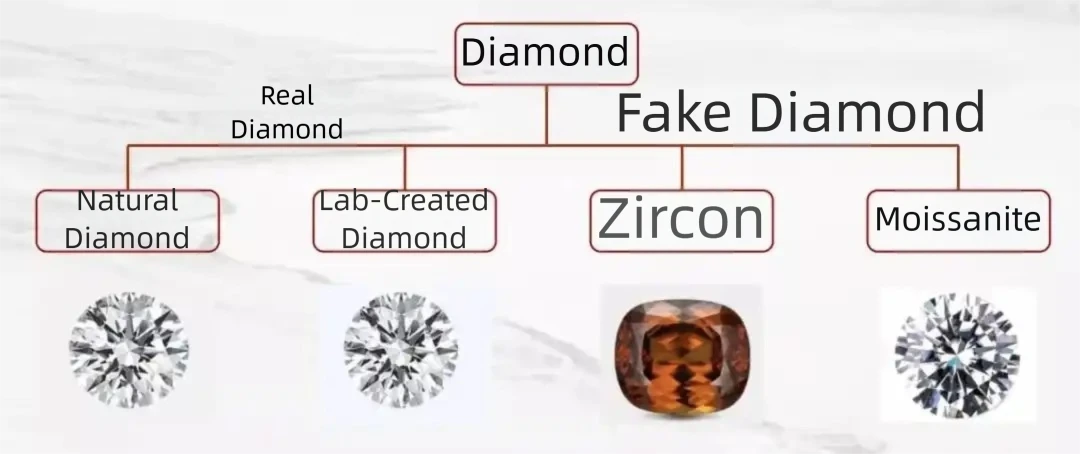
A Comparison of Lab-Grown Diamonds and Natural Diamonds
Lab-grown diamonds share identical physical, chemical, and optical properties with natural diamonds. They can only be distinguished by professional instruments.
Natural diamonds form over billions of years, 160 kilometers below the Earth’s surface. Lab-grown diamonds are produced in weeks using advanced technology, with the same density, refractive index, dispersion, hardness, and thermal conductivity as natural diamonds.
Lab-grown diamonds are created by simulating the natural environment in which diamonds form. Using HPHT or CVD technology, gem-quality lab-grown diamonds can be produced in just a few weeks.
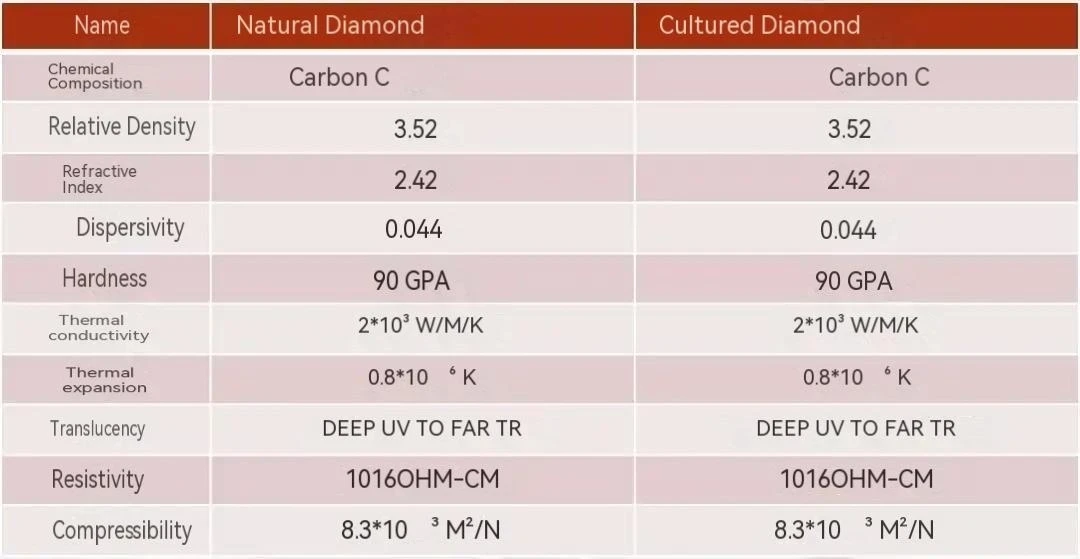
The Two Main Production Processes for Lab-Grown Diamonds
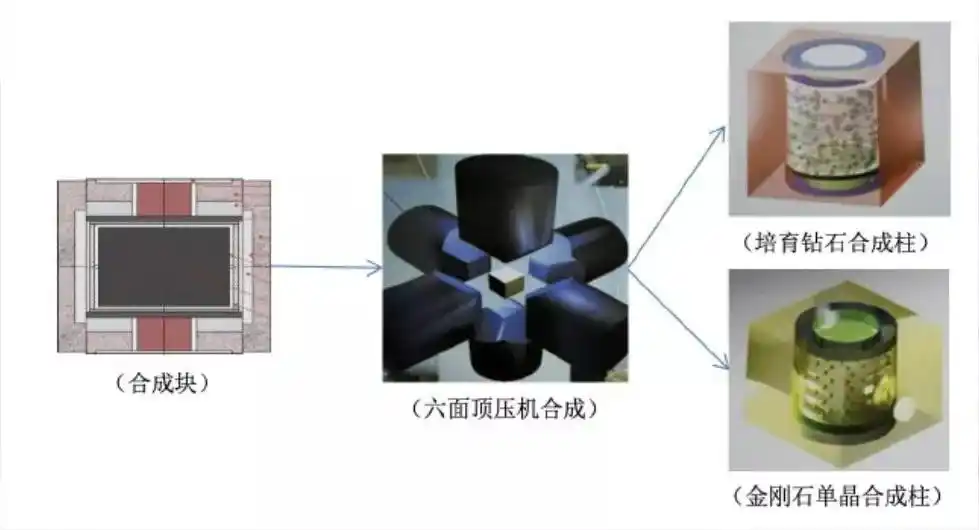
HPHT (High-Pressure High-Temperature)
Basic Principle: Under artificial high-temperature and high-pressure conditions, combined with other metallic elements, the molecular structure of graphite is altered, transforming it into diamond.
- Process Flow: ① Preparation of graphite core columns; →② Assembly of synthesis blocks; →③ Single-crystal synthesis;→ ④ Purification;→ ⑤ Sorting and inspection
- Strengths: Low cost, fast growth
- Weaknesses: Smaller carat size, lower clarity, higher whiteness
- Best for: 1–5 carat diamonds
CVD (Chemical Vapor Deposition)
Basic Principle: A carbon-containing vapor mixture (typically nitrogen, hydrogen, and methane) is introduced at low pressure; the carbon atoms released during thermal decomposition are deposited and grow on the surface of the diamond seed crystal.
- Process: Vacuum → gas heating → carbon deposition
- Strengths: High purity, high clarity
- Weaknesses: Slow growth, higher cost, lower whiteness
- Best for: 5+ carat diamonds
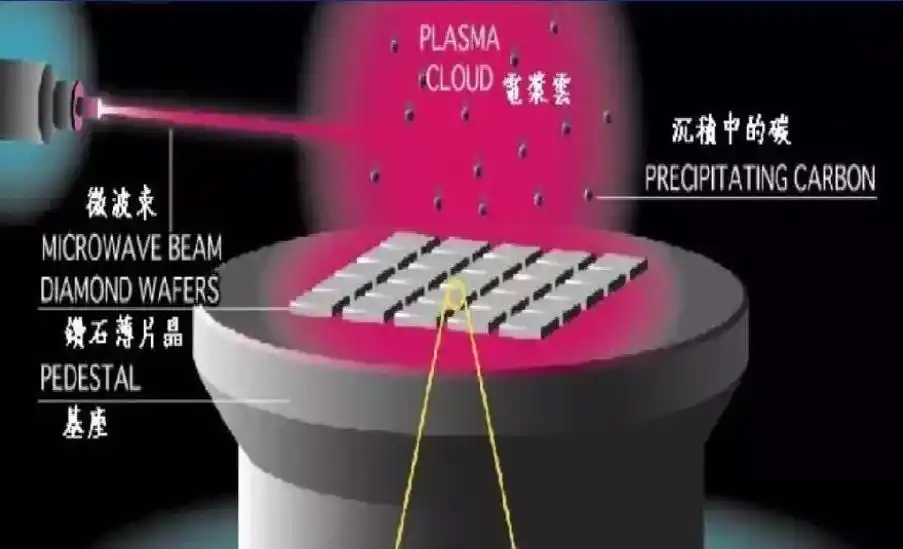
The two technologies serve different product needs and do not replace each other.
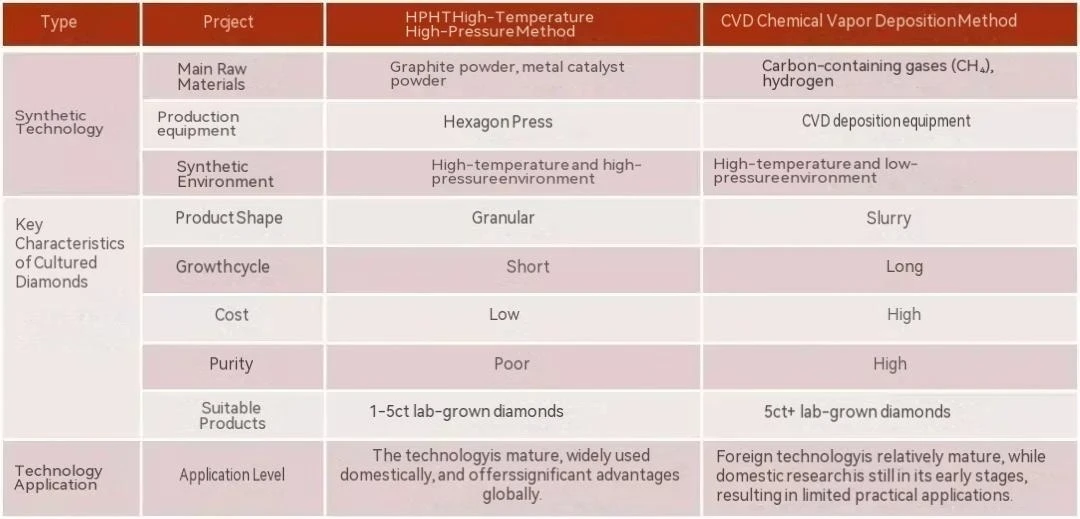
Comparison of the Advantages and Differences in Product Characteristics of Two Methods for Producing Lab-Grown Diamonds
Lab-grown diamonds synthesized using the High-Pressure, High-Temperature (HPHT) method are primarily tower-shaped. They feature fast growth rates and low production costs, though their clarity is slightly lower; however, they offer overall advantages, particularly in the synthesis of lab-grown diamonds weighing 1 to 5 carats.
Laboratory-grown diamonds produced using chemical vapor deposition (CVD) have a slab-like shape; while their color is difficult to control, the growth cycle is long, and costs are relatively high, they offer high clarity and are well-suited for the synthesis of diamonds weighing 5 carats or more.
The two focus on different types of products and are not substitutes for one another.
Development and Industry Recognition of the Lab-Grown Diamond Industry
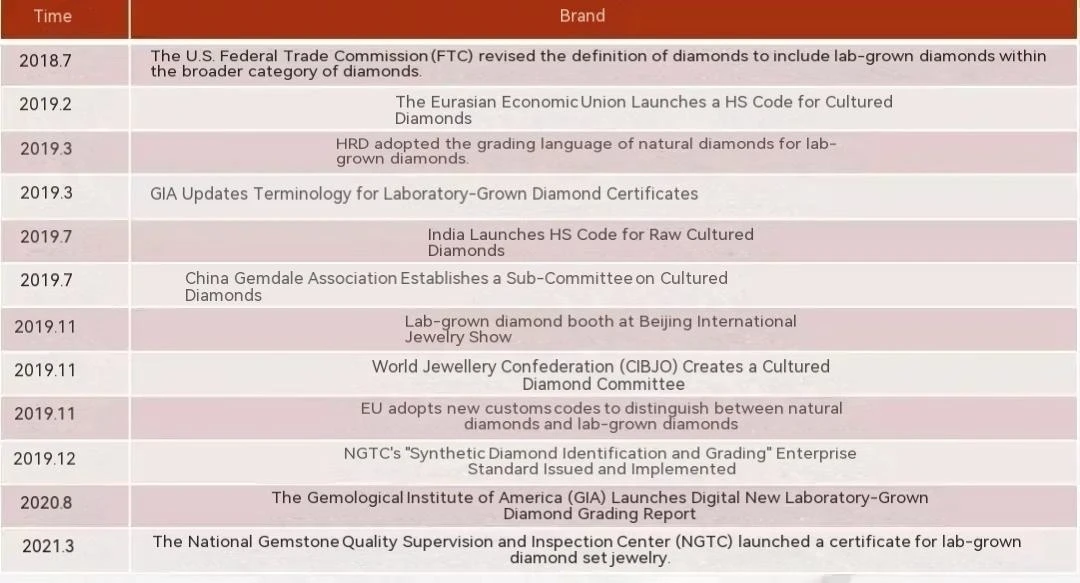
Since 2018, the process of industry standardization in the lab-grown diamond sector has accelerated, propelling the industry onto a fast track of development.
As the U.S. Federal Trade Commission (FTC) has officially recognized lab-grown diamonds, industry organizations have been established one after another, and industry standards have gradually been formalized.
In March 2021, the National Gemstone and Jewelry Quality Supervision and Testing Center (NGTC) of China introduced a certification program for lab-grown diamond jewelry.
Jewelry brands are increasingly embracing lab-grown diamonds
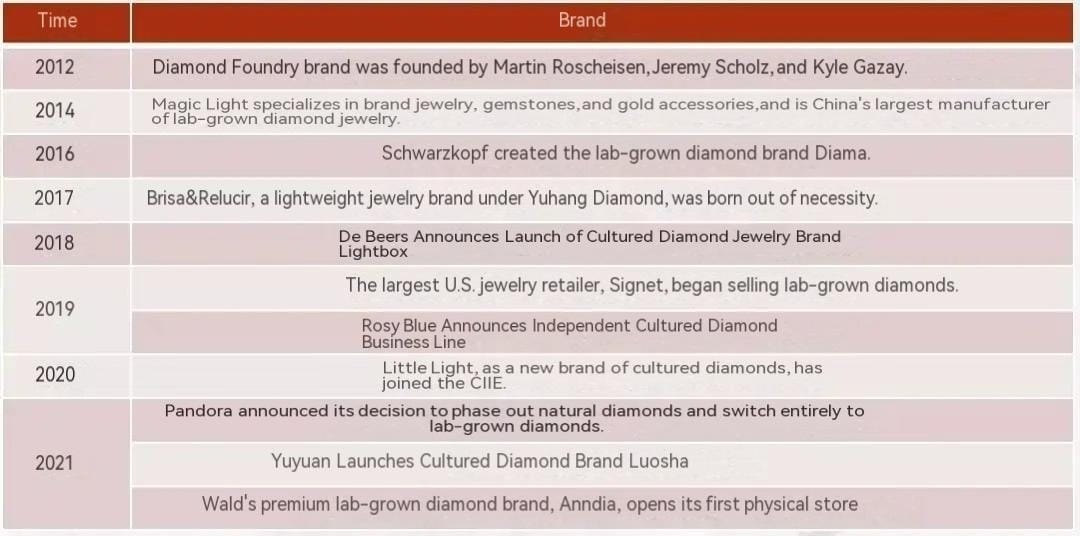
From 2012 to 2015, lab-grown diamonds began to appear sporadically in the fashion retail markets of some countries.
Around 2016, small batches of colorless lab-grown diamonds produced in China began to be manufactured and sold, though the industry was still in a phase of continuous exploration and improvement.
Since 2018, major diamond brands have been announcing the launch of lab-grown diamond jewelry collections, marking a significant growth opportunity for the lab-grown diamond industry.
What are the advantages of lab-grown diamonds?
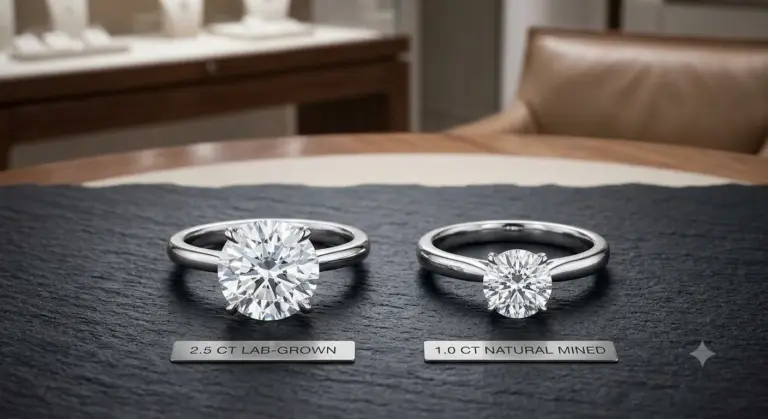
Lab-grown diamonds offer better value for money. As technology has matured, the retail price of lab-grown diamonds fell to 35% of that of natural diamonds in 2020.
According to a De Beers survey, self-indulgence is the top driver of diamond consumption in both China and the United States, indicating significant potential for lab-grown diamonds in the everyday jewelry market.
Lab-grown diamonds are environmentally friendly and labor-friendly. While the mining of natural diamonds leads to issues such as land degradation and environmental pollution, lab-grown diamonds offer significant advantages in terms of land degradation and mineral waste. They also demonstrate notable advantages in terms of workplace accident rates and occupational disease rates.
The new generation of consumers places greater emphasis on sustainability, which even influences their purchasing decisions; the environmental benefits of lab-grown diamonds have become a key selling point.
Lab-grown diamonds can be customized in terms of shape, size, and color. Large, colored natural diamonds are relatively rare, whereas lab-grown diamonds are relatively easy to produce in a laboratory and can be tailored to meet individual preferences.
Lab-grown diamonds are renewable. The total supply of natural diamonds is limited, and it is projected that they may be depleted within 10 to 15 years; lab-grown diamonds, on the other hand, are produced in laboratories and are therefore renewable.

Conclusion
As a new type of jewelry material, lab-grown diamonds share the same physical and chemical properties as natural diamonds and are subject to the same certification standards; they can only be distinguished by specialized equipment.
The current lab-grown diamond technologies are HPHT and CVD. HPHT technology is primarily concentrated in China, while CVD technology is mainly found in Europe and the United States. The two methods offer different advantages and have distinct applications.
China is a major producer of lab-grown diamonds, and both the output and quality of these diamonds are expected to continue improving. With the diamond and jewelry industry recovering from the pandemic and the rise of self-indulgent consumption driving demand for diamonds, there is still room for growth in the penetration rate of the Chinese diamond market.
As industry organizations and standards are gradually established, the quality of lab-grown diamonds is gaining recognition; downstream jewelers are shifting their stance and actively promoting lab-grown diamond collections; these dual efforts are driving the market penetration of lab-grown diamonds, and future demand is expected to continue rising, indicating a promising outlook for the industry.
With demand currently surging rapidly and supply constrained by the limited number of presses, the supply-and-demand imbalance is expected to persist over the next few years, providing solid support for the pricing structure of lab-grown diamonds.