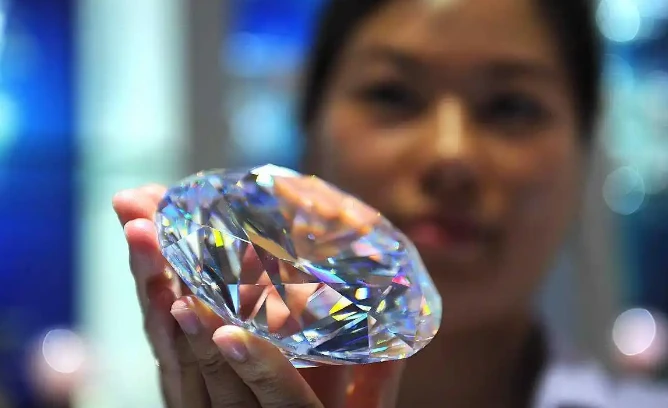
lab-grown diamond detection technology for jewelry retailers
The widespread popularity of lab-grown diamonds in the jewelry market has stimulated massive demand for advanced lab-grown diamond detection technology for jewelry retailers, creating a dynamic and competitive market environment for manufacturers of these detection devices. As more consumers opt for lab-grown diamonds, jewelry retailers are increasingly relying on reliable lab-grown diamond detection technology to maintain trust and transparency in their operations.
The Necessity of Detection: Safeguarding Consumer Confidence
The jewelry industry is at a critical crossroads. While lab-grown diamonds serve as an appealing alternative to natural diamonds, their surging market demand calls for reliable lab-grown diamond detection technology for jewelry retailers. Consumer confidence is the cornerstone of the diamond trade, which relies heavily on market transparency and the ability to distinguish between natural and lab-grown diamonds. Without dependable lab-grown diamond detection technology for jewelry retailers, the risks of undisclosed mixing and false marketing will remain substantial, undermining consumer trust and harming the entire industry.
The challenge lies not only in identifying synthetic diamonds, but also in doing so efficiently and cost-effectively with lab-grown diamond detection technology for jewelry retailers. Jewelers, gemologists, and grading laboratories require tools that are both highly accurate and user-friendly for daily operations—key features of effective lab-grown diamond detection technology for jewelry retailers. Equipment cost, ease of operation, and analysis speed are key factors affecting the popularity of lab-grown diamond detection technology for jewelry retailers. In addition, as lab-grown diamond production technology advances, lab-grown diamond detection technology for jewelry retailers must evolve continuously to keep pace with new industry trends.
Key Players and Technologies Shaping the Market
Several leading enterprises are driving innovation in the synthetic diamond detection market, offering a full range of solutions—from high-precision laboratory instruments to portable devices designed for point-of-sale use—that define modern lab-grown diamond detection technology for jewelry retailers. Their technologies adopt multiple scientific principles to differentiate natural diamonds from lab-grown ones, forming the core of reliable lab-grown diamond detection technology for jewelry retailers:
- Spectroscopy: A foundational component of lab-grown diamond detection technology for jewelry retailers, it analyzes light absorption and emission patterns to identify unique spectral features linked to different growth processes. This method detects trace elements and inclusions to distinguish lab-grown diamonds from natural ones, making it a staple in lab-grown diamond detection technology for jewelry retailers.
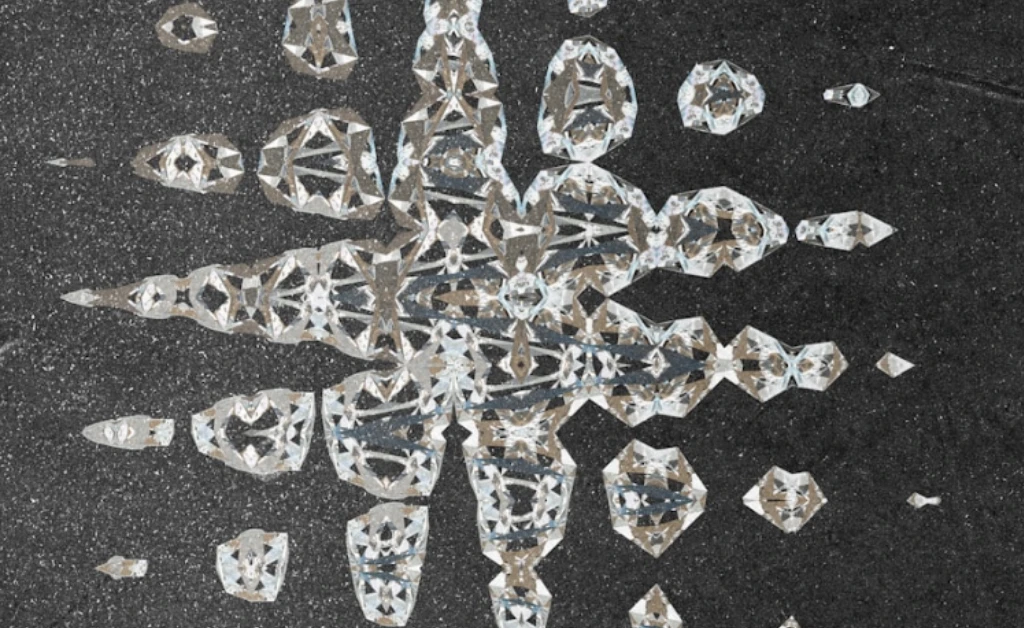
- Imaging: Advanced imaging technology, a key part of lab-grown diamond detection technology for jewelry retailers, reveals growth patterns and internal structures unique to synthetic diamonds. Certain types of lab-grown diamonds display distinct growth zoning rarely seen in natural diamonds, a detail easily captured by quality lab-grown diamond detection technology for jewelry retailers.
- Electrical Conductivity: A simple yet effective aspect of lab-grown diamond detection technology for jewelry retailers, it measures diamond conductivity, which varies due to specific impurities introduced during the growth process.
- DiamondView™: A proprietary imaging technology that uses deep ultraviolet light to display fluorescence patterns indicating a lab-grown origin, widely integrated into lab-grown diamond detection technology for jewelry retailers.
Industry leaders, including Element Six under the De Beers Group, GIA, and HRD Antwerp, provide a comprehensive lineup of detection instruments and professional services, advancing lab-grown diamond detection technology for jewelry retailers. Many smaller specialized firms also contribute to the market with innovative solutions for niche applications, enriching the range of lab-grown diamond detection technology for jewelry retailers. Continuous R&D investment defines the competitive landscape, as manufacturers strive to improve the accuracy, speed, and cost-efficiency of lab-grown diamond detection technology for jewelry retailers.
Impact of Global Jewelry Sourcing Index and Supply Chain Transparency
The rise of synthetic diamonds has further highlighted the importance of supply chain transparency and responsible sourcing initiatives, which work hand in hand with lab-grown diamond detection technology for jewelry retailers. Programs such as the Global Jewelry Sourcing Index play a vital role in promoting ethics and sustainability across the jewelry sector. By offering a framework to evaluate and compare sourcing practices, the index helps consumers make informed choices and supports brands committed to responsible procurement—efforts that are strengthened by reliable lab-grown diamond detection technology for jewelry retailers.
Furthermore, procurement integrity and verification protocols are indispensable, and lab-grown diamond detection technology for jewelry retailers serves as a key tool in upholding these standards. Detection technology not only identifies synthetic diamonds but also ensures full supply chain integrity, a core function of lab-grown diamond detection technology for jewelry retailers. Effective lab-grown diamond detection technology for jewelry retailers helps verify diamond origins, prevent the undisclosed blending of natural and lab-grown diamonds, and curb market fraud. As consumers grow more concerned about ethical and environmental issues, full traceability of diamonds—supported by lab-grown diamond detection technology for jewelry retailers—from mines or laboratories to the retail market will become increasingly essential.

Future Trends and Challenges for Lab-Grown Diamond Detection Technology for Jewelry Retailers
The synthetic diamond detection market, centered on lab-grown diamond detection technology for jewelry retailers, is projected to maintain steady growth in the coming years, driven by multiple factors:
- Rising output of lab-grown diamonds: Lower production costs and upgraded manufacturing technology will boost supply, further driving demand for lab-grown diamond detection technology for jewelry retailers.
- Advancements in detection technology: Ongoing R&D will deliver more accurate, faster and cost-effective lab-grown diamond detection technology for jewelry retailers, making it more accessible to small and medium-sized retailers.
- Growing consumer awareness: As the public learns more about lab-grown diamonds and disclosure norms, demand for reliable lab-grown diamond detection technology for jewelry retailers will continue to rise.
- Regulatory evolution: Government bodies and industry associations will play a greater role in regulating the sales and marketing of lab-grown diamonds, accelerating the adoption of standardized lab-grown diamond detection technology for jewelry retailers.
Meanwhile, the market for lab-grown diamond detection technology for jewelry retailers still faces notable challenges:
- High equipment costs that are unaffordable for small jewelers and retailers limit access to advanced lab-grown diamond detection technology for jewelry retailers.
- Technical complexity requiring professional training and expertise to operate lab-grown diamond detection technology for jewelry retailers effectively.
- Rapid iteration of lab-grown diamond technology is forcing constant upgrades to lab-grown diamond detection technology for jewelry retailers.
- Public misconceptions and doubts that need to be resolved to sustain industry trust in lab-grown diamond detection technology for jewelry retailers.
Outlook: Education, Transparency, and Innovation in Detection Technology
Education, transparency, and innovation hold the key to navigating the future of the synthetic diamond market, especially for lab-grown diamond detection technology for jewelry retailers. Jewelers and retailers must upgrade their professional knowledge—and that of their customers—about lab-grown diamonds, standard disclosure rules, and the importance of reliable lab-grown diamond detection technology for jewelry retailers. Supply chain transparency, supported by lab-grown diamond detection technology for jewelry retailers, is critical to building long-term trust and enabling informed consumer purchasing decisions. Continuous innovation in lab-grown diamond detection technology for jewelry retailers remains essential to stay ahead of technological iteration and uphold the integrity of the global diamond trade.
In addition, industry resources such as the Jewelry Business Growth Handbook provide valuable insights and actionable strategies for enterprises adapting to the evolving diamond market and integrating lab-grown diamond detection technology for jewelry retailers. By prioritizing education, improving transparency, and embracing technological innovation in lab-grown diamond detection technology for jewelry retailers, the jewelry industry can secure a sustainable and ethical future for both natural and lab-grown diamonds.
Conclusion: Embrace Technology for a Sustainable Future
The synthetic diamond detection market, anchored by lab-grown diamond detection technology for jewelry retailers, has become an indispensable part of the modern jewelry industry. As lab-grown diamonds gain wider popularity, reliable lab-grown diamond detection technology for jewelry retailers is critical to safeguarding consumer confidence, ensuring market transparency and preventing fraud. By adopting advanced lab-grown diamond detection technology for jewelry retailers and promoting responsible sourcing practices, the jewelry industry can embrace both challenges and opportunities brought by lab-grown diamonds, building a sustainable future for all stakeholders. Continuous advancements in lab-grown diamond detection technology for jewelry retailers are set to create a safer, more transparent market that benefits consumers and the entire jewelry sector.