LVMH Invests in Lab-Grown Diamond Producer | Luxury Jewelry Market Shift
Recently, LVMH Group, the global luxury giant, has acquired a minority stake in a renowned lab-grown diamond producer. This move marks a major shift in the high-end jewelry market landscape and is set to reshape consumer perceptions as well as the entire supply chain pattern. It highlights the rising market acceptance and penetration of lab-grown diamonds in the luxury sector, sparking widespread excitement and discussions across the industry.
LVMH’s Strategic Layout: Embracing the Future of Diamonds
As the owner of iconic brands including Tiffany & Co., Bulgari and TAG Heuer, LVMH’s investment in a lab-grown diamond producer has drawn widespread attention. While details of the targeted company and financial terms remain undisclosed, the core message is clear: LVMH recognizes the growing significance of lab-grown diamonds and regards them as an indispensable part of the luxury jewelry industry’s future. This strategic decision stems from multiple factors, including shifting consumer preferences, rising focus on sustainability and ethical sourcing, as well as the potential to gain greater control over the diamond supply chain.
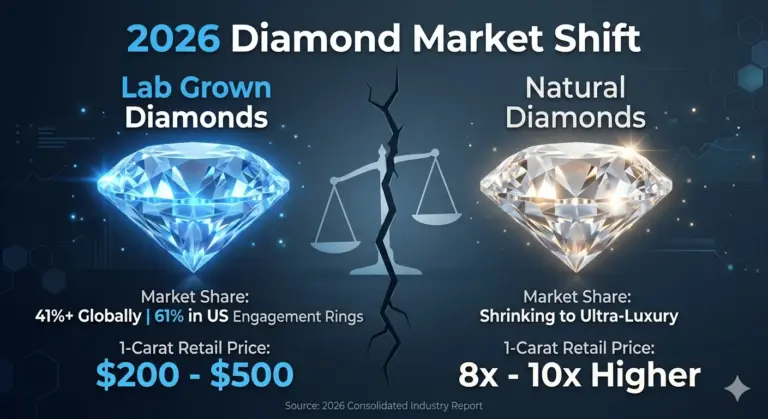
Traditionally, the luxury jewelry market has long been dominated by mined diamonds, cherished for their rarity, natural origin and inherent value. By contrast, lab-grown diamonds are crafted with advanced technologies in a controlled laboratory environment. Chemically and physically identical to mined diamonds, they boast remarkable advantages: a more sustainable and ethical production process, alongside a generally lower cost. This price edge, coupled with growing consumer awareness of the environmental and social impacts of diamond mining, has jointly fueled the rapid expansion of the lab-grown diamond market.
LVMH’s investment serves as a strategic measure to capitalize on surging market demand and potentially disrupt the traditional diamond industry. By partnering with a leading lab-grown diamond manufacturer, LVMH gains access to cutting-edge technology, professional expertise, and a stable supply of high-quality lab-grown diamonds. This enables the group to offer consumers a wider selection of diamond jewelry catering to diverse budget ranges and ethical values.
Impact on the Jewelry Industry: A Paradigm Shift?
The implications of LVMH’s move extend far beyond a mere financial investment. It represents a landmark endorsement of lab-grown diamonds by one of the world’s top luxury groups, prompting other major jewelry market players to rethink their stance on lab-grown diamonds. It will likely drive the broader application of lab-grown diamonds across all jewelry categories, from engagement rings to high-end fashion jewelry.
Traditional diamond miners represented by industry giants such as De Beers and Alrosa have long remained cautious about lab-grown diamonds, emphasizing the unique value and rarity of natural mined diamonds. Even so, these established players have acknowledged the expanding market share of lab-grown diamonds and begun launching their own lab-grown diamond product lines under differentiated branding and marketing strategies.
The growing popularity of lab-grown diamonds has also reshaping retail businesses. Major jewelry retailers now stock and sell both lab-grown and natural diamonds side by side, providing consumers with more choices and greater transparency. This trend is poised to continue amid rising consumer demand and fierce market competition among retailers.
Ethical and Sustainability Considerations: The Core Driving Force
One key driver behind the booming popularity of lab-grown diamonds lies in consumers’ increasing emphasis on ethical and sustainable sourcing. Diamond mining has long been associated with environmental degradation, human rights violations and conflict financing. Although initiatives like the Kimberley Process have been launched to address these issues, concerns over the sourcing and ethics of mined diamonds still persist.
Lab-grown diamonds offer a more transparent and sustainable alternative. Produced in controlled laboratory settings, they avoid the ecological damage caused by mining and greatly reduce the risks of human rights abuses. Their production process is also more energy-efficient, especially when powered by renewable energy. This aligns perfectly with the rising demand among consumers, especially younger generations, for eco-friendly and ethically sound products.
LVMH’s investment in a lab-grown diamond producer underscores its commitment to sustainable development and ethical sourcing. This strategic step allows the group to provide jewelry that resonates with consumers’ values and contributes to building a more responsible and transparent diamond industry.
The Future of Luxury Jewelry: A Hybrid Market Model
LVMH’s endorsement of lab-grown diamonds does not signal the demise of natural diamonds in the luxury market. More likely, the future luxury jewelry sector will adopt a hybrid coexistence model, where natural and lab-grown diamonds each serve distinct consumer groups.
Natural diamonds will continue to retain their value based on geological rarity, natural origins and symbolic prestige, appealing to high-end consumers who pursue ultimate luxury experiences and are willing to pay a premium. Lab-grown diamonds, by comparison, will remain favored by eco-conscious, ethics-driven and budget-aware consumers, delivering an accessible and responsible luxury option.
Transparency and clear market communication will become the key to success in the future luxury jewelry market. Consumers need to fully understand the origin, characteristics and ethical implications of both natural and lab-grown diamonds, so as to make informed decisions aligned with their personal values and preferences. Retailers and luxury brands must adjust marketing strategies to effectively convey the unique value proposition of each diamond category.
Challenges and Opportunities: Navigating a Transforming Market
The rise of lab-grown diamonds brings both profound challenges and abundant opportunities to the jewelry industry.
A primary challenge lies in maintaining consumer trust and market transparency. It is critical to establish clear identification and classification standards to distinguish lab-grown diamonds from natural ones, preventing misleading sales and fraudulent practices. This calls for improved certification and labeling regulations, as well as systematic consumer education.
Another challenge is stabilizing the price dynamics of the overall diamond market. Increased production of lab-grown diamonds may drive down market prices, which could in turn impact the valuation of natural diamonds. The industry needs to manage this transition prudently to avoid market volatility and erosion of consumer confidence.
Meanwhile, the prevalence of lab-grown diamonds unlocks enormous opportunities. It allows the jewelry industry to tap into new consumer segments, expand product lines, and enhance brand sustainability image. By embracing lab-grown diamonds, the jewelry sector can become more inclusive, socially responsible and resilient.
Conclusion: A New Chapter for the Global Diamond Industry
LVMH’s minority investment in a lab-grown diamond producer marks a pivotal turning point for the entire diamond industry. It signals growing mainstream recognition of lab-grown diamonds as a viable and desirable alternative to mined diamonds, poised to reshape the luxury jewelry landscape and redefine consumer cognition. Despite lingering challenges, the rise of lab-grown diamonds presents an unprecedented opportunity for the industry to evolve toward greater sustainability, ethical integrity and inclusiveness, opening an entirely new chapter for the global diamond trade.
About AIDI
The Association for Intelligent Diamond (AIDI) is a federally registered nonprofit organization in Canada that provides independent sustainability certification services to the global jewelry supply chain.
Guided by the principles of the United Nations 2030 Agenda for Sustainable Development and its 17 Sustainable Development Goals, AIDI translates the global sustainable development framework into verifiable, industry-specific certification standards. This helps jewelry companies demonstrate genuine responsibility and enables consumers to make purchasing decisions based on verified facts rather than marketing rhetoric.
The official website of the Association of International Diamond Experts (AIDI) https://www.aidi.org