Where Do Most Lab-Grown Diamonds Come From? Inside China’s Diamond Capital
Quick Summary:
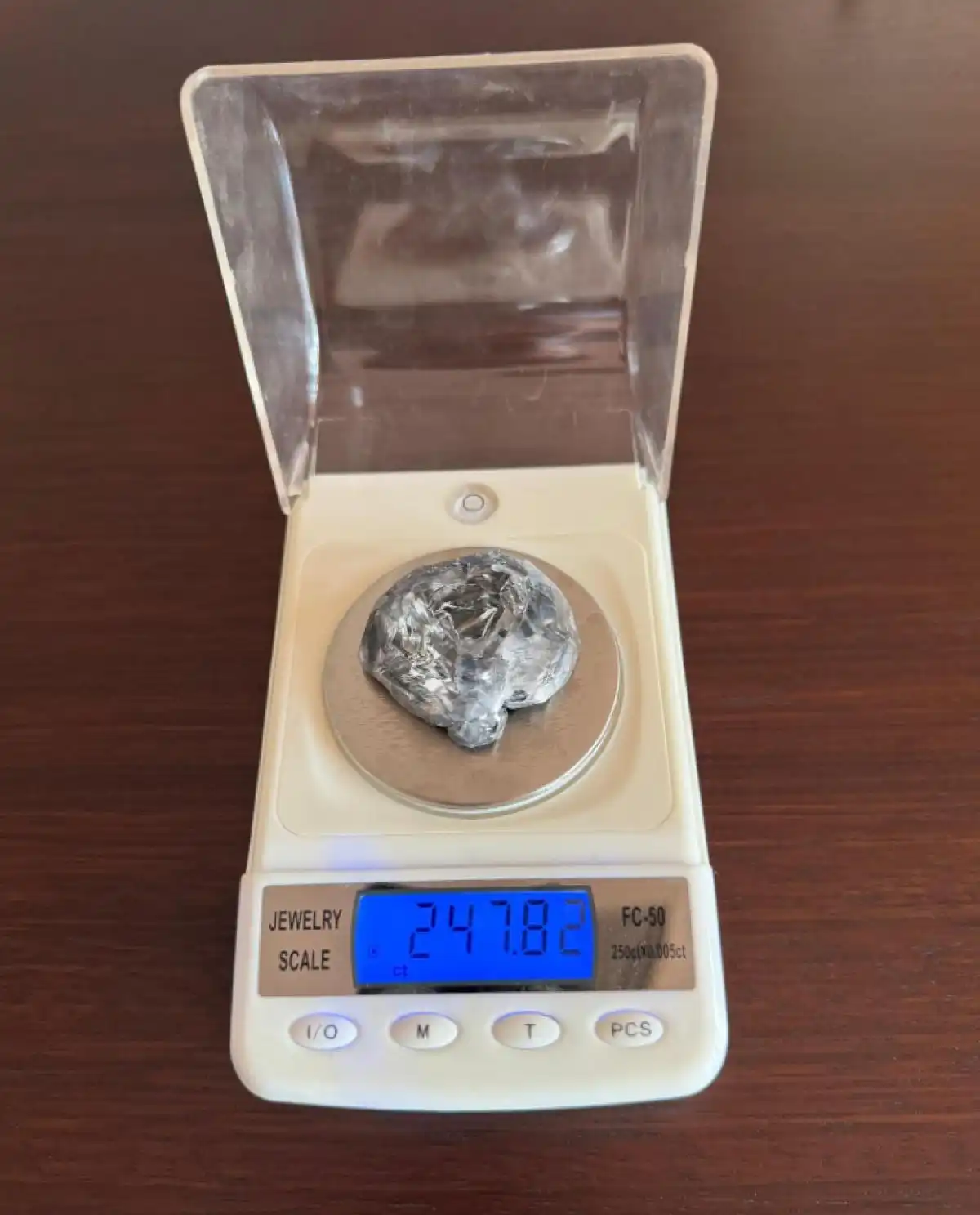
Record-Breaking Innovation: Henan-based Sino-Crystal successfully grew a massive 247.82-carat lab diamond single crystal (measuring 45mm × 43mm), shattering their own world record of 156.47 carats set just a year prior.
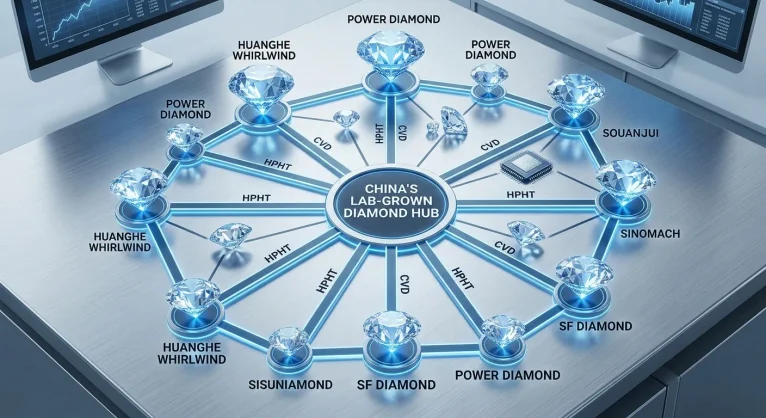
Global Supply Chain Dominance: Henan, China has transformed into the world’s diamond factory, leveraging decades of HPHT (High Pressure High Temperature) technology to produce 63% of the global lab-grown diamond capacity.
Market Disruption: The rise of high-quality Chinese cultivated diamonds (with 90%+ achieving top D-color grades) has broken traditional monopolies, causing lab-created diamond prices to plummet by over 80%.
Beyond Luxury Jewelry: This breakthrough scales up production of large-scale industrial diamonds, a critical next-generation material for semiconductors, optics, and high-tech manufacturing due to its unmatched thermal conductivity and hardness.
Table of Contents
Would you believe that a diamond larger than a chicken egg was actually “grown” inside a factory in Henan, China?
What does 247.82 carats even mean? In the natural diamond industry, any stone exceeding 100 carats is considered a priceless, once-in-a-century treasure, easily fetching hundreds of millions of dollars at auctions. Yet, a manufacturing company in Henan has shattered expectations by pushing the world record to a staggering 247.82 carats.
How impressive is this diamond, really? Why is Henan leading this revolution? And is the century-old myth of natural diamonds finally being dismantled by Chinese innovation?
247.82-Carat Record: The World’s Largest Lab-Grown Diamond Shatters Industry Limits
On July 9, at the Liangliang Diamond R&D Center in Zhecheng County, Shangqiu, Henan, a large, crystal-clear single crystal was undergoing testing.
The results were mind-blowing: a weight of 247.82 carats and dimensions of 45mm × 43mm, approaching a near-standard 2-inch specification.
To put this number into perspective, just one year ago, this exact same company had set the previous world record at 156.47 carats. At the time, industry experts called it “unbelievable,” predicting it would remain the absolute technological ceiling for at least three to five years.
Yet, in just 12 months, the R&D team shattered their own record, increasing the single-crystal mass by nearly 60%—jumping from 156 carats to 247 carats. This is a true generational leap. Furthermore, the technical team revealed that through advanced epitaxial growth technology, breaking past the 2-inch barrier is entirely within reach in the near future. This is nowhere near the final ceiling.
For many, a 2-inch lab-grown diamond single crystal might sound abstract. To use an analogy from the semiconductor industry, this is like jumping directly from a 90nm process node to 7nm. It is not just about a larger size; it represents a fundamental, generational breakthrough in underlying synthesis technology.
Why Is Henan the Undisputed Capital of the Synthetic Diamond Industry?
When people think of diamonds, their minds immediately fly to South Africa, De Beers, or African mines. However, the modern reality is that one out of every two lab-grown diamonds in the world comes from Henan, China.
Henan’s annual synthetic diamond production reaches approximately 25 million carats, accounting for 63% of global capacity and over 80% of China’s total output. How did an agricultural province transform into the “world’s diamond factory”?
This story trace back to 1963, when China’s first man-made diamond was synthesized at the Zhengzhou Third Grinding Research Institute (Abrasives Research Institute). That single spark ignited a massive industry. Over the past 60 years, Henan has built the world’s most complete supply chain for superhard materials.
Take Zhecheng County as an example. Once a poverty-stricken region, it now hosts 223 superhard material enterprises, producing over 10 million carats of cultivated diamonds annually, earning it the title of “China’s Diamond Capital”.
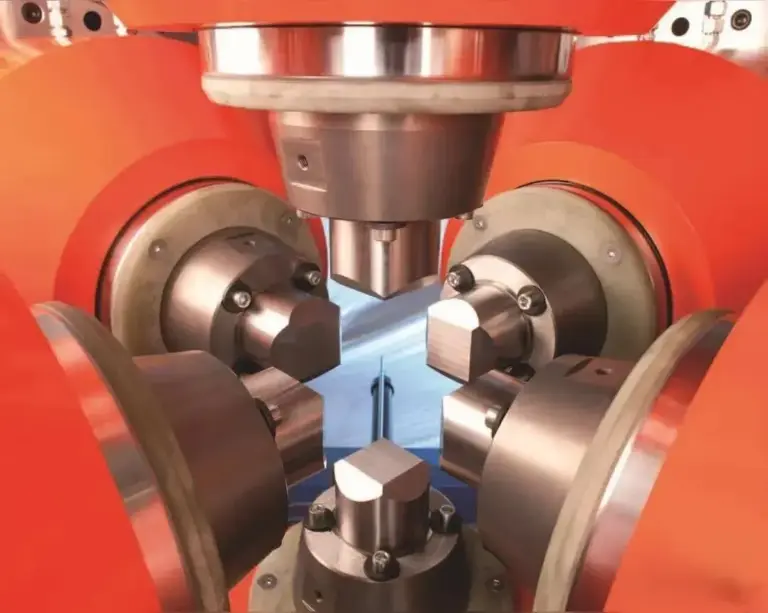
The secret behind this success comes down to four words: HPHT (High Pressure High Temperature).
The process replicates the extreme environments found deep within the Earth, using temperatures above 1,600°C and immense pressure to force carbon atoms to crystallize layer by layer into diamonds. While natural diamonds take millions of years to form, a laboratory can grow them in just a few weeks.
Through decades of deep cultivation, Henan has achieved a global monopoly on equipment, craftsmanship, and cost control. Sizes that other countries struggle to produce are routine in Henan; price points that cause foreign competitors to bleed money still yield a healthy profit margin for Henan factories. This is the disruptive power of Chinese manufacturing: once a technology is mastered, luxury goods are rapidly democratized into affordable commodities.
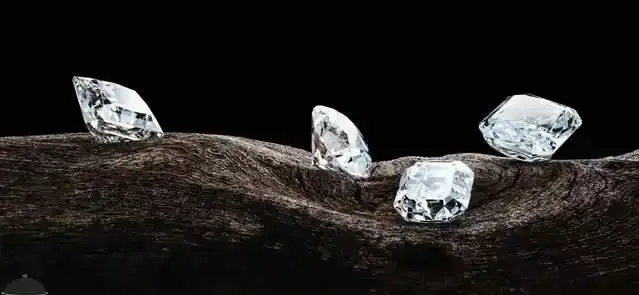
lab-grown diamond
Lab-Created Diamond Price Trends: Why the Monopoly Is Collapsing
Who suffers the most from the rise of cultivated diamonds? Naturally, it is the traditional diamond cartels.
For decades, De Beers successfully anchored the slogan “A Diamond is Forever” into the global consciousness, linking diamonds deeply with love to sell a basic block of carbon at astronomical prices. By monopolizing mines and strictly controlling supply, they maintained this artificial scarcity for nearly a century.
But the manufacturers in Henan refused to play by those rules.
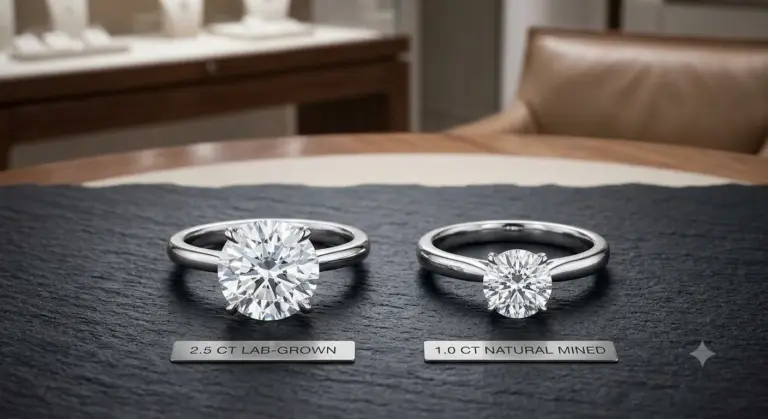
The data tells a brutal story: the price of lab-created diamonds has plummeted to one-tenth—or even less—of the price of natural diamonds. A few years ago, a one-carat lab diamond cost thousands of dollars; today, a high-quality stone can be purchased for a fraction of that, representing a price drop of over 80%.
Even worse for the traditional cartels, the quality of these lab stones is often superior. Over 90% of the products from Henan’s leading enterprises achieve the top D-color grade, with clarity and cut ratings that easily rival or beat natural stones. To the naked eye, and even under professional gemological instruments, they are virtually indistinguishable.
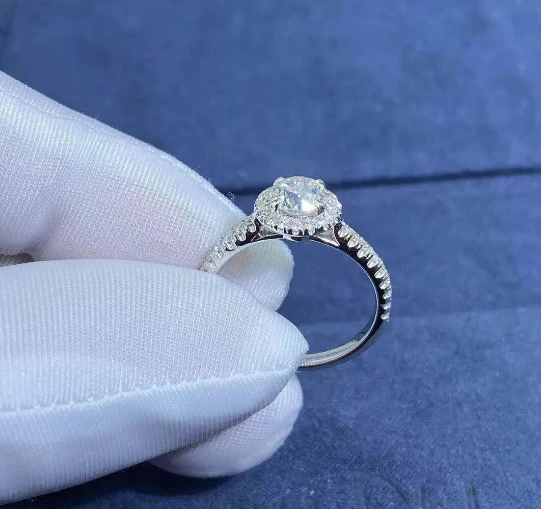
Young consumers are voting with their wallets. When buying engagement rings, more and more couples are opting for affordable lab-grown diamonds, choosing to get a much larger, higher-quality stone for far less money rather than paying an “IQ tax” for the word “natural”.
Even the traditional giants are panicking. While De Beers publicly claimed that lab-grown stones “have no soul,” their corporate actions painted a different picture as they launched their own lab-grown diamond brand.
Beyond Jewelry: The Role of Industrial Diamonds in Next-Gen Technology
However, Henan’s dominance in the gemstone market is only half the story; this massive scaling of production is rapidly spilling over from consumer jewelry into the high-stakes world of next-generation tech.
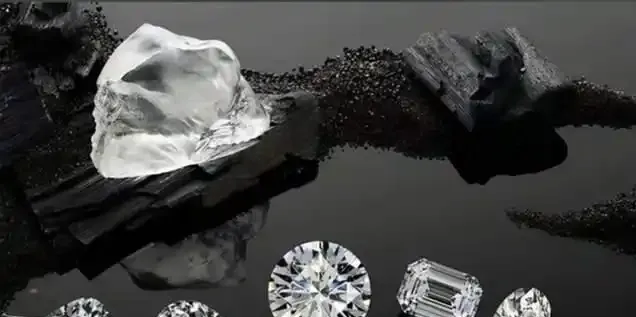
The breakthrough of the 247.82-carat single crystal carries implications that stretch far beyond the jewelry industry. Large-scale, high-purity industrial diamonds are strategic, next-generation materials for the semiconductor, optics, and high-end manufacturing sectors. Its unmatched hardness, extreme thermal conductivity, and unique optical properties make it superior to any traditional material. In short, Henan is not just growing jewelry; it is growing the bedrock for future high-tech manufacturing.
It took Henan 60 years to evolve from a single synthetic seed into the world’s largest cultivated diamond ecosystem. There were no shortcuts—only relentless R&D and tackling the hardest technical bottlenecks until foreign monopolies were transformed into Chinese competitive advantages.
We are seeing this exact script play out across multiple industries: photovoltaics, electric vehicles, EV batteries, and tunnel boring machines. Fields once completely dominated by foreign giants are being captured one by one by Chinese innovation.
While critics often label Chinese industry as “low-end contract manufacturing,” the reality is a massive shift from “Made in China” to “Created in China”. The story of Henan’s diamond industry is a vivid microcosm of this era of industrial transformation. What does a single diamond reflect? It reflects an industry’s underdog victory, a nation’s industrial upgrade, and an unyielding spirit of perseverance.
When world-record-breaking diamonds begin growing regularly out of factories in Henan, the world must realize one thing: no monopoly is unbreakable when met with relentless dedication and engineering grit.