Is a Lab-Grown Diamond Actually a Real Diamond? Everything You Need to Know
The Core Answer: Yes, absolutely. Is a lab-grown diamond actually a real diamond? From every scientific standpoint, the answer is a resounding yes.
They are 100% genuine diamonds. They share the exact same chemical, physical, and optical properties as natural diamonds. Both are composed entirely of carbon atoms, boasting the identical level of hardness, fire, and brilliance
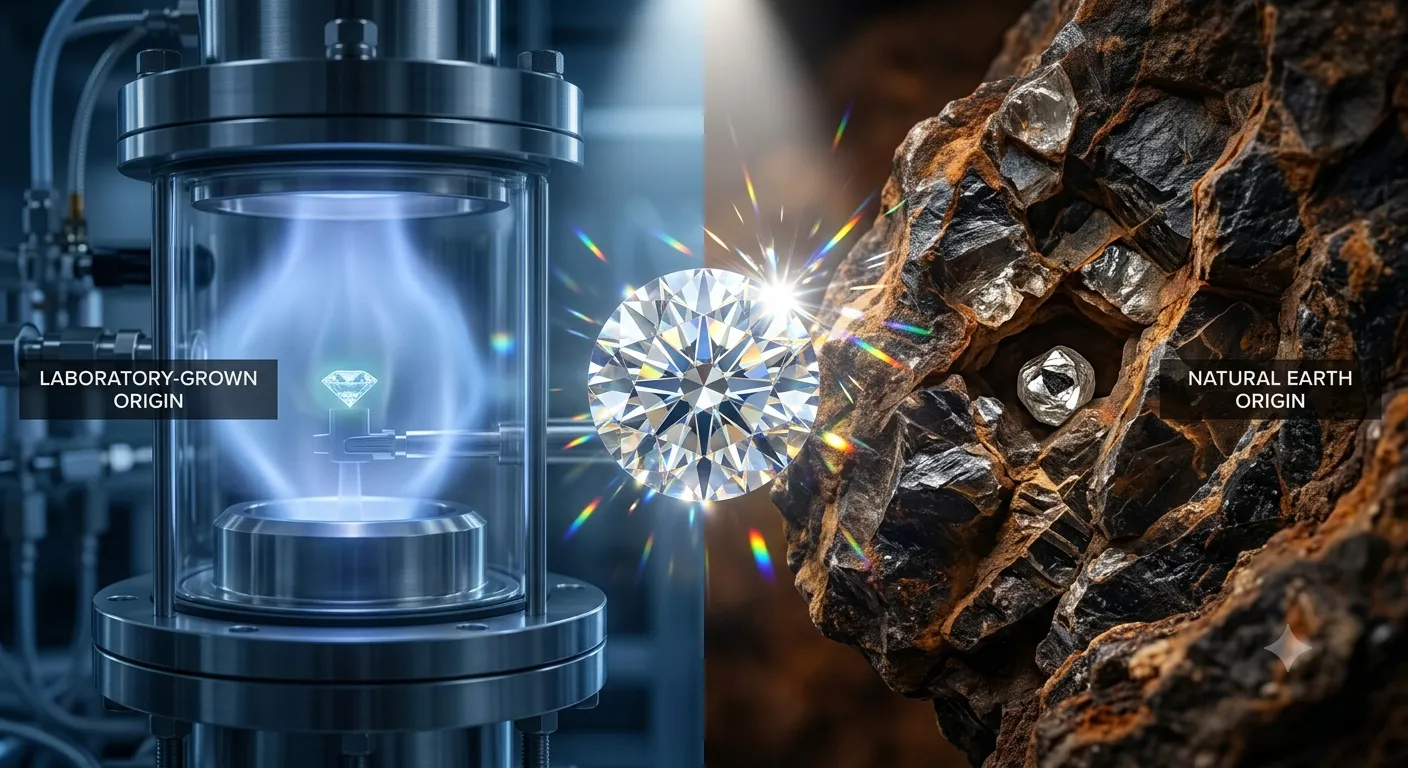
The fundamental distinction lies solely in their origin: one is cultured in a laboratory using advanced technology over a matter of weeks, while the other formed deep within the Earth over millions or even billions of years through natural geological activity.
Understanding Lab-Grown Diamonds: What Exactly Are They?
When consumers ask, “Is a lab-grown diamond actually a real diamond?” they often mistake them for cheap imitations. More accurately termed “Laboratory-Grown Diamonds,” these are not diamond simulants like Moissanite or Cubic Zirconia (CZ).
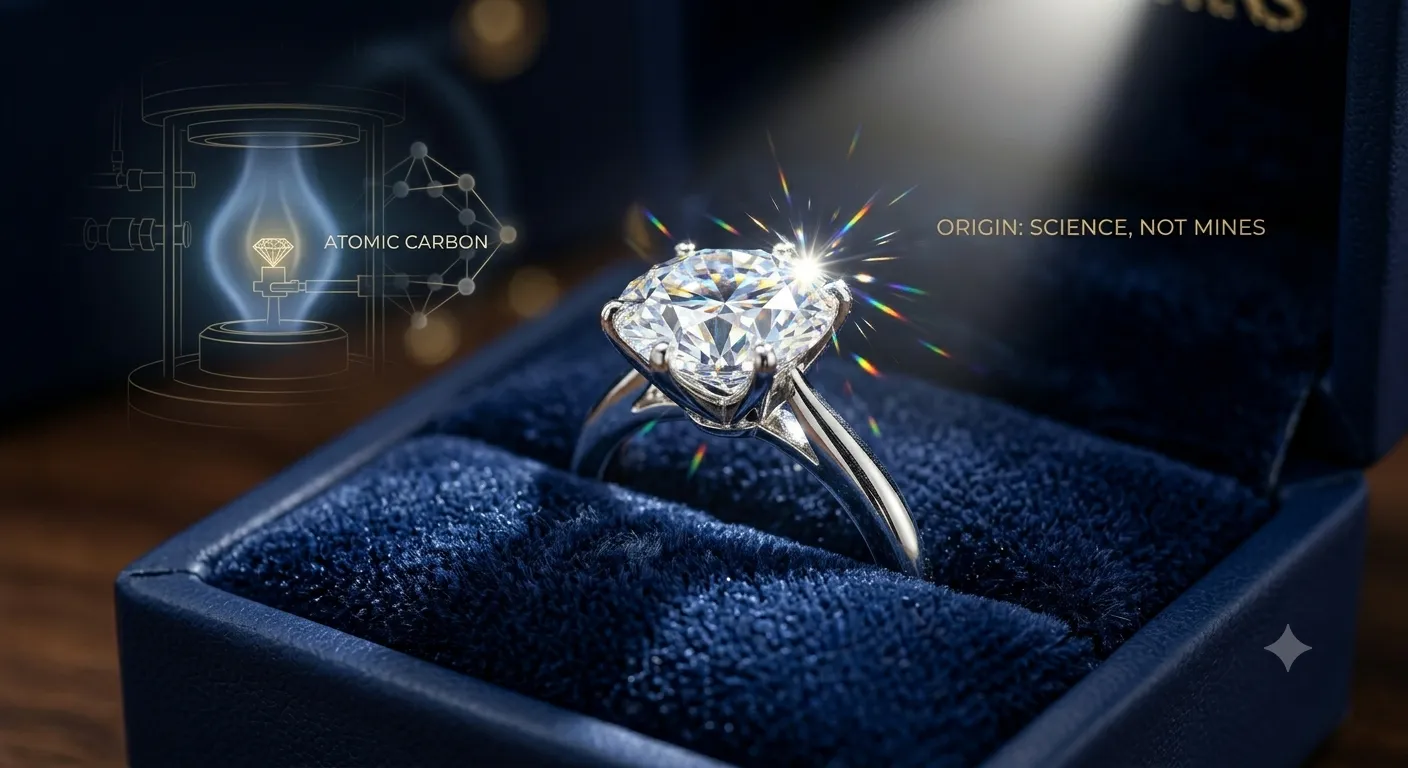
Instead, scientists replicate the extreme natural environments where diamonds grow—using high pressure, high temperature, or chemical vapors—to accelerate the growth process. Think of it as a greenhouse orchid versus a wild orchid; they belong to the exact same species and share the identical essence, differing only in the environment and the time it took to bloom.
How Are Lab-Grown Diamonds Created?
There are two primary manufacturing techniques utilized today, both capable of producing gems that leave no doubt when wondering, “Is a lab-grown diamond actually a real diamond?”
HPHT (High Pressure High Temperature):
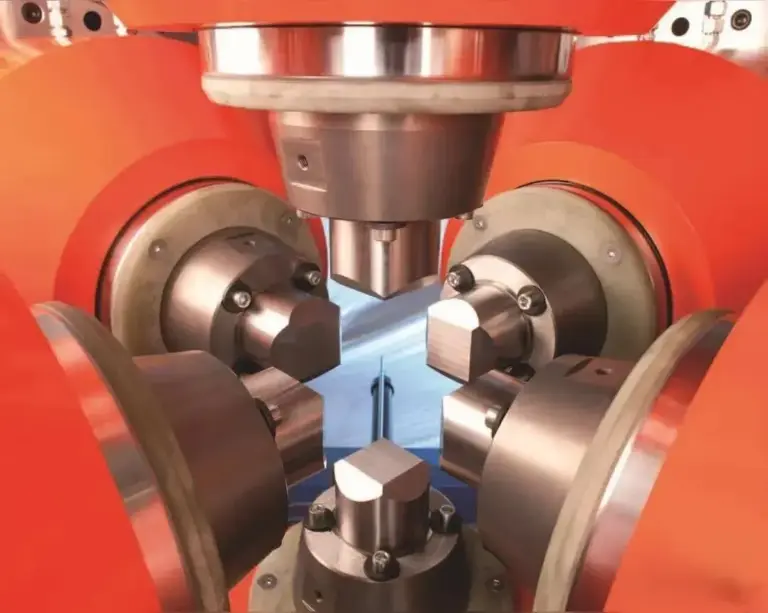
- Method: This technique perfectly mimics the intense subterranean conditions that create natural diamonds. A carbon source, such as high-purity graphite, is placed into a massive apparatus that exerts extreme temperatures (approx. 1400–1600°C) and immense pressure (approx. 50,000–60,000 atmospheres). Under these forces, carbon atoms melt and recrystallize onto a tiny diamond seed, growing atom by atom.
- Characteristics: Highly mature technology, particularly exceptional for producing stones under 2 carats. It frequently yields diamonds with superior color grades (such as D, E, and F).
CVD (Chemical Vapor Deposition):
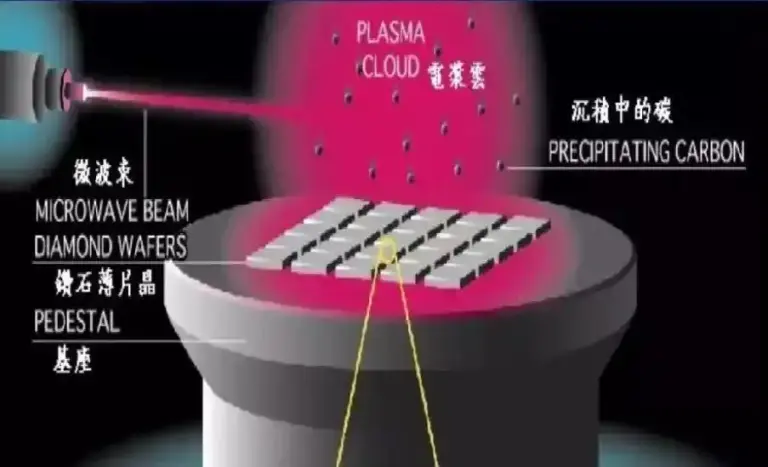
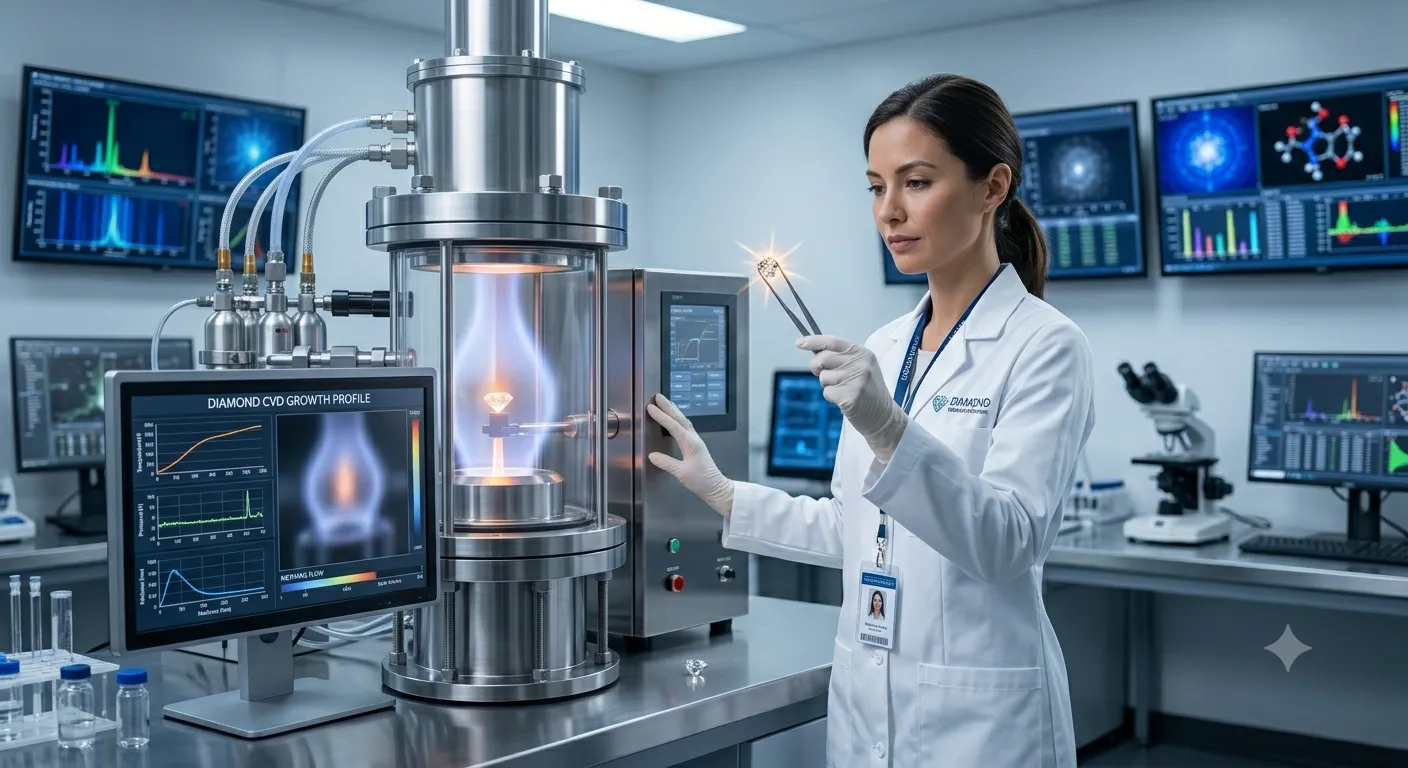
- Method: Inside a vacuum reaction chamber, carbon-rich gases (like methane) are introduced. Under high temperatures (approx. 800–1000°C) and microwave energy, the gas becomes ionized into a plasma state. This causes carbon atoms to precipitate like “snowflakes,” depositing layer upon layer onto a diamond substrate disk.
- Characteristics: Highly suited for growing larger carat weights (e.g., 3 carats and above) and generally yields excellent clarity. Some CVD stones may exhibit a slight color tint initially, which is later optimized and enhanced through subsequent HPHT treatment.
Authentication, Grading, and Certificates
Certification is the ultimate guarantee ensuring that your purchase is a lab-grown diamond actually a real diamond and not an imitation.
- Insist on Authoritative Labs: When purchasing, always demand an official grading report from world-renowned, independent gemological institutions, such as the IGI (International Gemological Institute), GIA (Gemological Institute of America), or local national jewelry quality testing centers. IGI certificates, in particular, are incredibly widespread, trusted, and authoritative in the cultured diamond industry.
- Clear Labelling on Reports: These certificates explicitly state “Laboratory-Grown” or “Laboratory-Created.” They record the exact 4Cs (Color, Clarity, Cut, and Carat Weight), specify the creation method (HPHT or CVD), and note whether any post-growth color treatments were applied.
Pricing and Affordability Guide
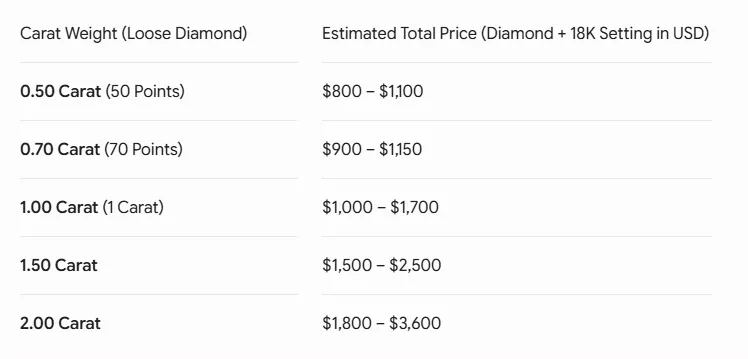
The defining advantage of lab-grown diamonds is their unparalleled cost-efficiency. Below is a realistic market estimate for complete rings (featuring a loose diamond set in an elegant 18K white gold band):
Navigating Buying Channels Safely
The market for cultured stones can be fragmented and unpredictable, making the choice of a trustworthy jeweler critical. Because inventory often sits with specialized upstream wholesalers or smaller independent custom shops, quality control varies widely. Unscrupulous vendors have been known to pass off Moissanite as genuine lab-grown diamonds.
If you are looking for custom engagement rings or fine jewelry, it is vital to source your stones from an experienced, established professional. I specialize directly in upstream wholesale diamond sourcing and bespoke custom ring crafting, and can guide you toward high-quality, fully certified stones that offer the best value for your budget. Feel free to follow me for professional recommendations; I won’t delve too deeply into those details here.
Are Lab-Grown Diamonds Worth Buying?
They are absolutely worth choosing—representing a true triumph of modern technology for everyday consumers.
- Empowering Consumers with Premium Options: They allow individuals who love the brilliance of a diamond but are working with a defined budget to proudly own a beautiful engagement ring or anniversary token without financial strain.
- A Masterclass in Smart, Rational Spending: If your priority is the stone’s physical beauty, daily wearability, and romantic symbolism—rather than its speculative financial resale value—then high-grade lab stones are the most logical choice. You can allocate the thousands of dollars saved toward a much larger, higher-quality stone, or save it for other major milestones in life.
- An Inevitable Future Trend: Cultured diamonds are capturing an expanding market share globally, a shift that is now entirely irreversible. They are rapidly becoming the preferred choice for modern buyers, particularly the younger generation.
Conclusion: In summary, is a lab-grown diamond actually a real diamond? Yes, it is real jewelry empowered by modern innovation. As long as you verify the quality via a reputable laboratory certificate and purchase from a reliable source, it stands out as an exceptionally smart, visually breathtaking, and contemporary choice.