Are Lab-Grown Diamonds Worth Anything? An Insider’s Honest Value Guide
Are lab-grown diamonds worth anything? This is one of the most common questions consumers ask before buying a lab-grown diamond engagement ring.
To truly answer whether lab-grown diamonds hold value, we must analyze the question from multiple angles. Value is subjective, and looking at it through different lenses provides the clearest picture.
While we will not dive deep into the technical definition of lab-grown diamonds here, it is crucial to emphasize that their physical, chemical, and optical properties are identical to those of natural diamonds. (For a deeper look into these attributes, please refer to our previous articles.)(what are lab grown diamonds)
When asking, “Are lab-grown diamonds worth anything?” the answer largely depends on your expectations. From a practical and decorative standpoint, they offer incredible value.
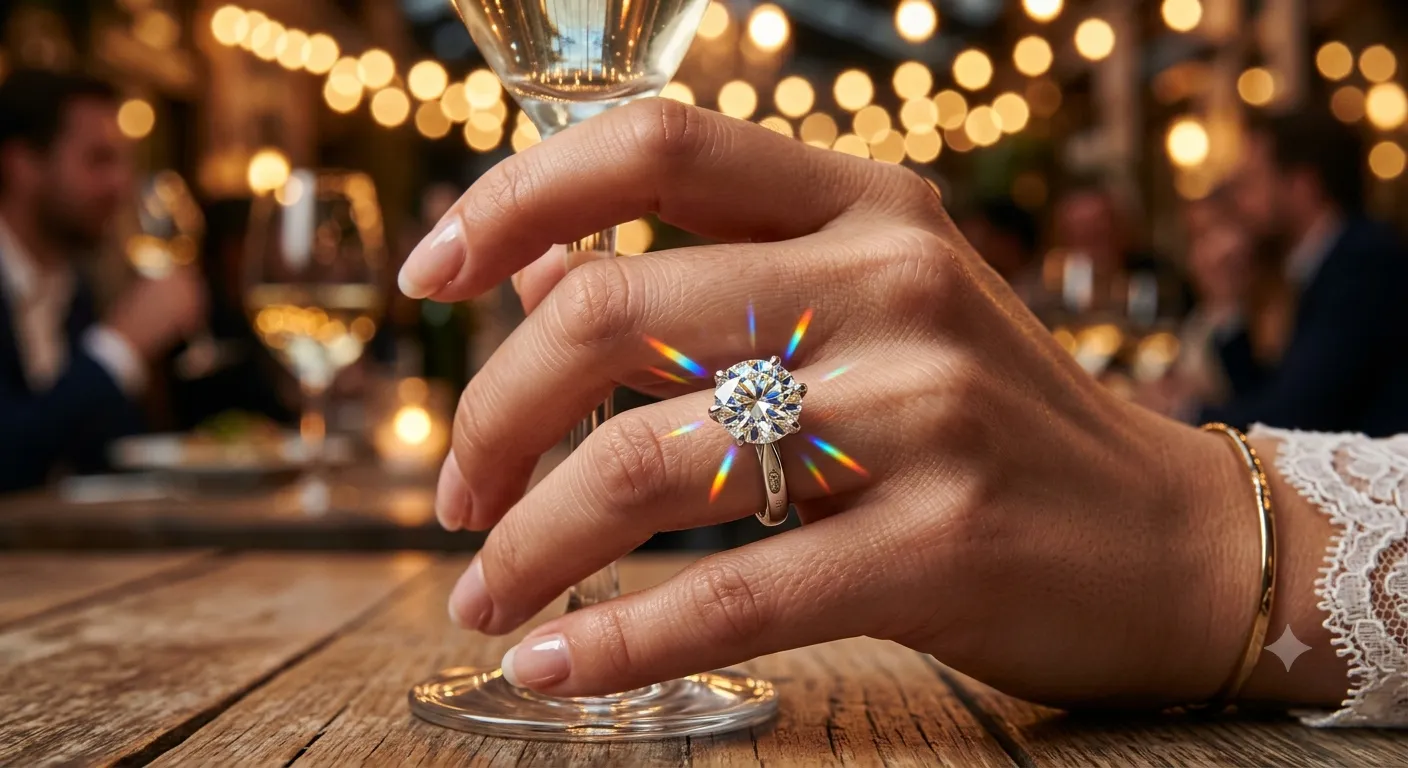
However, from a resale or investment perspective, they hold very little value. Ultimately, lab-grown diamonds possess high functional and aesthetic value but lack the financial retention, rarity, and investment value of natural stones.
The High Value of Lab-Grown Diamonds in Wearability and Technology
There are several reasons why lab-grown diamonds excel in practical and functional scenarios:
Identical Physical and Chemical Properties
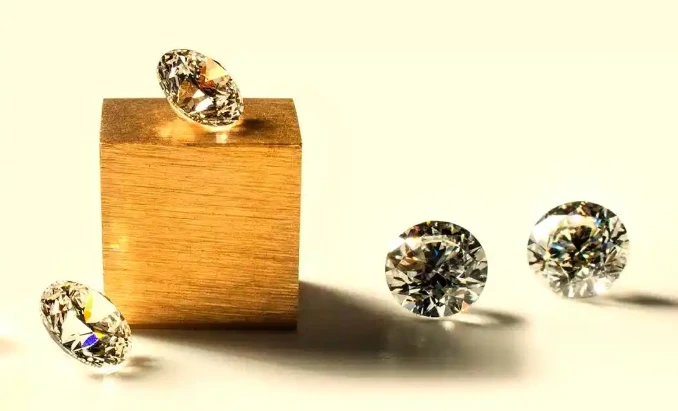
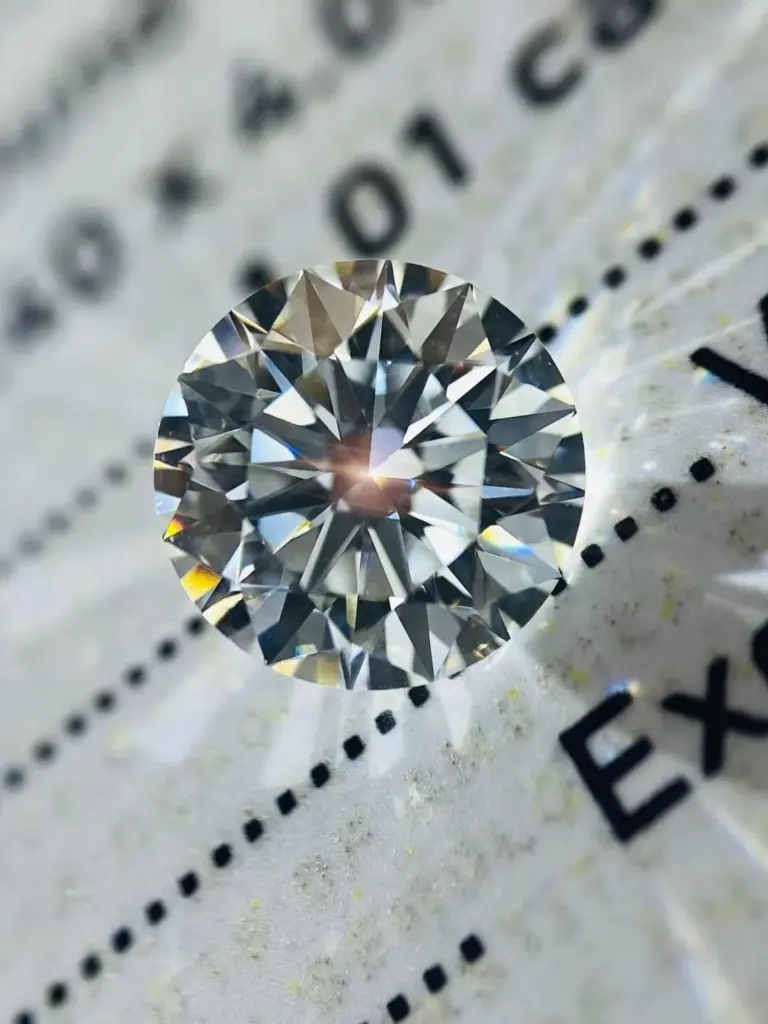
As repeatedly verified by gemological authorities, lab-grown diamonds share the exact same chemical composition (pure carbon), crystal structure, hardness (10 on the Mohs scale), and refractive index as mined diamonds. They are completely indistinguishable to the naked eye, offering the identical brilliance and fire of a natural stone.
Unbeatable Cost-Effectiveness
Because lab diamonds are produced efficiently in controlled laboratory environments, they can be scaled industrially.
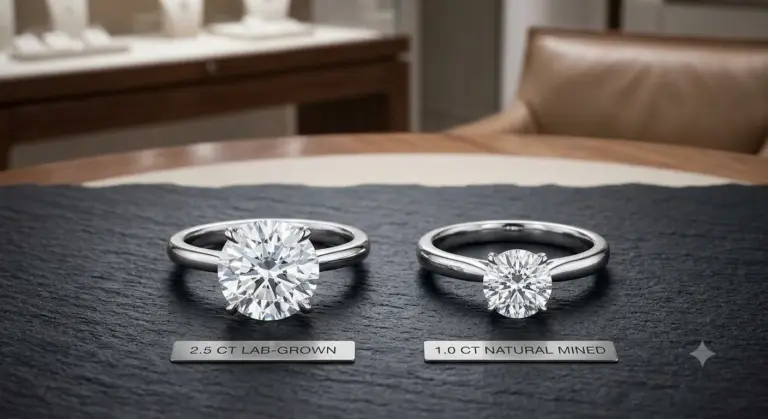
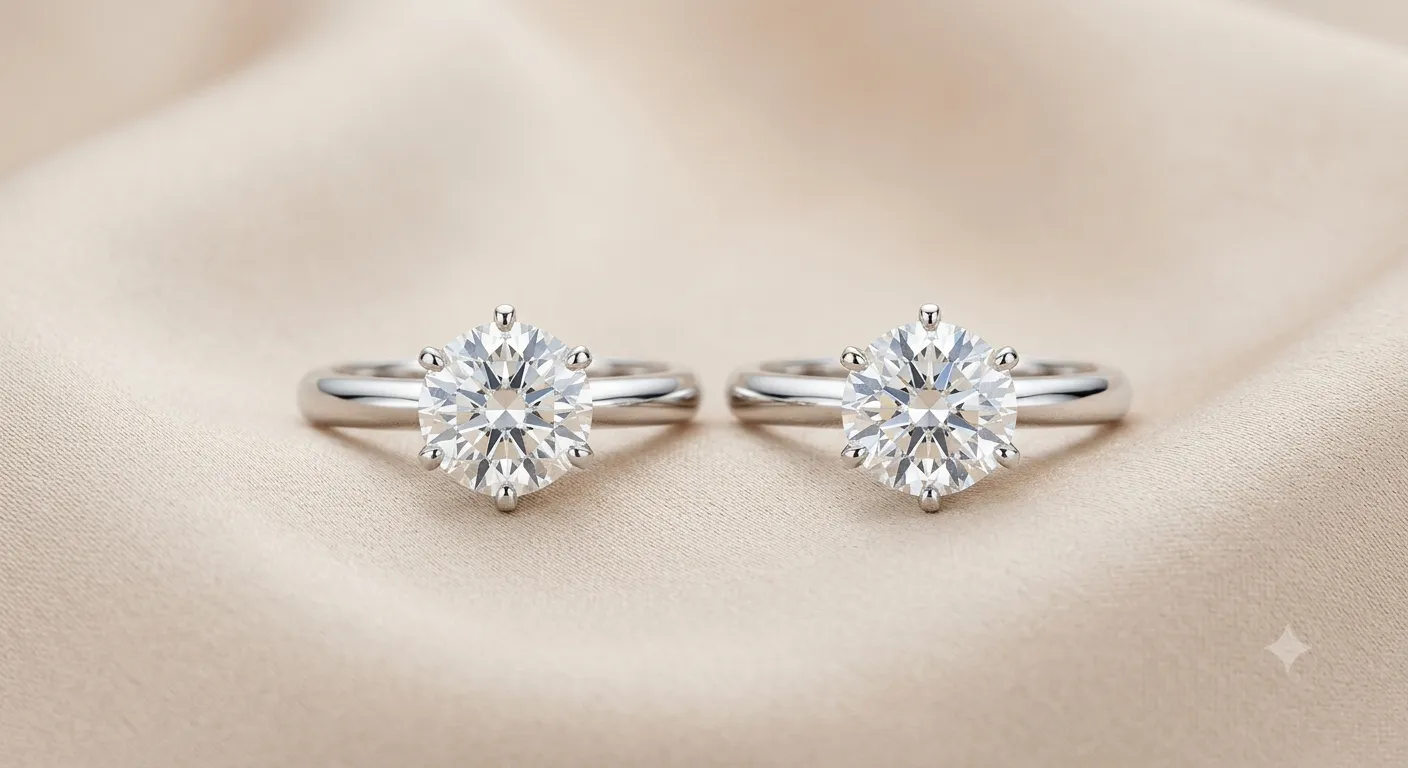
Consequently, their price is significantly lower than natural diamonds—typically costing only one-tenth or less. For buyers working with a specific budget, this allows for “carat freedom,” making them perfect for daily luxury and statement wear.
Eco-Friendly and Ethical Advantages
Cultivated in labs, these diamonds do not require massive mining operations that lead to severe environmental degradation. They carry a much lower carbon footprint and carry zero risk of being conflict or “blood diamonds,” aligning perfectly with modern eco-conscious and ethical consumerism.
Rising Industrial and Advanced Technology Value
With the exponential growth of Artificial Intelligence (AI), high-purity lab diamonds are becoming vital in advanced technology. As the ultimate thermal material, diamond boasts a thermal conductivity over five times higher than copper. It has become a critical component for thermal management in AI chips, high-power GPUs, quantum computing, and laser systems, opening up unprecedented value in aerospace and consumer electronics.

Why Lab-Grown Diamonds Lack Value in Asset Retention and Investment
If you approach this market strictly looking at financial assets, you might wonder: Are lab-grown diamonds worth anything in the long run? From this viewpoint, the answer is no.
Absence of Scarcity
Historically, natural diamonds derived their high investment value from their natural rarity, bolstered by highly successful marketing campaigns from diamond cartels. In contrast, lab-grown diamonds can be mass-produced.
As global manufacturing capacity continues to increase, supply rises, and market prices naturally trend downward, making them poorly suited as financial hedges.
Negligible Resale and Liquidity Value
Because lab-grown diamonds are industrial products, they carry very little liquidity in the secondary or pawn markets.
Put simply, a consumer looking for a secondhand lab diamond could likely buy a brand-new, larger stone for the same price. As a result, their trade-in or buyback value is extremely low, making them unsuitable as financial investments or generational heirlooms.
Conclusion: An Insider’s Buying Advice
To summarize, lab-grown diamonds serve as an excellent, high-quality alternative to natural diamonds for those prioritizing budget, daily wear, and aesthetic brilliance. However, if your primary goal is wealth preservation or inheritance, they fall short.
When to Buy a Lab-Grown Diamond
- You want a stunning piece of jewelry for daily wear, weddings, or special occasions to elevate your personal style.
- You want a larger, higher-quality stone (achieving “carat freedom”) within a sensible budget.
- You value environmental sustainability and ethical sourcing, and you have no intention of reselling the jewelry.
When to Avoid a Lab-Grown Diamond
- You view the purchase as a financial investment or expect the diamond to appreciate over time.
- You are looking for an asset to pass down through generations as a high-value heirloom.
When considering “Are lab-grown diamonds worth anything?” we hope this comprehensive breakdown helps guide your next decision. What are your thoughts on lab-grown stones? Feel free to leave a comment below, and let’s discuss!
References:
Lab grown diamonds – also known as “laboratory grown diamonds” or “lab created diamonds,” are produced using modern technology