How Are Lab-Grown Diamonds Formed?
Hello everyone, I’m“Carat Freedom”, specializing in lab-grown diamonds. Today, I’d like to ask you a question: How are lab-grown diamonds formed? Below, I’ll provide a detailed explanation of the process involved.
The Two Main Methods of Manufacturing Lab-Grown Diamonds
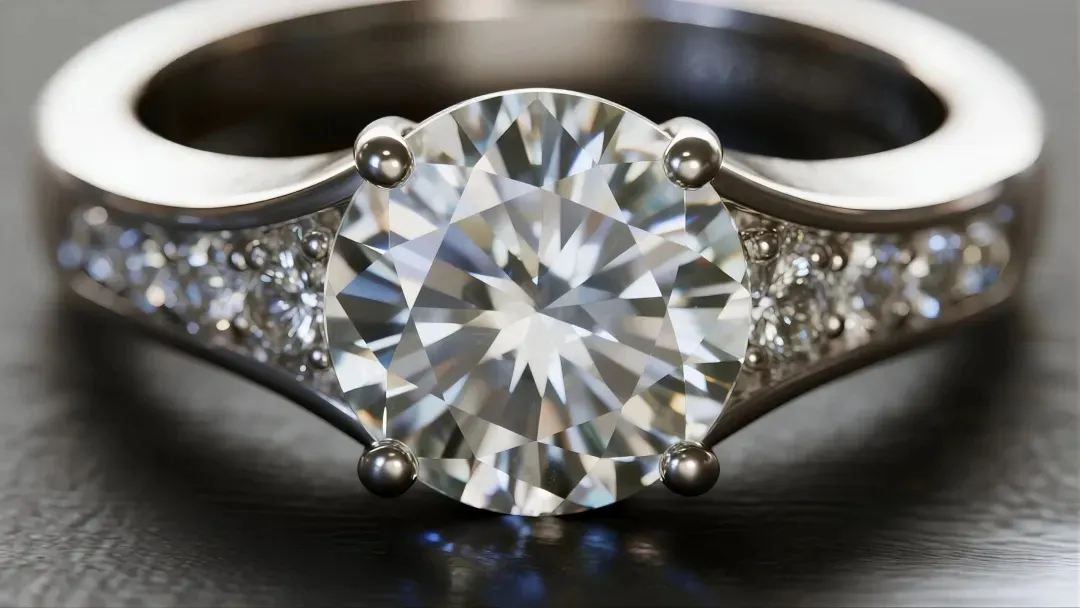
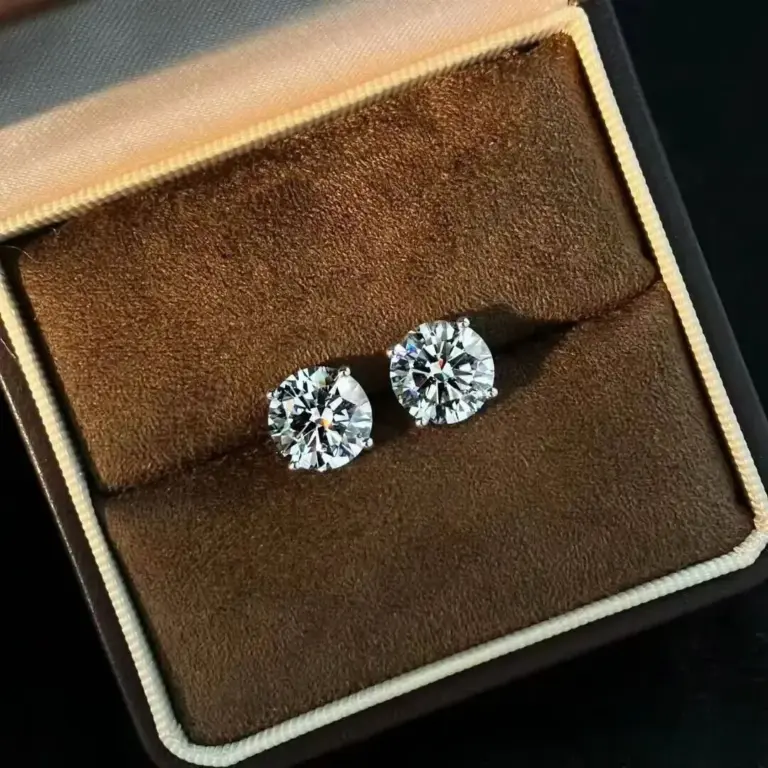
Synthetic diamonds, also known as lab-grown diamonds, are created by simulating the natural growth environment of diamonds in laboratories. Using advanced technologies, carbon atoms are deposited layer by layer onto diamond seeds, resulting in diamonds produced within a short timeframe.
Its chemical composition, physical properties, and crystal structure are identical to those of natural diamonds. Currently, there are two mainstream methods for manufacturing synthetic diamonds: the High-Pressure High-Temperature (HPHT) method and the Chemical Vapor Deposition (CVD) method. Pure carbon crystals with exact structural and compositional similarities to natural diamonds can be produced within just a few weeks.
How Are Lab-Grown Diamonds Formed?
High Temperature and High Pressure Method: Simulating the High Temperature and High Pressure Conditions Deep Under the Ground
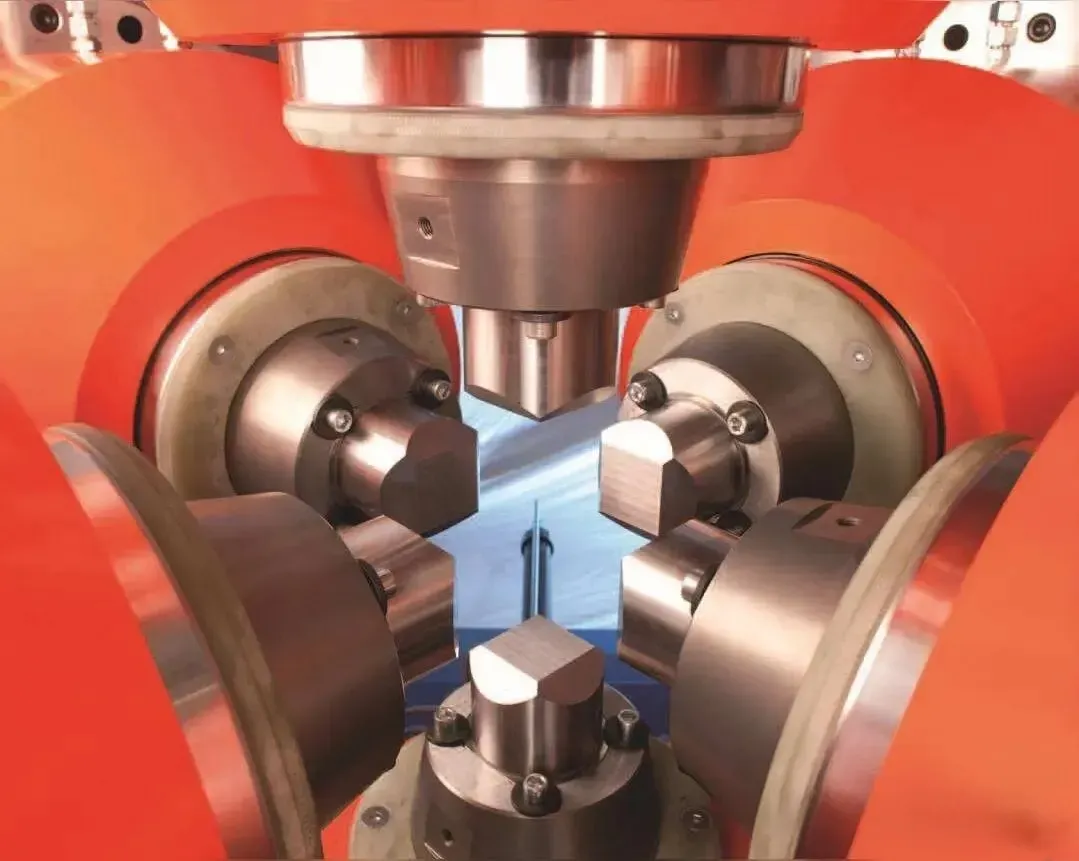
This method most closely resembles the formation conditions of natural diamonds.
1. Prepare the raw materials: Place a diamond seed crystal and a high-purity graphite carbon source (e.g., carbon powder) into a large press chamber.
2. Environment Creation: Utilizing a massive hydraulic system, an extremely high pressure of over 5.5 gigapascals (equivalent to the pressure at depths of 150–200 kilometers underground) is generated. Simultaneously, electric heating raises the temperature to 1300–1600 degrees Celsius.
3. Catalytic Growth: Under the action of metal catalysts (such as iron, nickel, or cobalt), graphite carbon atoms dissolve into the molten metal and gradually diffuse onto the diamond seed crystal in the low-temperature, high-pressure region. These atoms then arrange themselves in an orderly atomic structure, layer by layer, forming the diamond crystal. The entire process typically requires several days to several weeks.
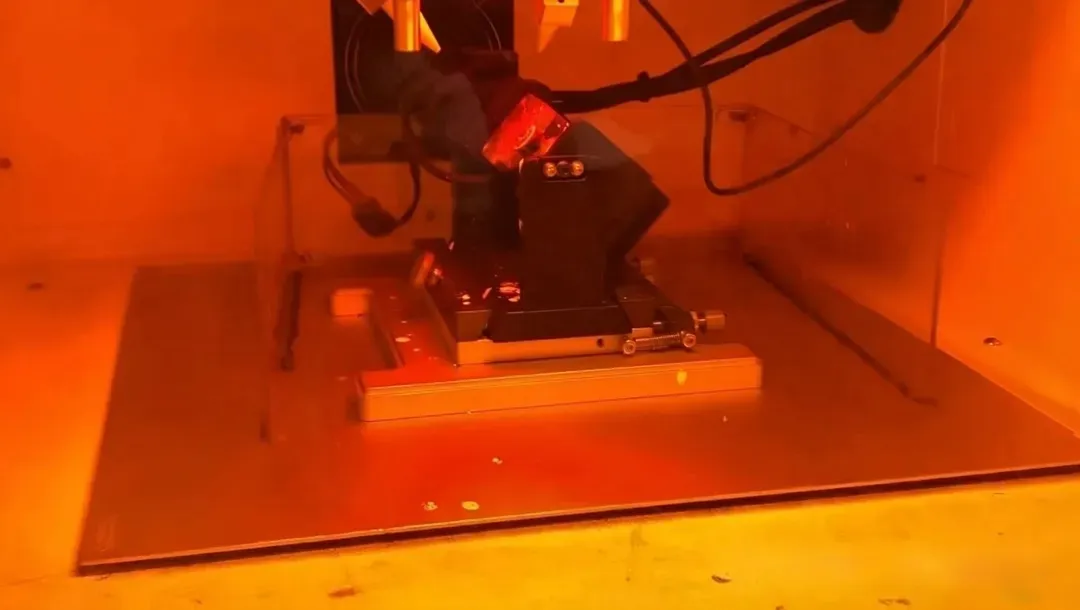
Principle: The core principle of this method involves artificially simulating the high-temperature and high-pressure conditions found deep underground (approximately 150 kilometers) in natural diamonds to produce synthetic diamonds.
Process: In the cultivation chamber, graphite (carbon source) and a metal catalyst are heated to 1300
–1600°C under ultra-high pressure, causing the carbon atoms to melt and crystallize onto the seed crystals.
Characteristics: The crystal morphology is relatively regular, primarily used for mass production, and commonly serves as industrial-grade or large-grain jewelry-grade raw material.
Chemical Vapor Deposition Method: “Planting” under Vacuum Conditions
The CVD method is more akin to a “gas deposition” process on the substrate.
1、Prepare the reaction chamber: Place a thin diamond seed crystal as the substrate in a highly evacuated deposition chamber.
2. Gas injection: Carbon-containing gas (typically methane) and hydrogen are injected into the chamber, and the gases are ionized using microwave or heating wire techniques to form a carbon-rich plasma.
3. Deposition and Crystallization: Under relatively low pressure and temperature (approximately 700–1000°C), carbon atoms in the plasma deposit uniformly onto the diamond seed crystal like snowflakes, growing layer by layer according to the diamond’s crystal structure. This process also requires several weeks.
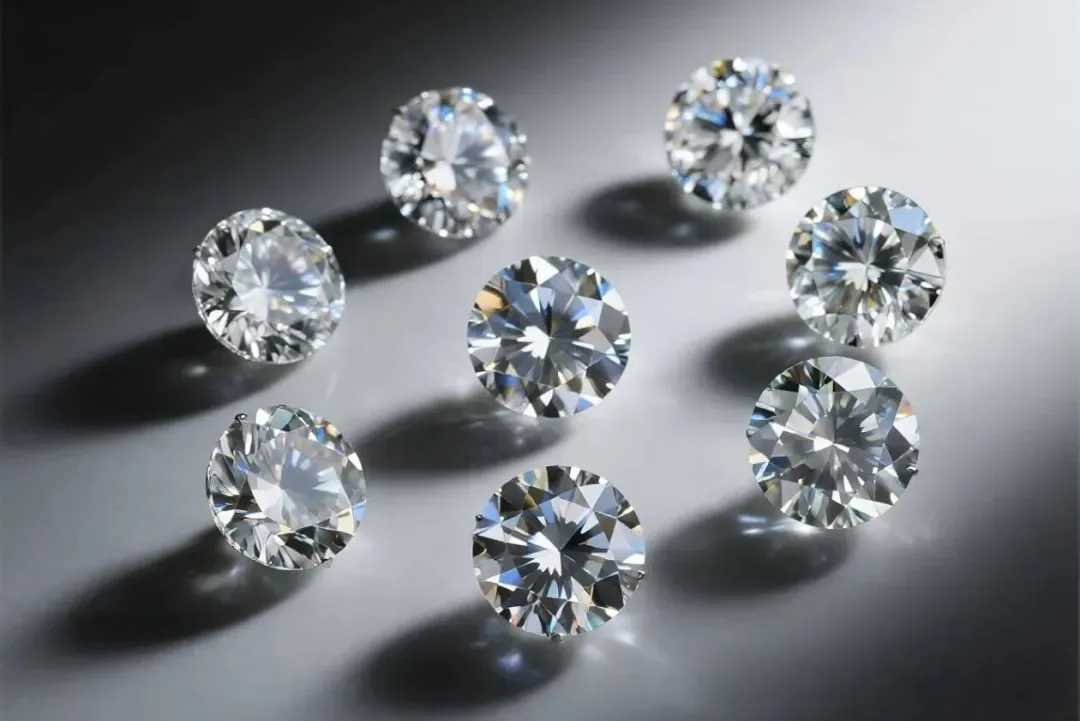
Principle: Utilizes the decomposition of carbon-containing gases (e.g., methane) under low-pressure conditions, with each carbon atom being deposited sequentially.
Process: Place the thin diamond seeds into a vacuum chamber, where methane and hydrogen are introduced. Under high-energy irradiation (e.g., microwave), the gases decompose into carbon atoms, which then deposit layer by layer onto the seed crystal, gradually forming a diamond structure on the substrate.
Features: Rapid generation speed, robust quality control, and predominantly cubic crystal morphology—making it ideal for high-quality jewelry-grade diamonds.
Characteristics of Lab-Grown Diamonds
- Identical physical and chemical properties
- Lab-grown diamonds possess exactly the same physical, chemical, and optical properties as natural diamonds, as both are composed entirely of pure carbon. Therefore, lab-grown diamonds are identical to natural diamonds in every respect.
- Lab-grown diamonds have a short growth time
- The formation of natural diamonds requires extremely complex geological structures, a process that takes thousands or even tens of thousands of years, and relies on the coincidence of multiple natural factors. In contrast, the growth of lab-grown diamonds is controllable and takes a much shorter time.
- Growth templates: Regardless of the method used to create lab-grown diamonds, a tiny natural or synthetic diamond seed crystal is required as the core for growth.
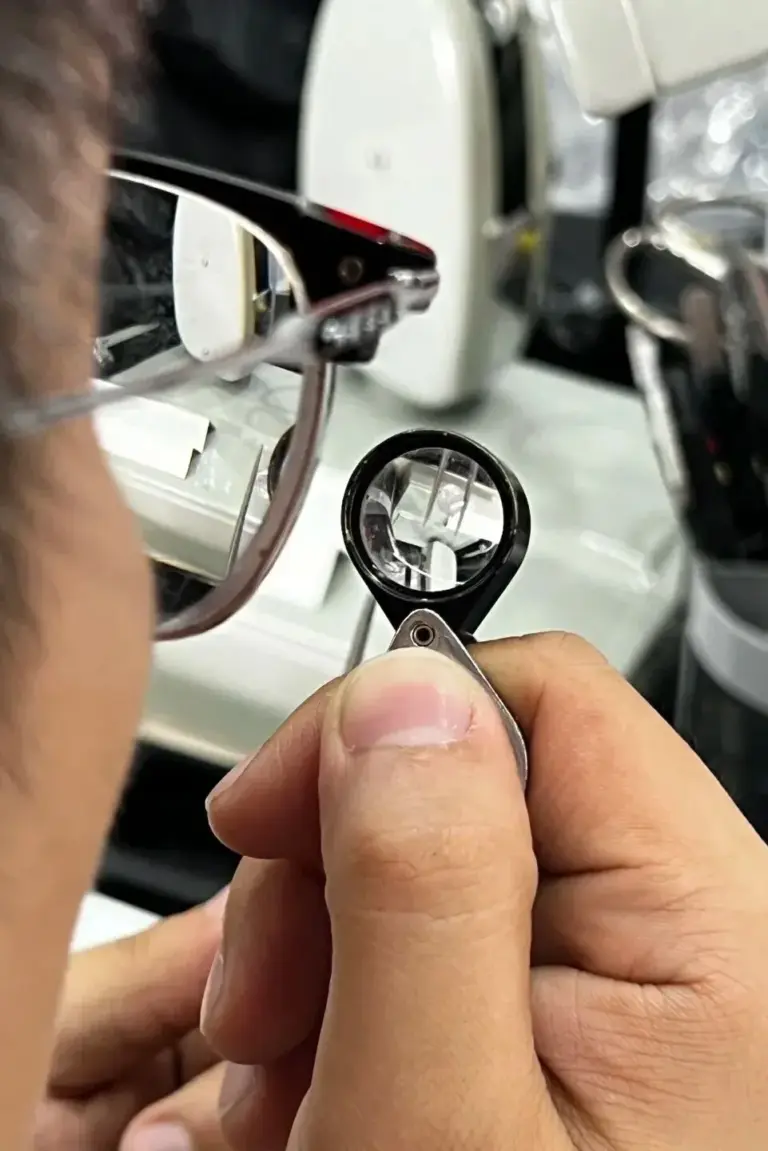
- Differences in identification: It is absolutely certain that lab-grown diamonds cannot be distinguished from natural diamonds with the naked eye. However, due to their different formation processes, professionals can use specialized instruments to identify which diamond is lab-grown by examining differences in their internal growth structures.
Post-processing and Value Enhancement of Diamonds
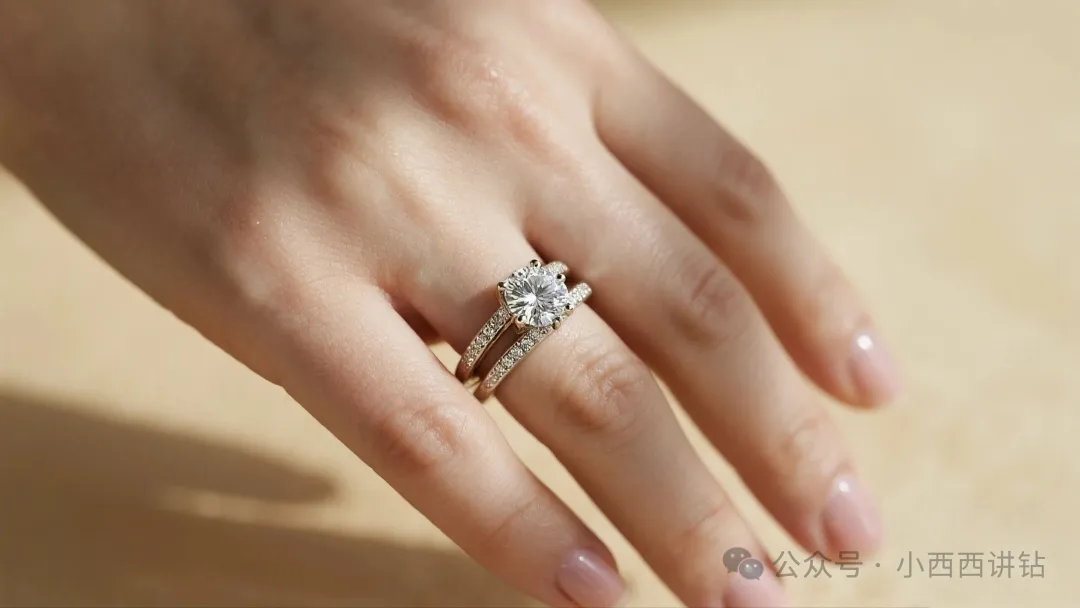
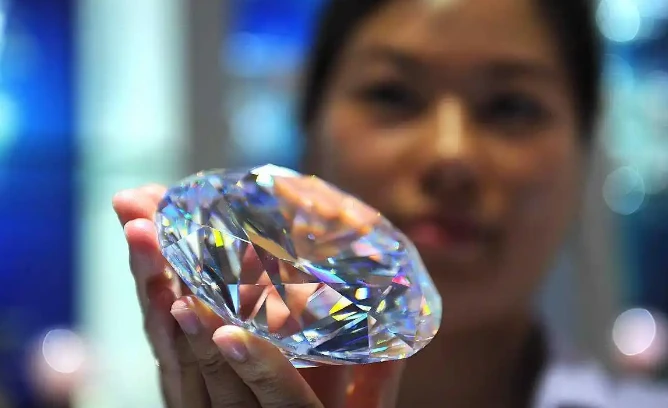
Regardless of the method used, lab-grown rough diamonds must undergo the same cutting, grinding, and polishing processes as natural diamonds before they can be transformed into dazzling jewelry.
The emergence of lab-grown diamonds not only offers consumers more diverse and sustainable options but has also greatly advanced the application of diamonds in high-tech industries. It perfectly demonstrates that human ingenuity is capable of recreating, within the confines of a laboratory, the miracles that nature takes millions of years to achieve.