Lab Grown Diamonds vs Natural Diamonds Differences: Ultimate Buying Guide
Many diamond shoppers still don’t fully understand the lab grown diamonds vs natural diamonds differences. What exactly sets them apart? In reality, lab-grown diamonds are a marvel of modern “black technology.” Aside from their growing environments, there is virtually no physical difference between them! However, many beginners who don’t know the facts end up overpaying.
To help you make an informed choice, let’s break down the core lab grown diamonds vs natural diamonds differences across four key areas.
1、The Formation Process
The most fundamental lab grown diamonds vs natural diamonds differences lie in how they are created.
- Natural Diamonds: These are formed deep within the Earth, typically in the mantle rocks at depths of 150 to 200 kilometers. They naturally crystallize from carbon elements under extreme pressure and high-temperature environments over hundreds of millions—or even billions—of years.
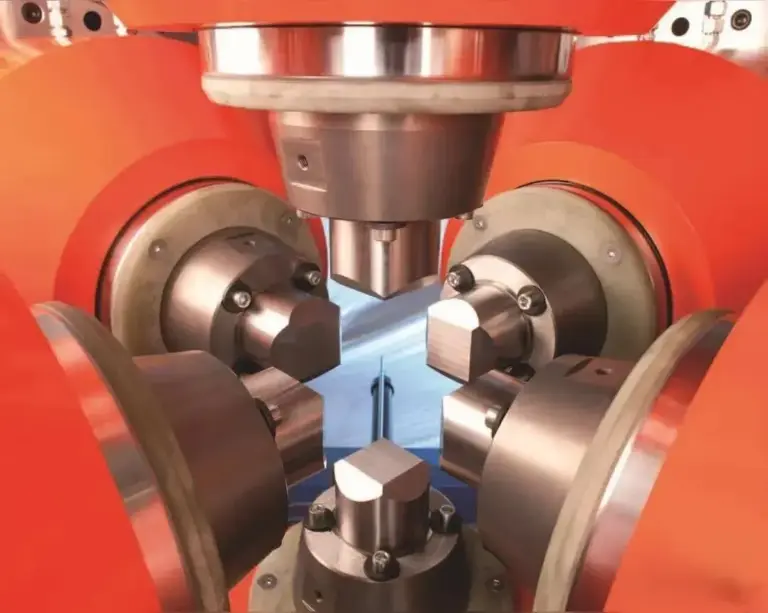
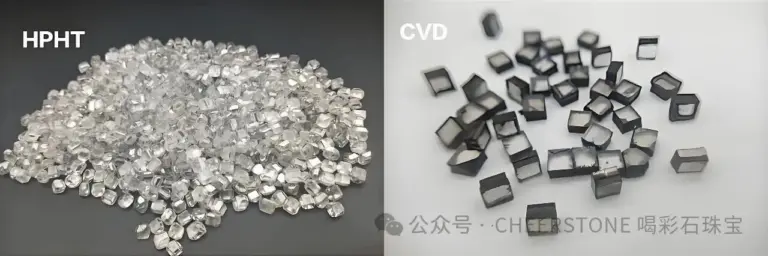
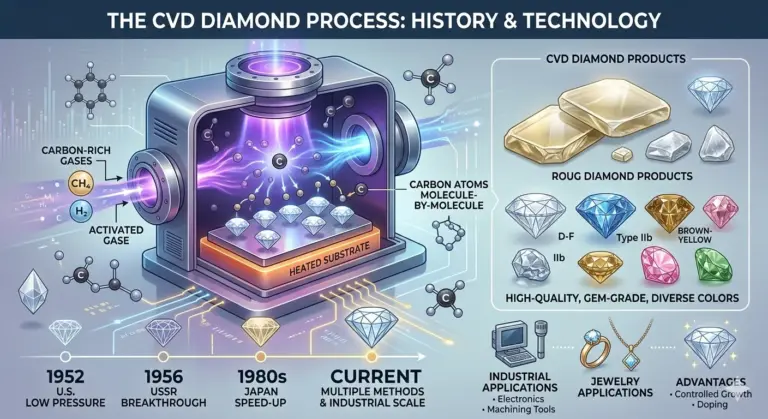
- Lab-Grown Diamonds: These are produced in controlled laboratory environments using advanced technological methods. Scientists simulate natural diamond-growing conditions using two primary techniques: HPHT (High Pressure High Temperature) and CVD (Chemical Vapor Deposition) to make carbon atoms crystallize into diamonds.
Retail Price Differences
In recent years, the lab-grown diamond market has evolved rapidly. As production capacity continues to scale up, prices have dropped significantly. Today, some lab-grown options cost only about one-tenth of their natural counterparts, highlighting one of the biggest lab grown diamonds vs natural diamonds differences.
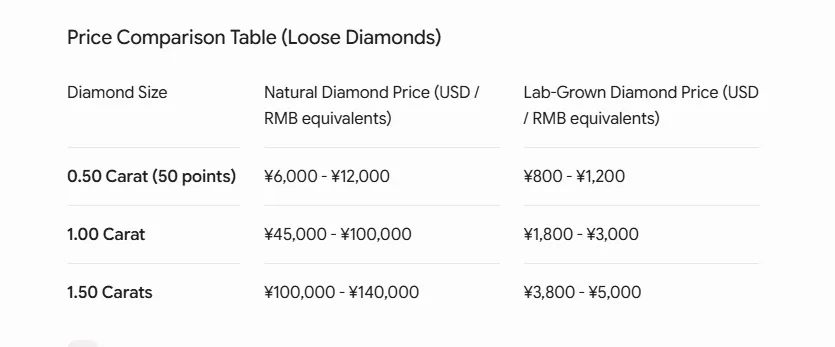
Note: The prices listed above are for loose stones. Once set into jewelry (like engagement rings), retail prices will naturally increase due to craftsmanship, settings, and brand markups.
3、Grading Certificate Differences
A certificate acts as a diamond’s official identity card, and it clearly reflects the lab grown diamonds vs natural diamonds differences.
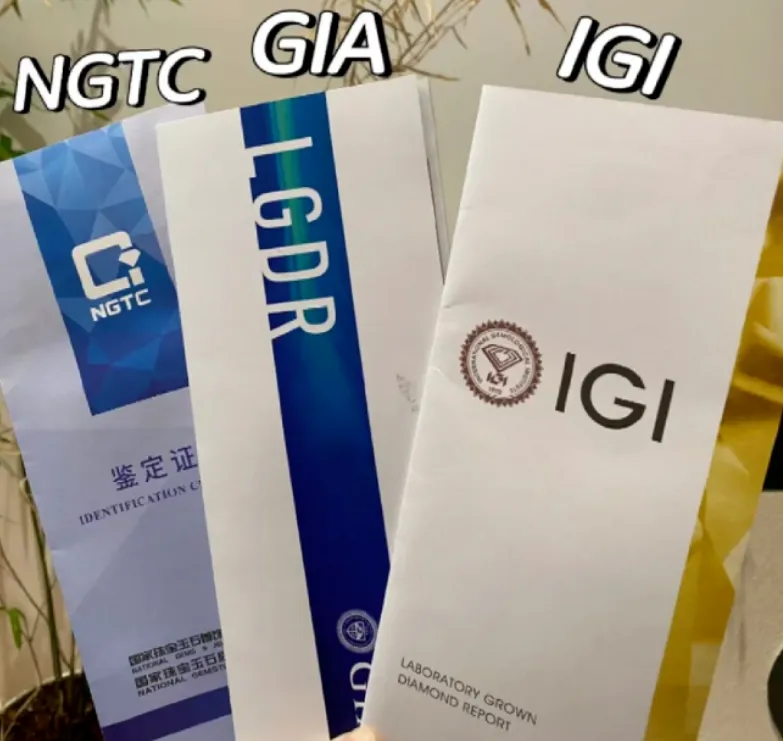
When you purchase a diamond, its origin will be explicitly disclosed. Lab-grown diamond certificates will always prominently feature the note “Laboratory-Grown”, along with its specific quality grades.
Lab-Grown Diamonds: Mostly certified by the IGI (International Gemological Institute). Because IGI began grading laboratory-created gems much earlier than other labs, it remains the mainstream choice.
Within the industry, IGI Shanghai is known for strict standards (making it hard to get downgraded upon re-examination), while IGI India is considered slightly less precise. In China, the NGTC certificate is even stricter and highly trusted for domestic lab-grown diamonds.
Natural Diamonds: Typically certified by the GIA (Gemological Institute of America), which remains the gold standard for natural stones.
4、Market Trends and Resale Value
The long-term market outlook highlights further lab grown diamonds vs natural diamonds differences:
Natural Diamonds: Due to shifting consumer mindsets, natural diamonds are losing their value-retention appeal, leading to a noticeable decline in their overall market share.
Lab-Grown Diamonds: Because production capacity is virtually limitless, supply will continue to rise, and prices are expected to keep dropping. This is especially true for large-carat lab diamonds, which will become even more affordable.
For everyday wear, lab-grown diamonds are an excellent, highly aesthetic, and budget-friendly choice. If you aren’t purchasing a diamond for investment, collection, or wealth preservation, lab-grown is the way to go.
How to Buy Lab-Grown Diamonds
If you feel natural diamonds are overpriced and you view jewelry as a purchase for personal joy rather than investment, lab-grown diamonds are highly recommended.
When shopping, you can evaluate them using the exact same 4Cs system used for natural diamonds:
- Carat (Size): 1 Carat = 100 points. Common commercial sizes include 30 points, 50 points, and 70 points.
- Clarity: Measures internal and external flaws. The scale ranges from highest to lowest: FL, IF, VVS1-VVS2, VS1-VS2, SI1-SI2, I1-I3.
- Color: Rated by letters. D, E, F are colorless and premium, while G, H offer the best value for money.
- Cut: Evaluated on cut grade, polish, and symmetry. Better cuts yield higher brilliance and prices.
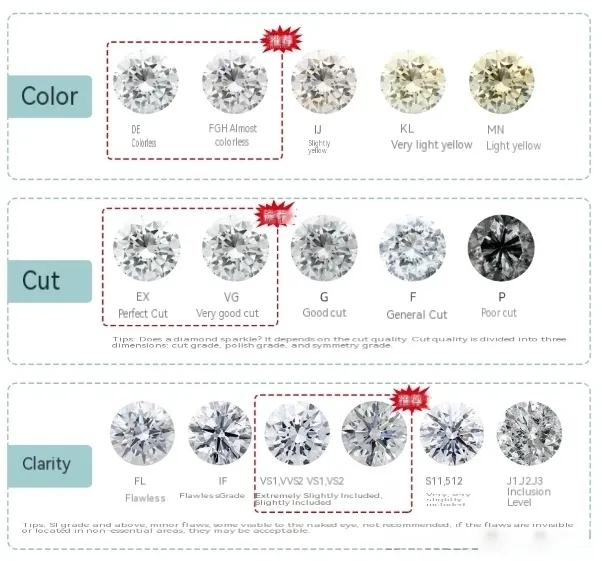
Key Takeaway: The Foolproof 4Cs Buying Range
To get the best look without overpaying, aim for these specs:
- Color: D, E, F, or G
- Clarity: VS to VVS
- Cut: For round brilliant diamonds, look for 3EX / Ideal (ID). For fancy shapes (oval, pear, radiant, etc.), 2VG, EX-VG, or 2EX are perfectly acceptable.
Conclusion
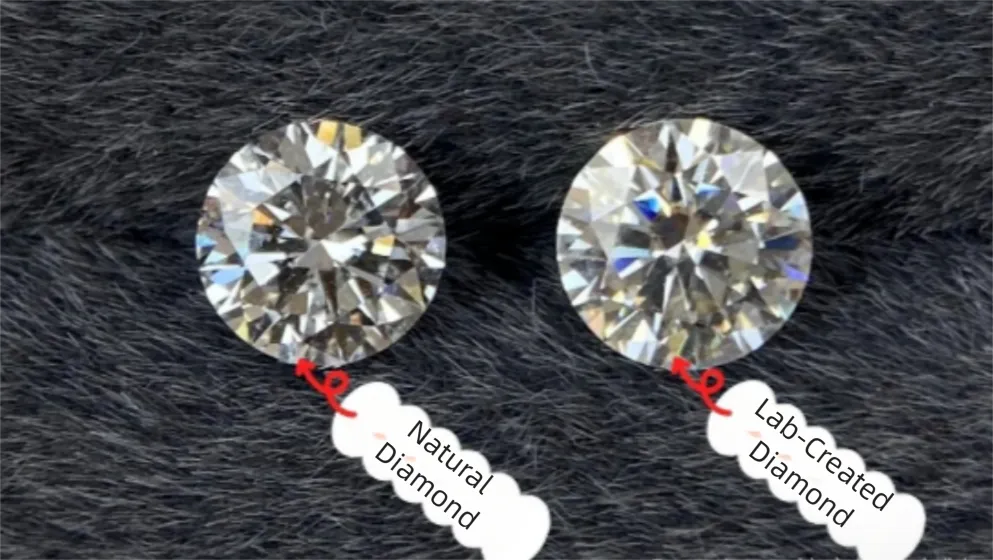
To be completely honest, when it comes to visual performance, there are absolutely no naked-eye lab grown diamonds vs natural diamonds differences. Even professional jewelers and bench goldsmiths cannot tell them apart without specialized gemological testing equipment or checking the laser inscription on the girdle under a loupe.
Because lab-grown diamond prices are on a downward trend, my advice is simple: if you need it right now (e.g., for an upcoming wedding), buy it now. If you don’t have an immediate need, you can wait and see if prices drop further. Ultimately, if the current price fits your budget, go for it—there’s no reason you shouldn’t start enjoying the stunning brilliance of a diamond today!