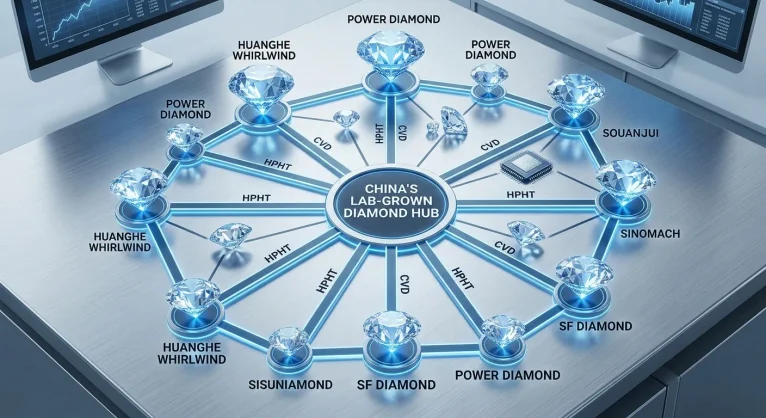
HPHT vs CVD Lab Diamonds: Which is Better for Engagement Rings?
Many people interested in purchasing lab-grown diamonds come across two main production methods—HPHT and CVD—while researching online. This can be confusing, leaving them unsure which method produces better diamonds. Today, we’ll discuss which is better when buying a lab-grown diamond ring: HPHT vs CVD.
In reality, diamonds certified from both methods are 100% real diamonds. They share the same chemical composition, physical properties, and hardness as natural diamonds. When analyzing HPHT vs CVD, the core differences lie solely in their growth tech and ideal use cases.
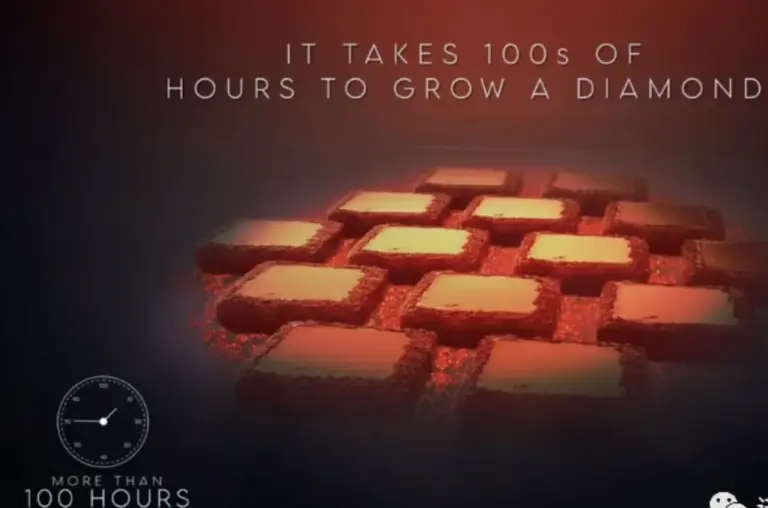
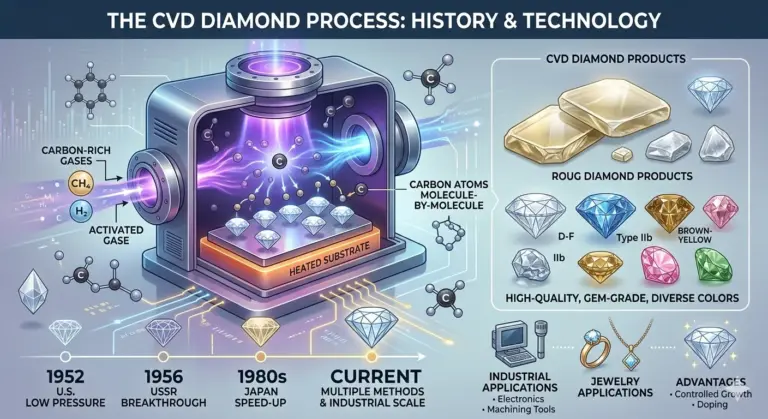
Before diving into the comparison, let’s understand the science. HPHT (High Pressure High Temperature) mimics the Earth’s natural environment using extreme pressure, heat, and a metal catalyst to grow a diamond in days. On the other hand, CVD (Chemical Vapor Deposition) uses a vacuum chamber to break down carbon-rich gases, allowing carbon atoms to sediment layer by layer over 2 to 6 weeks.
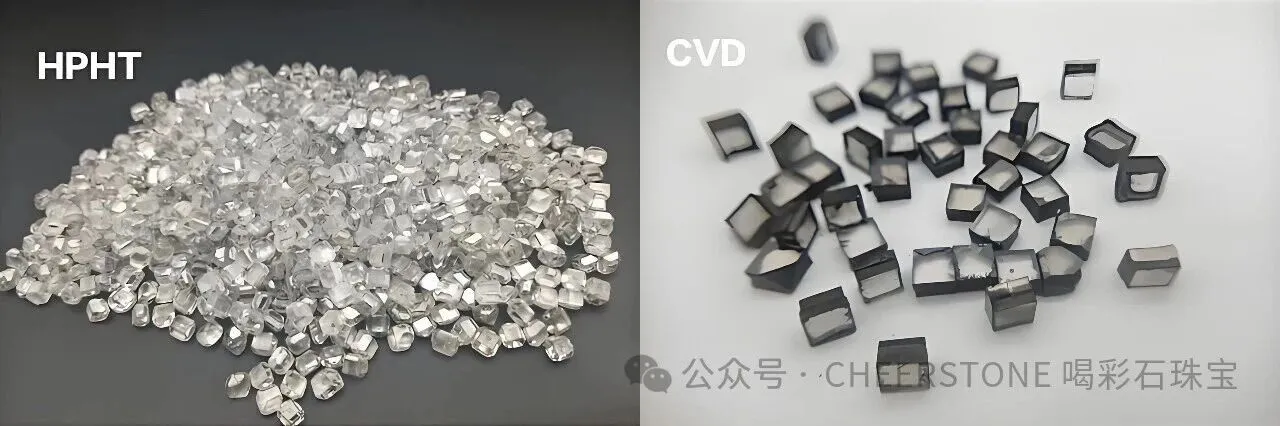
To choose the right gemstone, here is a detailed breakdown of the HPHT vs CVD differences and advantages.
Key Differences in the HPHT vs CVD Debate
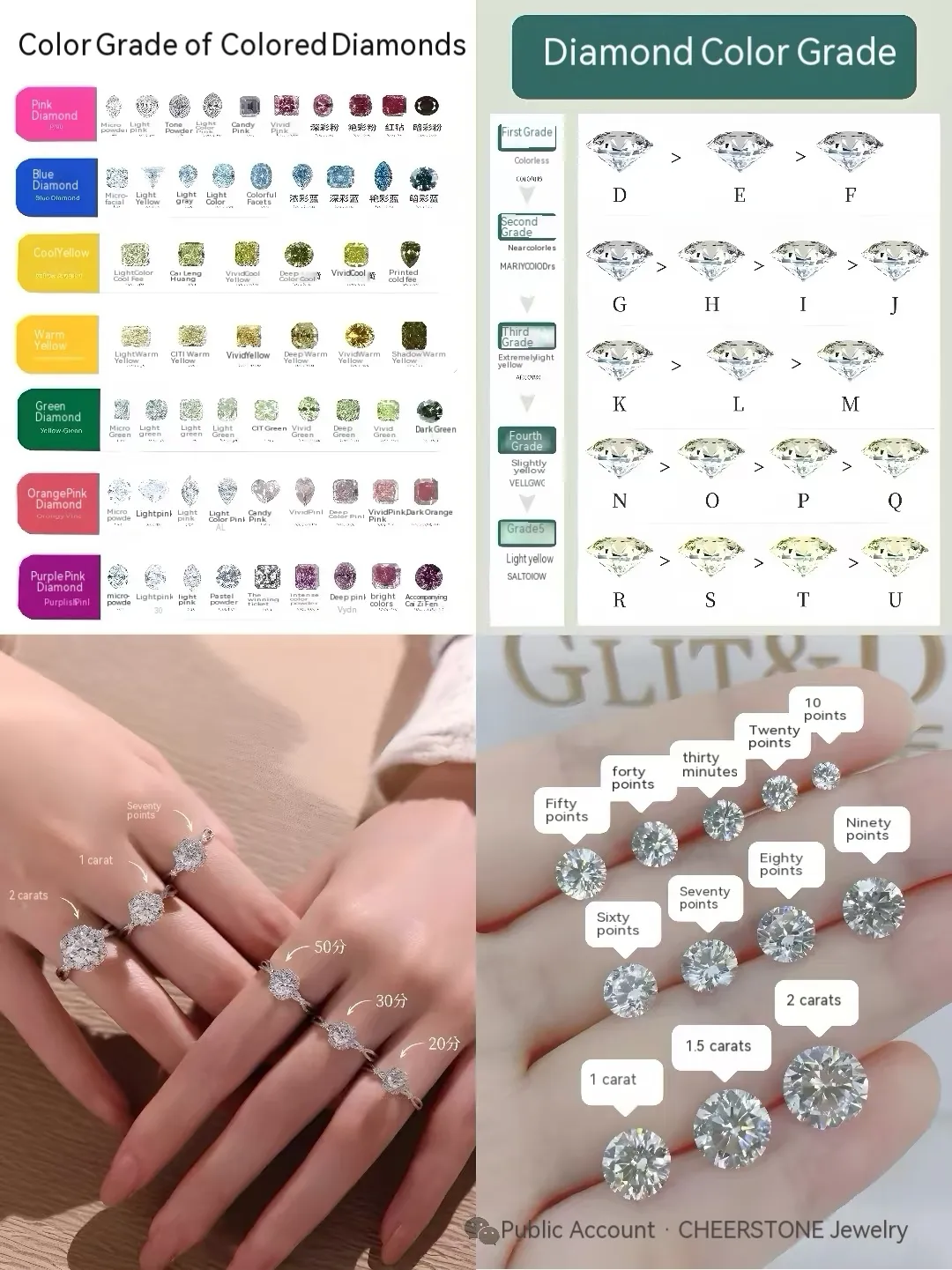
- Color: The HPHT vs CVD color outcomes vary significantly. CVD excels at producing D-F colorless white diamonds that look pure and icy. HPHT diamonds often carry a subtle yellowish or greenish undertone, making top-tier colorless stones rarer. However, HPHT is the absolute champion for vibrant, fancy colored diamonds (like intense pinks and yellows).
- Clarity: CVD diamonds generally feature non-metallic, microscopic cloud inclusions that are invisible to the naked eye and often score VS or higher. HPHT diamonds are prone to tiny metallic inclusions from the flux catalyst, which can lower clarity in larger carat sizes.
- Carat & Price: CVD technology is highly efficient at producing large 3- to 5-carat diamonds, making them 15% to 30% pricier than HPHT equivalents. HPHT is highly cost-effective for smaller accent stones under 1 carat, offering unbeatable value for everyday jewelry.
- Market Share: Currently, CVD dominates over 75% of the premium colorless diamond market, while HPHT leads the budget-friendly small carat and fancy colored diamond sectors.
HPHT vs CVD: How to Choose Based on Your Needs
When evaluating HPHT vs CVD, there is no absolute winner—only the one that fits your goals:
- Choose CVD if: You want a large, icy-white diamond ring with D-F color, high clarity (VVS/VS), and maximum transparency, with a flexible budget.
- Choose HPHT if: You are shopping for a budget-friendly engagement ring under 1 carat, seek the best price-to-performance ratio, or want a customized yellow or pink diamond.
Smart Buying Tips for Lab-Grown Diamonds
Regardless of where you stand on HPHT vs CVD, the golden rule of diamond buying remains the same: focus on the 4Cs (Cut, Color, Clarity, and Carat weight). Always demand a reputable grading report from the IGI or GIA to ensure the stone has no undisclosed post-growth treatments or color enhancements.
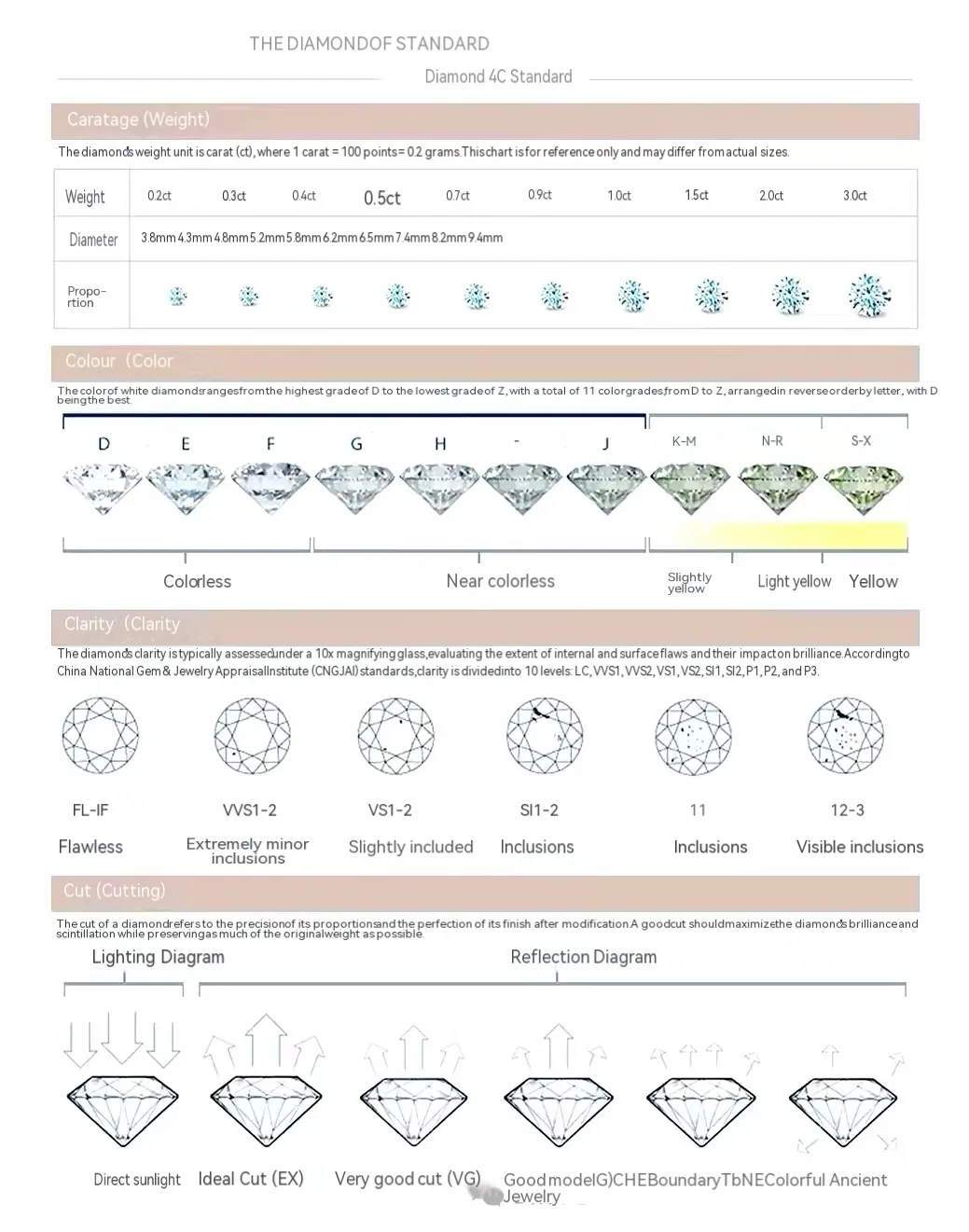
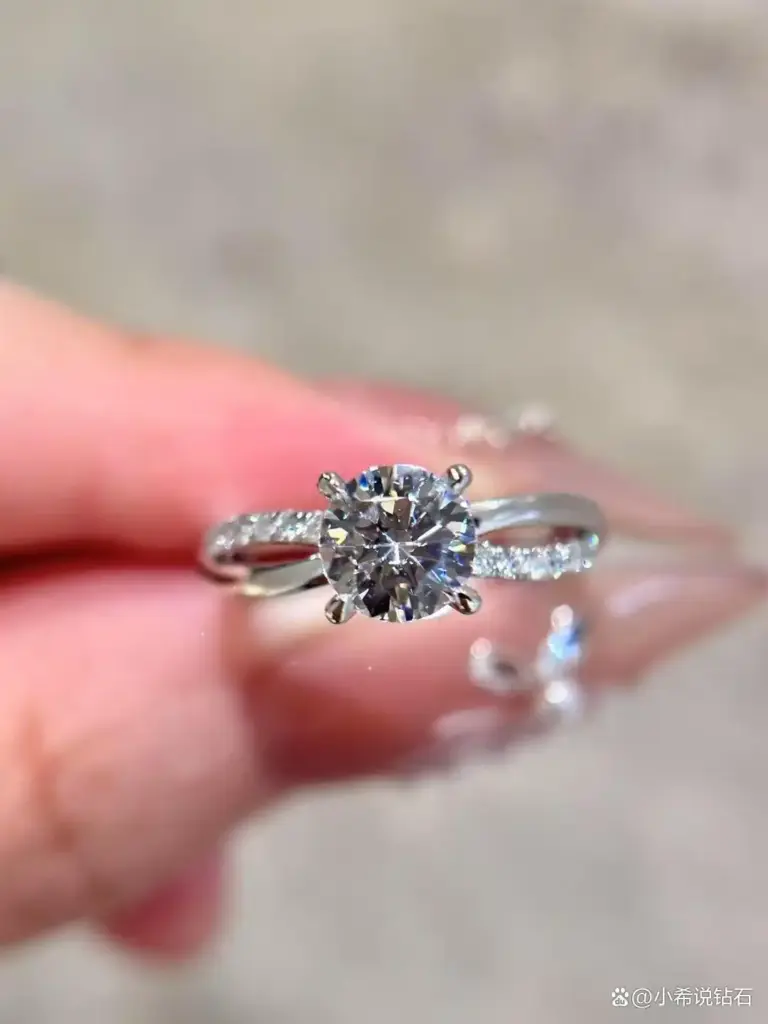
To the naked eye, a well-cut diamond from either process will look spectacular. Ultimately, the HPHT vs CVD choice shouldn’t cause analysis paralysis. Don’t let technical jargon distract you—focus on your budget and aesthetic preferences to find the ring of your dreams!
Recommended Reading:
CVD Diamond Growth Process: Step-by-Step Manufacturing Guide
How HPHT Lab-Grown Diamonds Are Made | Full Factory Production Process