How HPHT Lab-Grown Diamonds Are Made | Full Factory Production Process
“A diamond is forever”—we’ve all heard this slogan, but with diamonds often costing tens of thousands of yuan, the dream of owning one remains out of reach for most people.
However, in recent years, “lab-grown diamonds” have emerged as a major contender. While their prices are a world apart from those of natural diamonds, their fire and hardness are identical. But as a consumer, you probably have a lot of questions:
Today, we’ll take a detailed look at one of the primary methods used in lab-grown diamond production—the HPHT process—and how it creates these brilliant, sparkling diamonds. So, the topic of today’s article is: “The HPHT Lab-Grown Diamond Production Process.”
Below, we’ll take you on a tour of our own manufacturing facility, using footage from across the entire supply chain to unveil the secrets behind lab-grown diamonds.
Are lab-grown diamonds real diamonds? Let the science speak for itself.
Before we head into the workshop to begin our demonstration, we must first address this key concern.
When you hear the term “lab-grown,” your first thought is probably that it refers to “fake diamonds” or imitations (such as moissanite or cubic zirconia). In fact, this is a huge misconception.
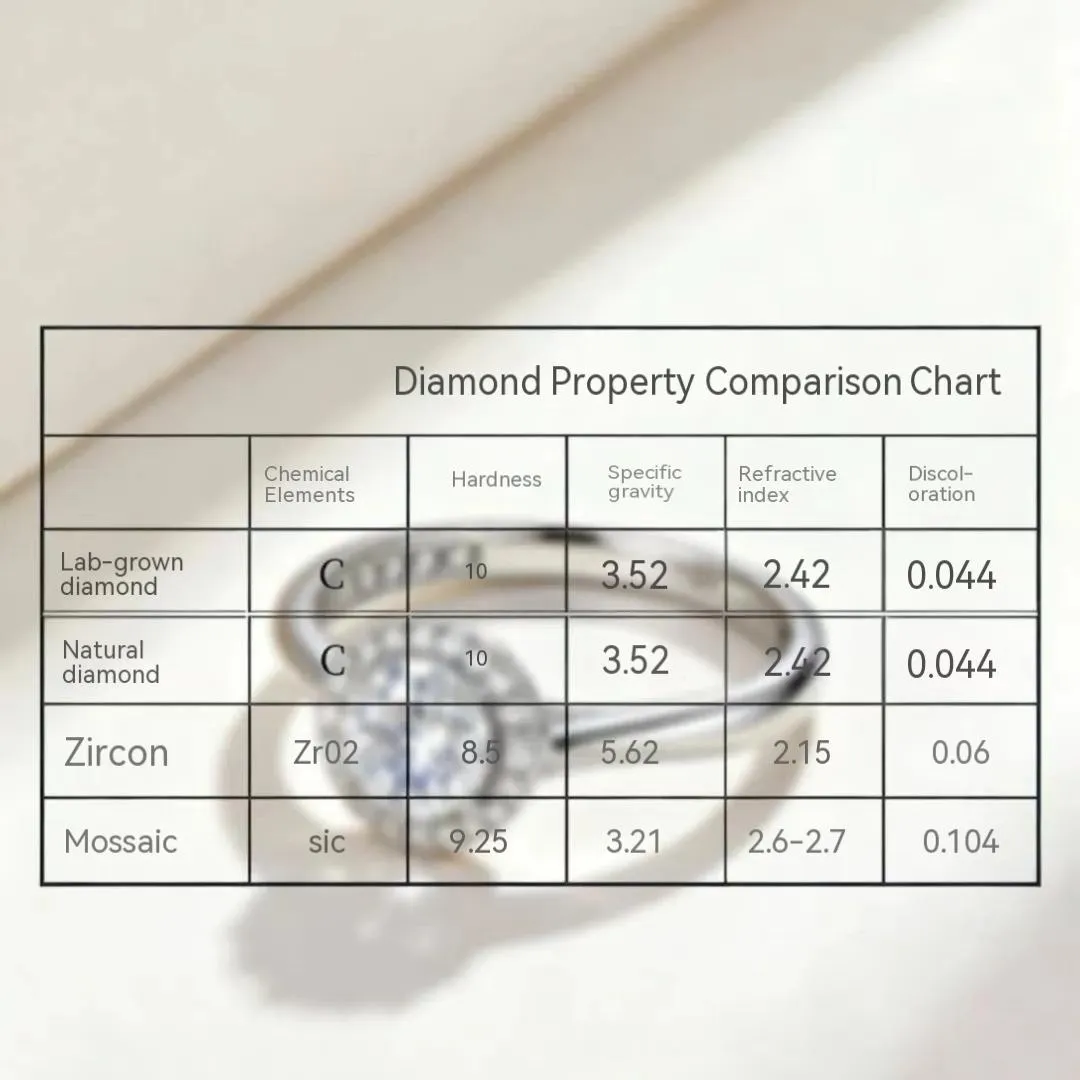
As shown in the table above, lab-grown diamonds and natural diamonds are identical in terms of their physical, chemical, and optical properties. Both are composed of pure carbon (C), have a hardness of 10, and share the same refractive index.
In short, lab-grown diamonds are real diamonds. The relationship between them can be understood as ”ice in a river” versus “ice in a freezer.” One is the product of billions of years of natural processes, while the other is “grown” by simulating natural growth conditions using modern technology.
The U.S. Federal Trade Commission (FTC) has also redefined “diamond” to include lab-grown diamonds within the category of genuine diamonds.
HPHT lab-grown diamonds production process-The Story Behind the Birth of a Diamond’s “Core.”
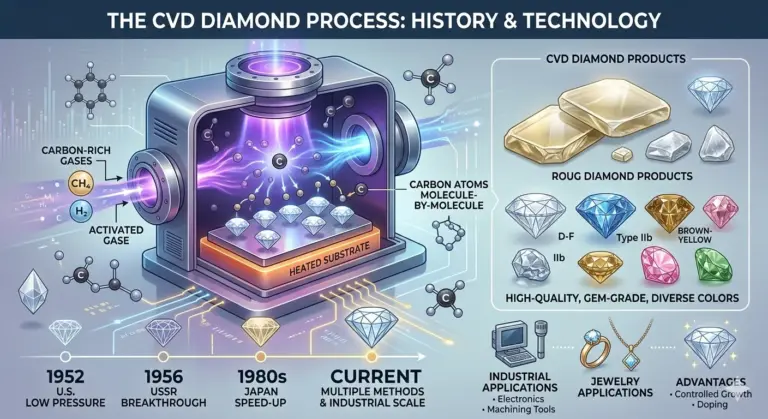
There are typically two methods for creating lab-grown diamonds: HPHT (High-Pressure, High-Temperature) and CVD (Chemical Vapor Deposition). Today, we’ll focus on the HPHT method.
This method directly replicates the conditions under which natural diamonds form in the Earth’s mantle. Simply put, carbon atoms are placed in a growth chamber and gradually transformed into diamonds through high temperature and pressure. HPHT diamonds typically have very high color grades, reaching up to DE, but larger carat sizes are relatively rare, and their prices are slightly higher than those of CVD diamonds.
No amount of theory can compare to taking you on a tour of our workshop. As a company with full-chain capabilities, we’ve witnessed the creation of every beautiful diamond from start to finish.
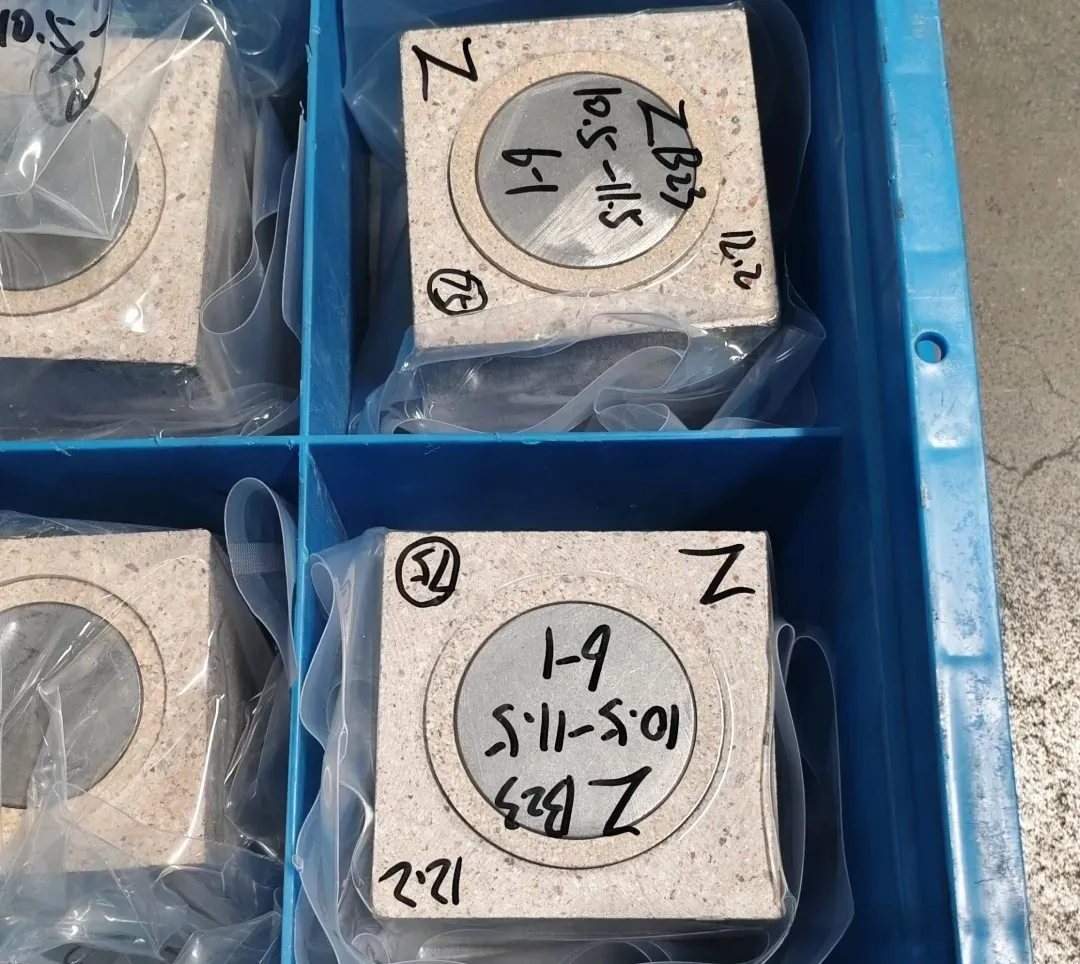
Step 1: Sowing in the “Steelmaking Furnace” – HPHT Cultivation Method
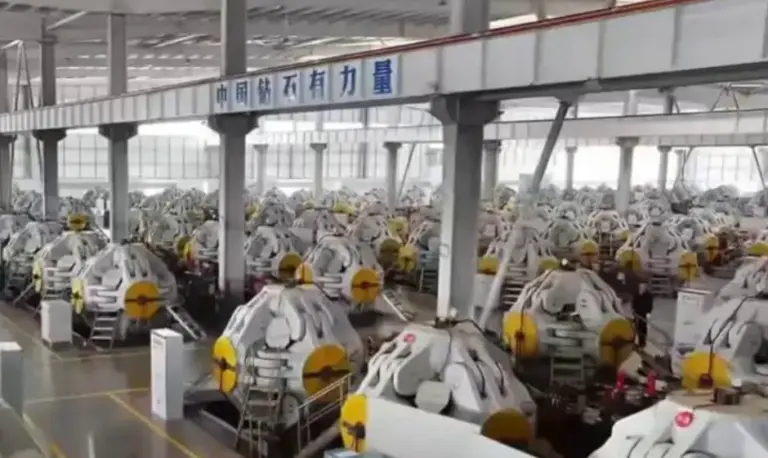
Step into our high-pressure synthesis workshop, and you’ll see rows of six-sided presses in operation.
We use the industry-standard, highly efficient High-Pressure High-Temperature (HPHT) method to grow diamonds. This process simulates the ultra-high-pressure environment found deep within the Earth.
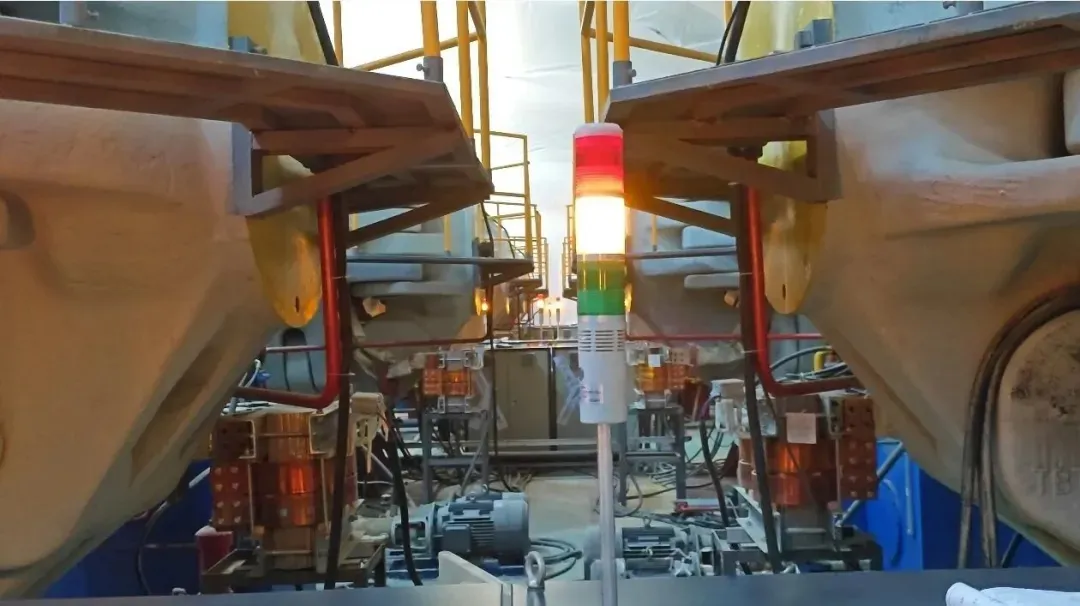
First, we place tiny diamond seeds into the growth chamber and add a high-purity carbon source. With thousands of presses operating simultaneously, the equipment generates temperatures of 1,300–1,600°C and extreme pressures of 5–6 GPa inside the chamber.
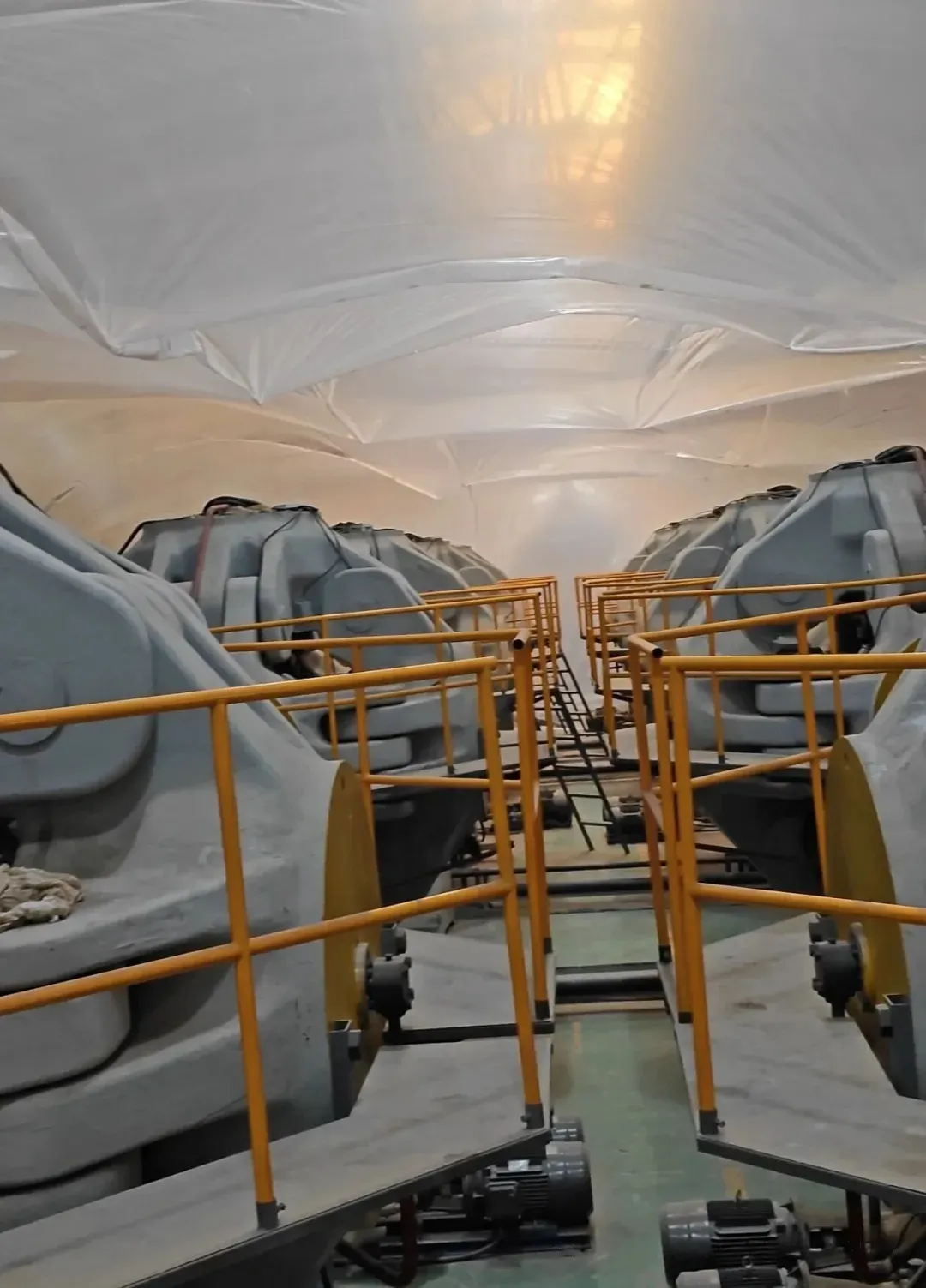
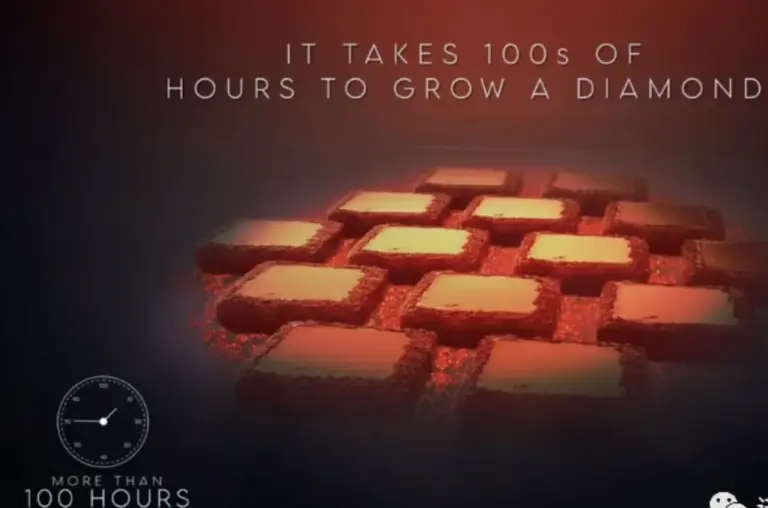
Under these extreme conditions, carbon atoms gradually dissolve and attach themselves to the seeds like building blocks, crystallizing layer by layer. Over several weeks, rough diamonds form. Thanks to our vast production capacity, we can produce millions of carats of rough diamonds annually, ensuring that every diamond has a pure lineage.
Step 2: The “Light Magician” (Laser Cutting), Built for 20 Million
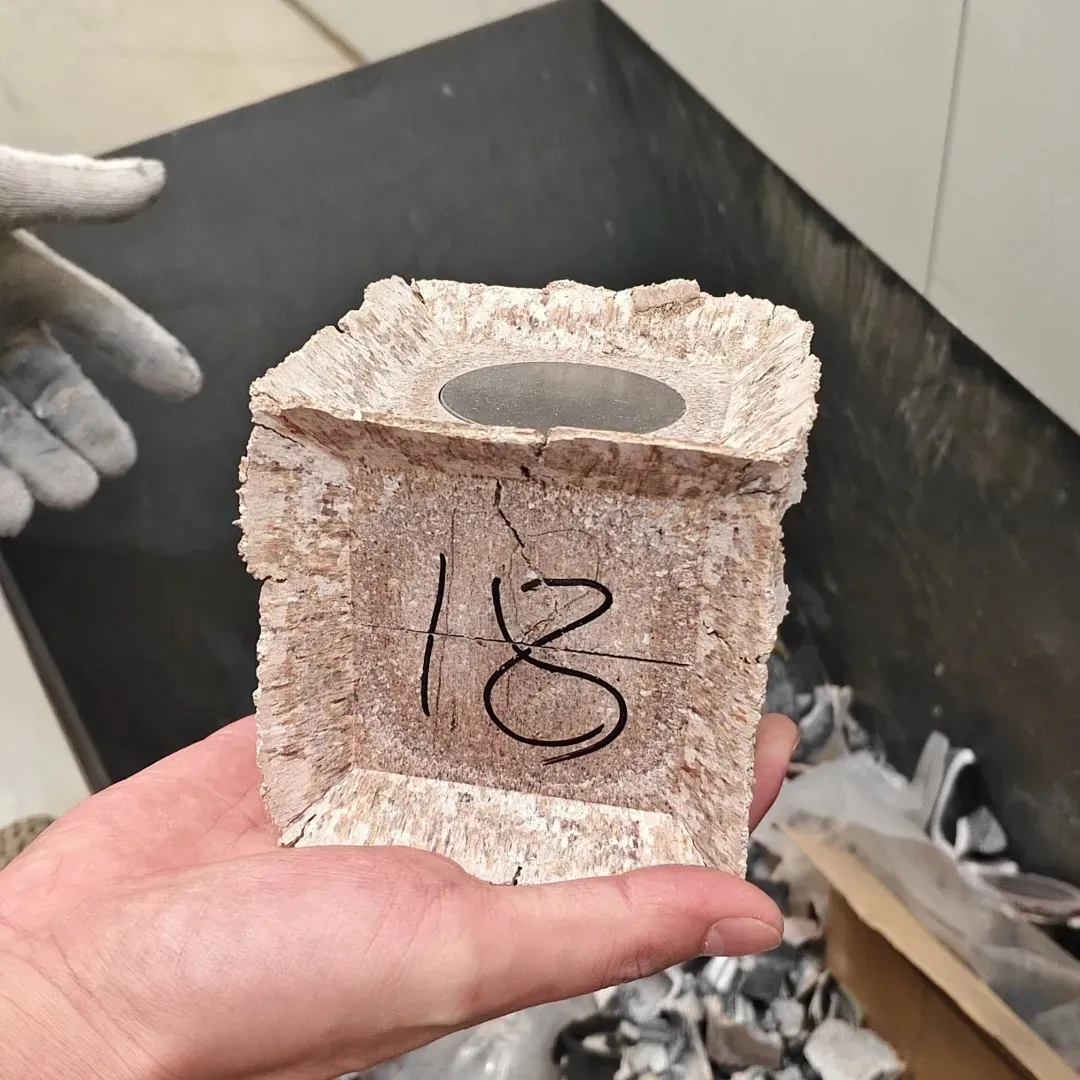
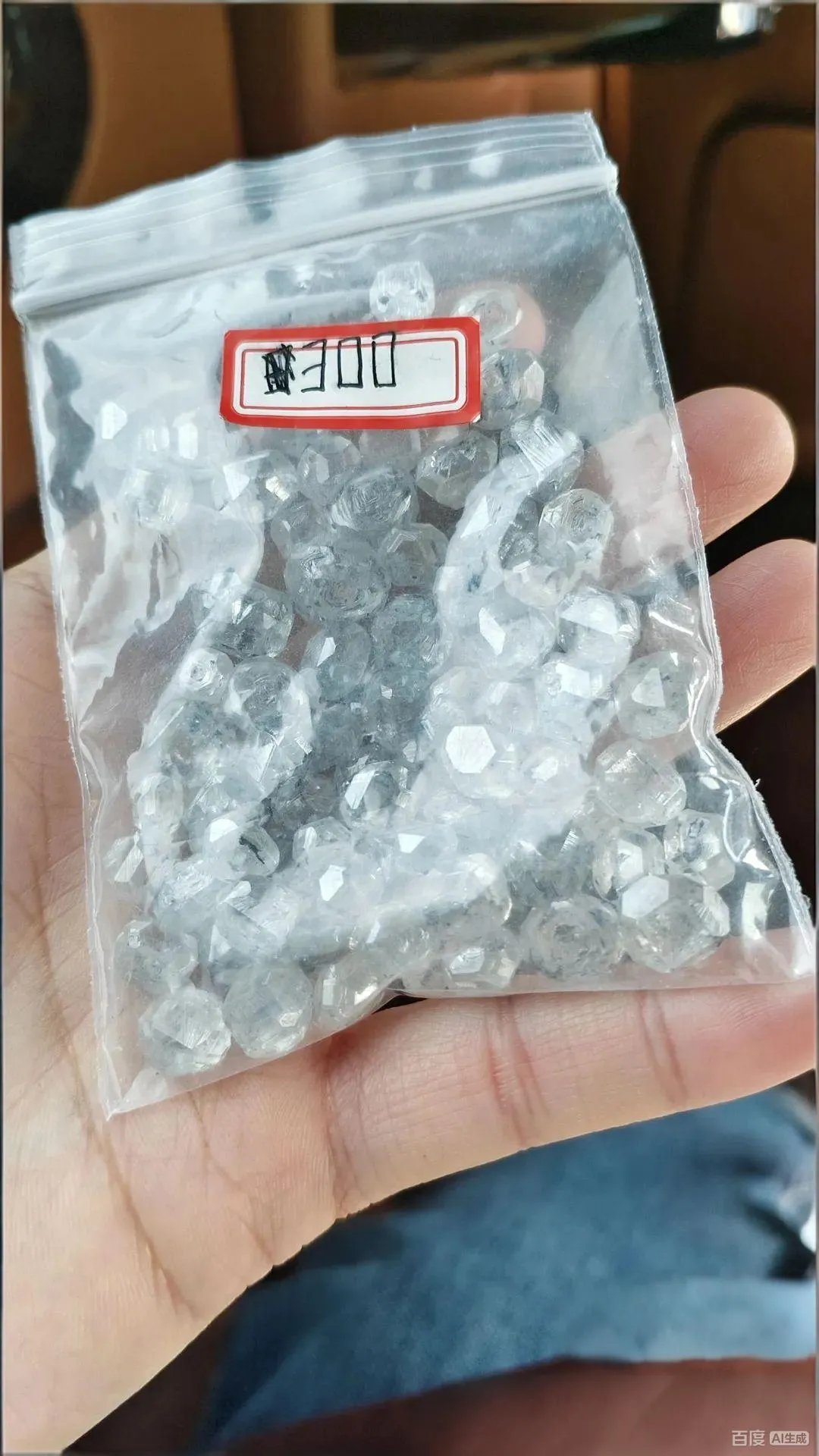
The piece shown above is a rough stone just removed from the press; it looks like a dusty ice cube and is completely unremarkable. The key to a diamond’s brilliant fire lies in its cut.
This is one of the most costly aspects of our industry, and it’s also one of our greatest strengths. In pursuit of the ultimate brilliance, we invested over 20 million yuan to build the nation’s largest laser cutting facility.
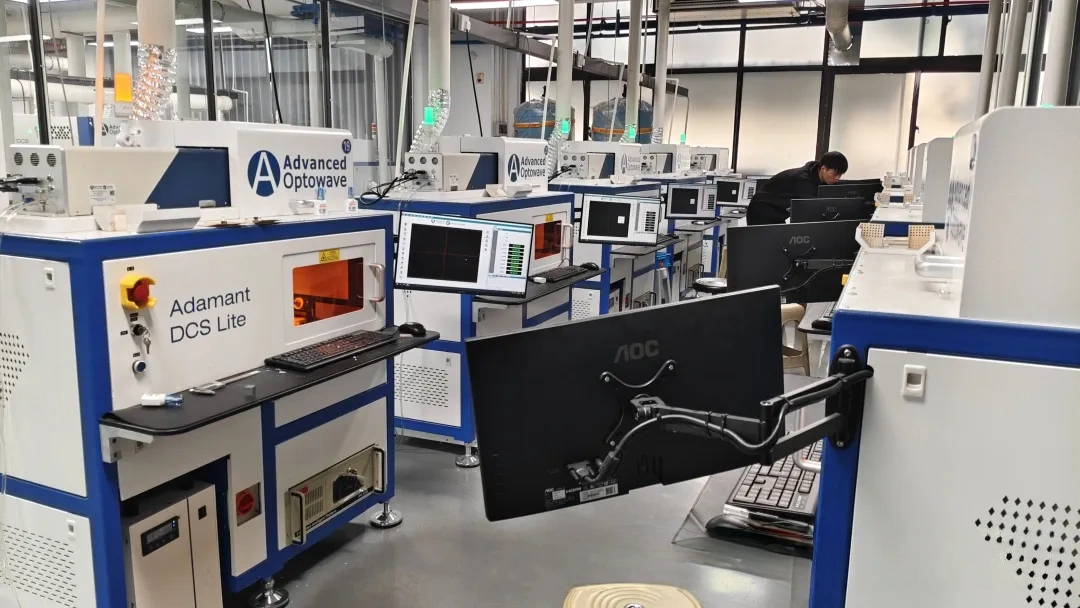
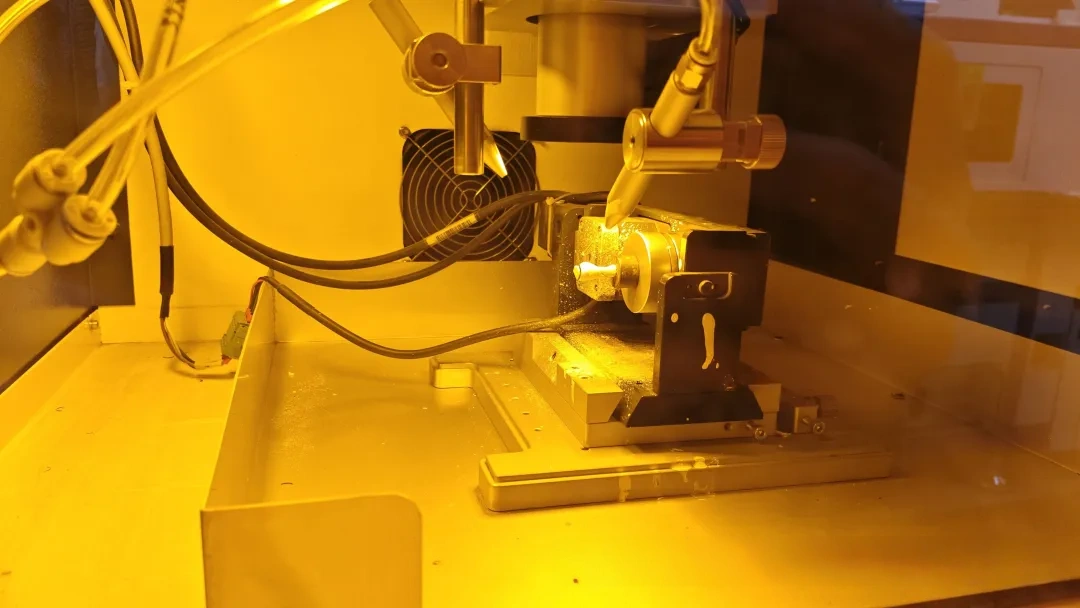
Here, experienced craftsmen work in tandem with high-precision laser equipment. Rather than outsourcing the cutting process, we utilize our in-house laser cutting workshop to mark, split, or laser-form raw materials through precise calculations.
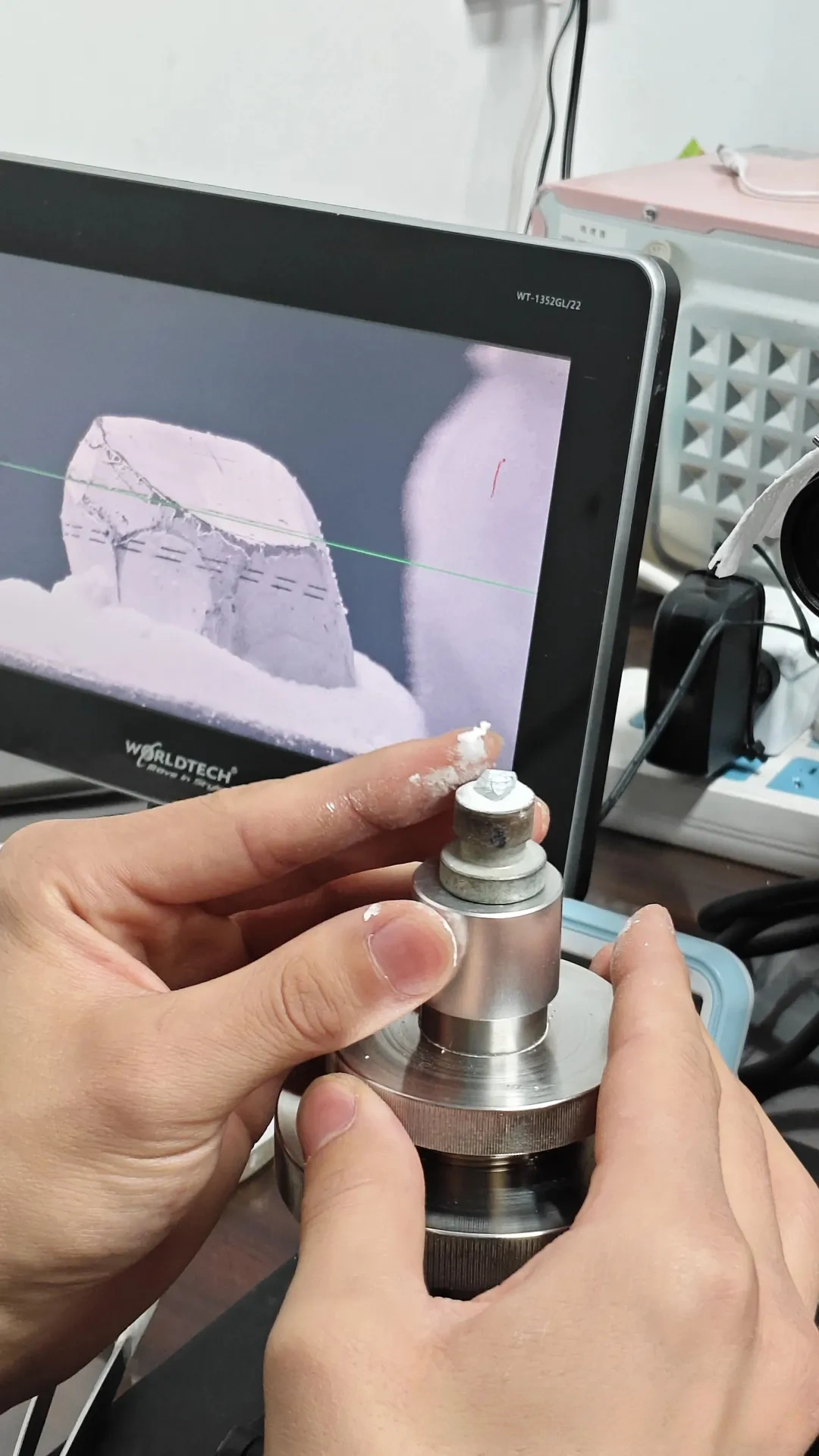
There is no room for error in this step, as the cutting proportions directly determine the diamond’s final fire and brilliance. This is also our key competitive advantage over ordinary small workshops—we not only have the resources to source diamonds, but we also know how to cut them to perfection.
Step 3: Hand-polishing to give it a new lease on life
Laser cutting determines the diamond’s shape, while hand-polishing determines its finish.
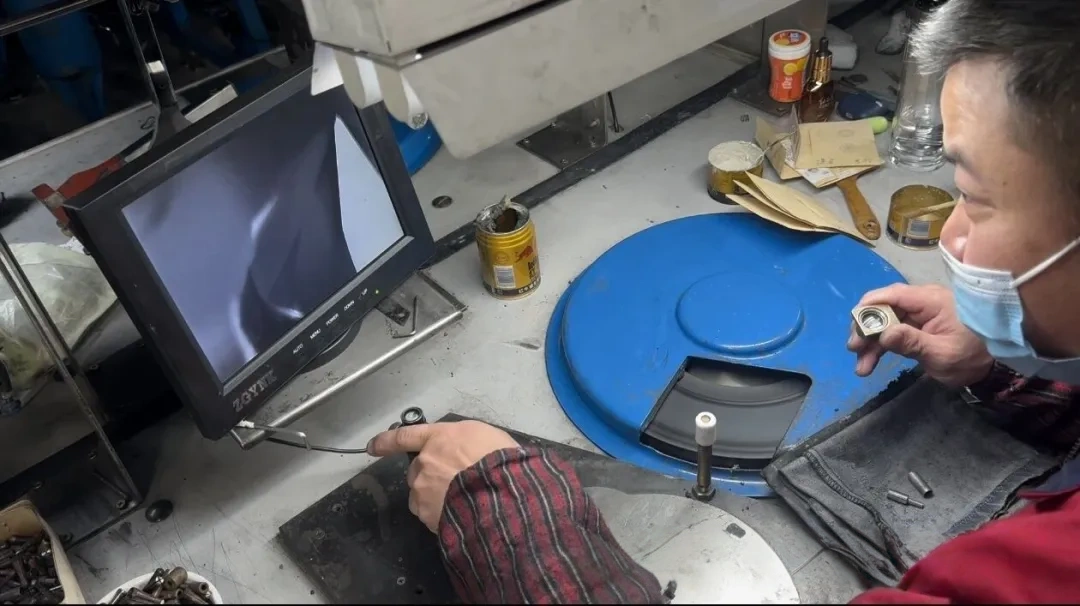
In this workshop, every diamond undergoes multiple processes, including beveling, rough grinding, and cross-polishing. Our artisans meticulously craft each facet under high-powered microscopes.
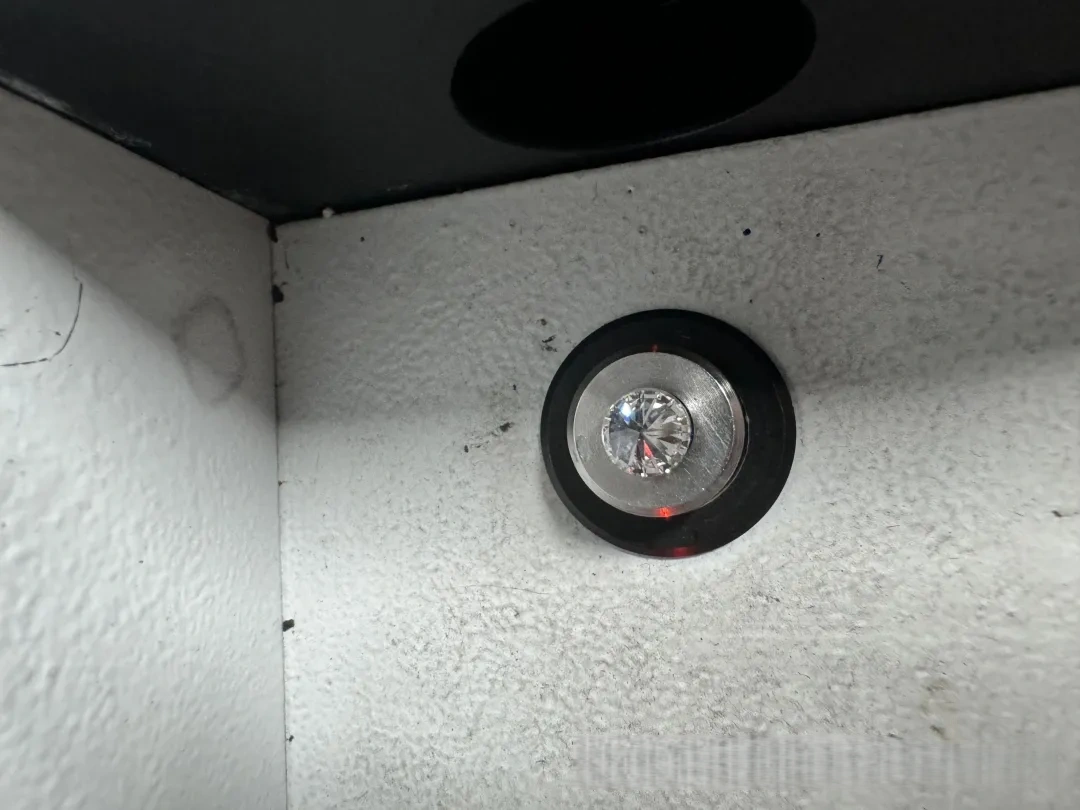
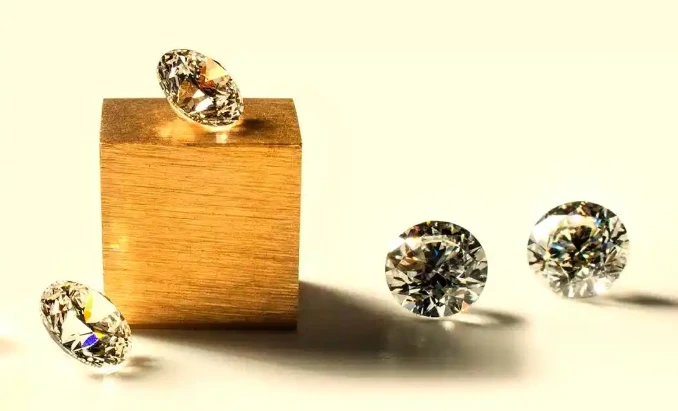
A standard round brilliant cut diamond requires 57 or 58 facets; only when each facet is perfectly flat and symmetrical can light be fully reflected within the diamond, producing a dazzling display of colorful fire.
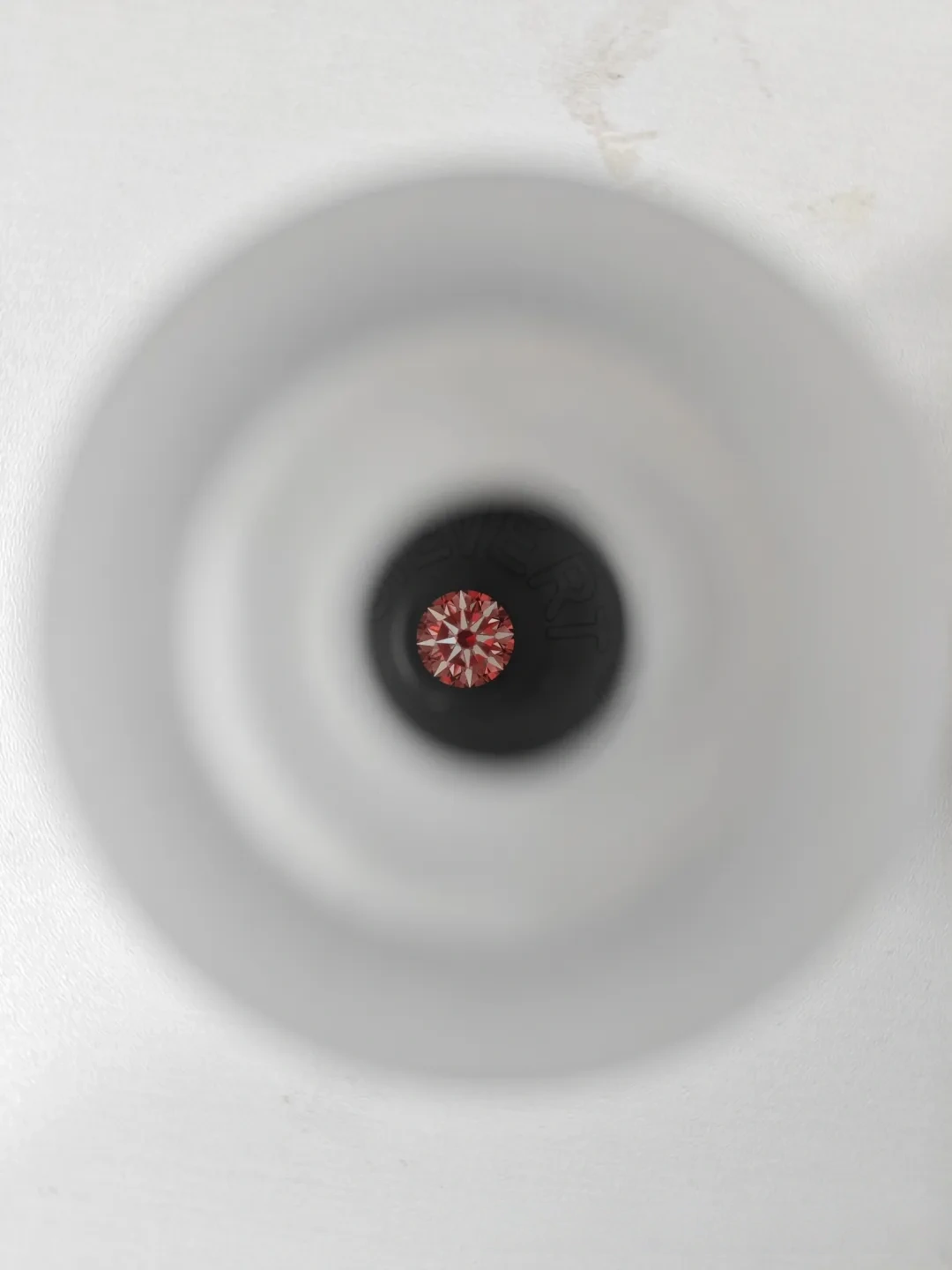
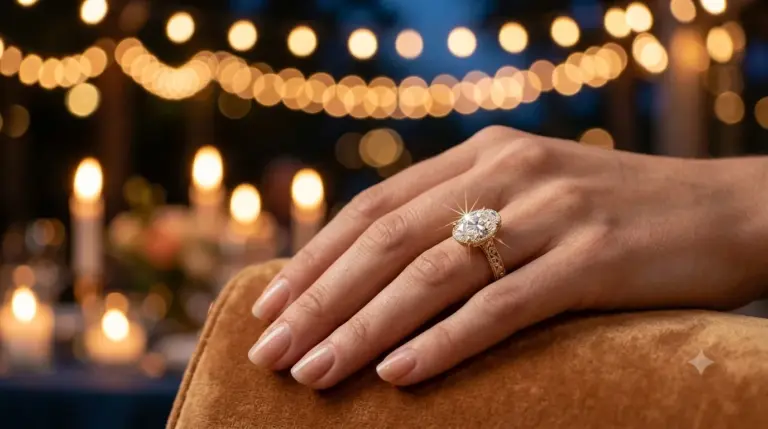
At this stage, a sparkling diamond has only just begun to take shape. Of course, if it is to be made into a ring or other piece of jewelry, additional processes such as setting will be required.
At this stage, a sparkling diamond has only just begun to take shape. Of course, if you want to turn it into a ring or other piece of jewelry, additional processes such as setting will be required. If you’re interested in the setting process and other steps, you can refer to our article “Step-by-step process of making a lab-grown diamond ring.”
In short, from a tiny seed to a dazzling promise at your fingertips, those working in the lab-grown diamond industry are both pioneers of technology and guardians of beauty.
Finally, I hope today’s insights have given you a new perspective on lab-grown diamonds. If you, too, are captivated by this fusion of technology and art, feel free to leave a comment or send me a private message to design your very own “real diamond.”