CVD Diamond Growth Process: Step-by-Step Manufacturing Guide
Introduction to the CVD Diamond Growth Process
We frequently receive inquiries from overseas clients—particularly from tech-focused buyers in India—regarding equipment for producing lab-grown diamonds. However, many buyers are not yet familiar with the specific production workflows. Based on our industry expertise, this guide outlines the complete CVD diamond growth process to help you understand how raw materials transform into sparkling gemstones.
Step 1: Substrate Preparation and Seed Selection
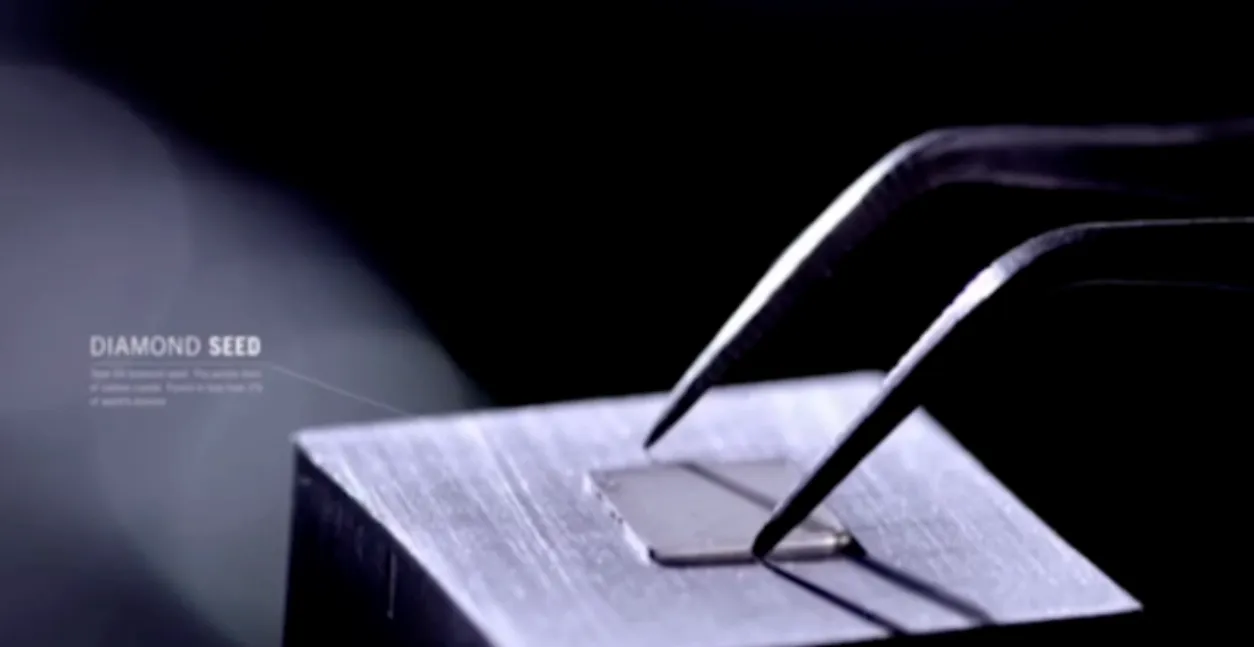
The foundation of the entire CVD diamond growth process begins with selecting and preparing high-quality diamond “seeds” (substrates). The quality of these seed crystals is the most critical factor determining the final diamond growth.
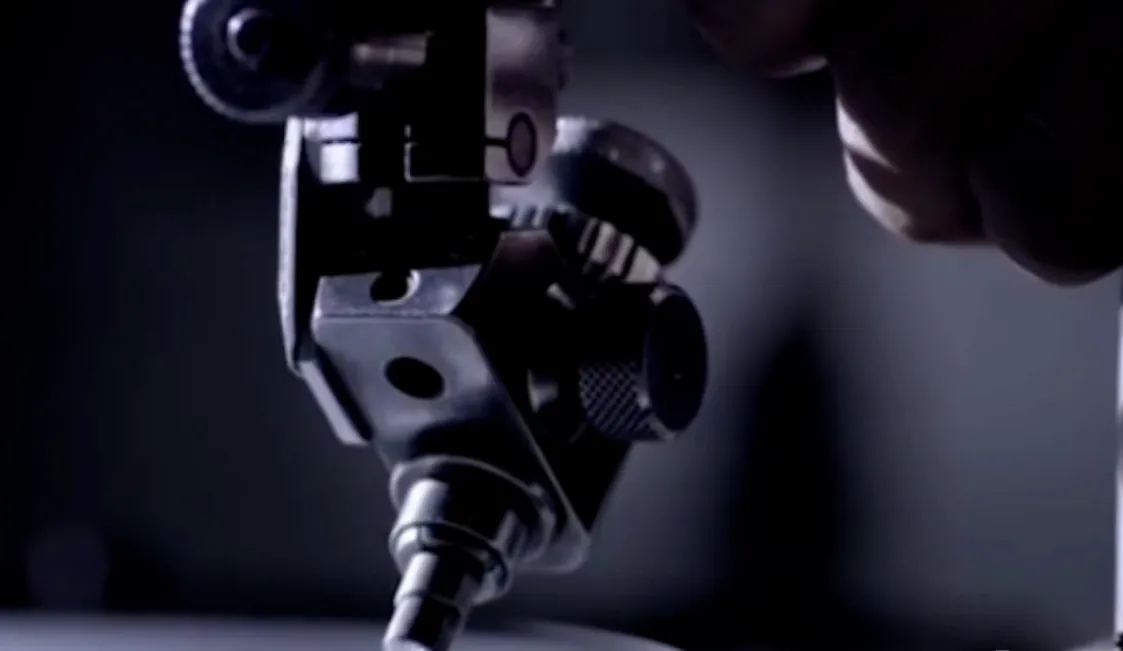
- Laser Cutting: Laser technology slices ultra-thin plates from natural or synthetic diamonds. Because lasers leave carbonized black residue on the edges, these slices must undergo rigorous polishing.
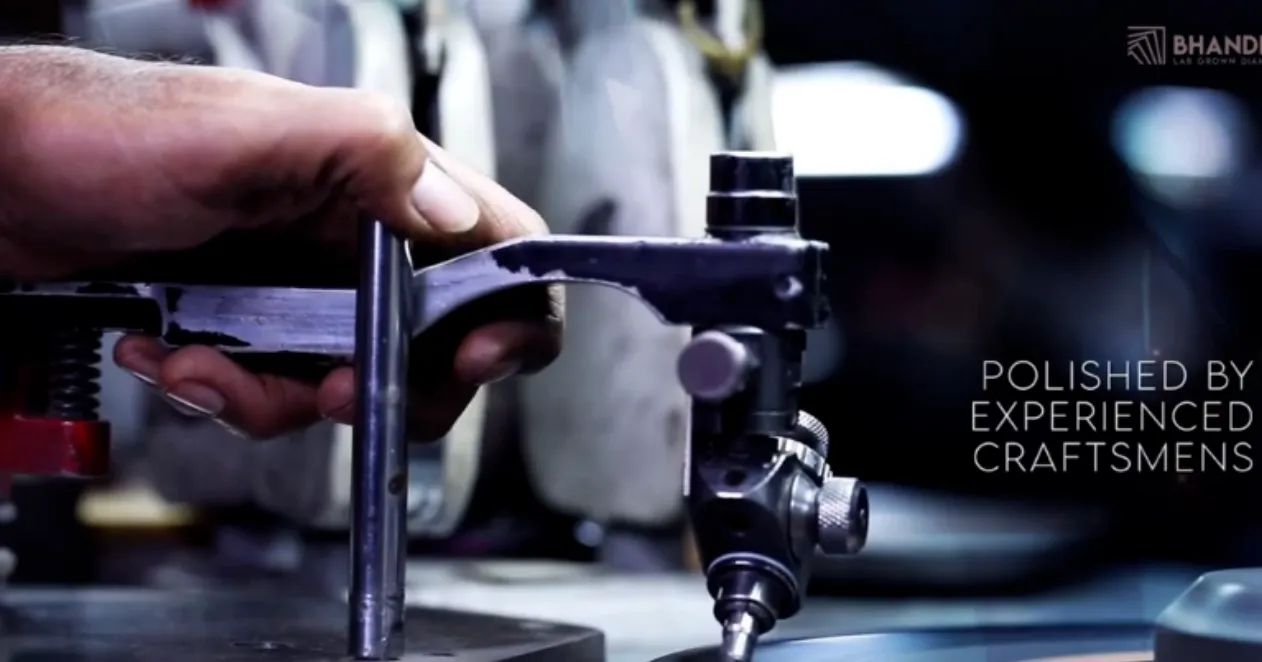
- Fixing and Stabilizing: The diamond slices are coated with resin and chemical agents, then firmly secured onto steel blocks. These blocks are attached to threaded rods and placed against a wheel embedded with diamond grit.
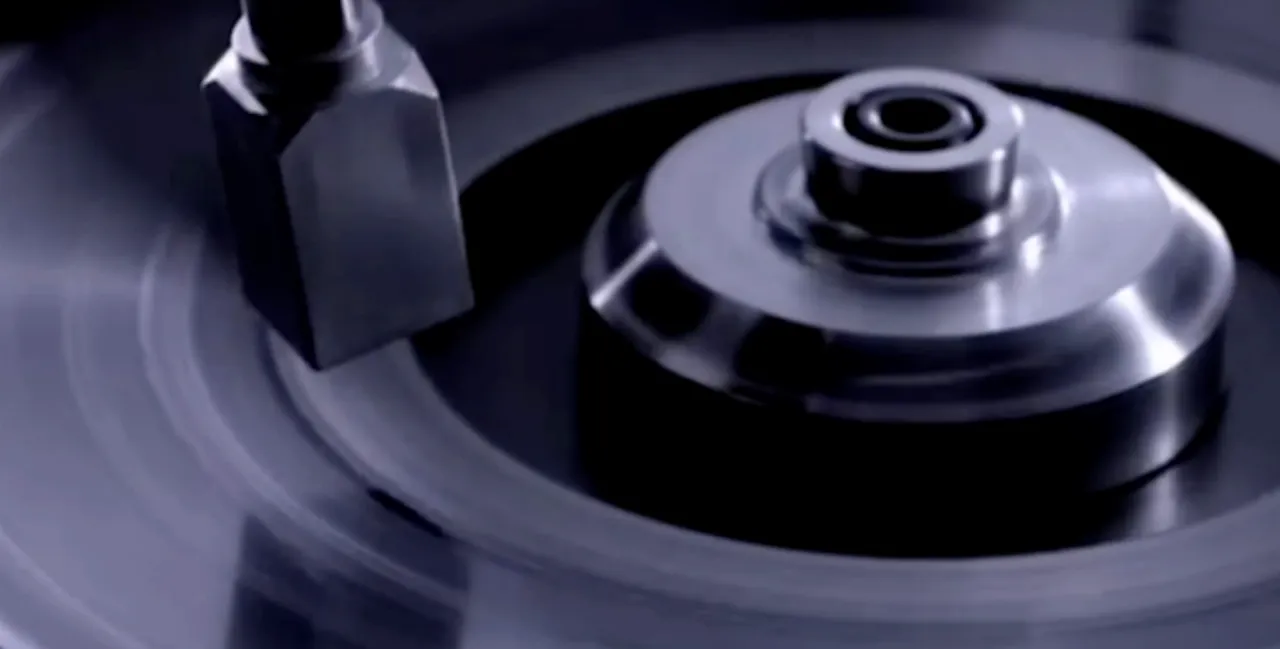
- Friction Polishing: As the wheel rotates, intense friction polishes the seed surface. Since diamond is the hardest known mineral, only other diamond particles can effectively polish it.
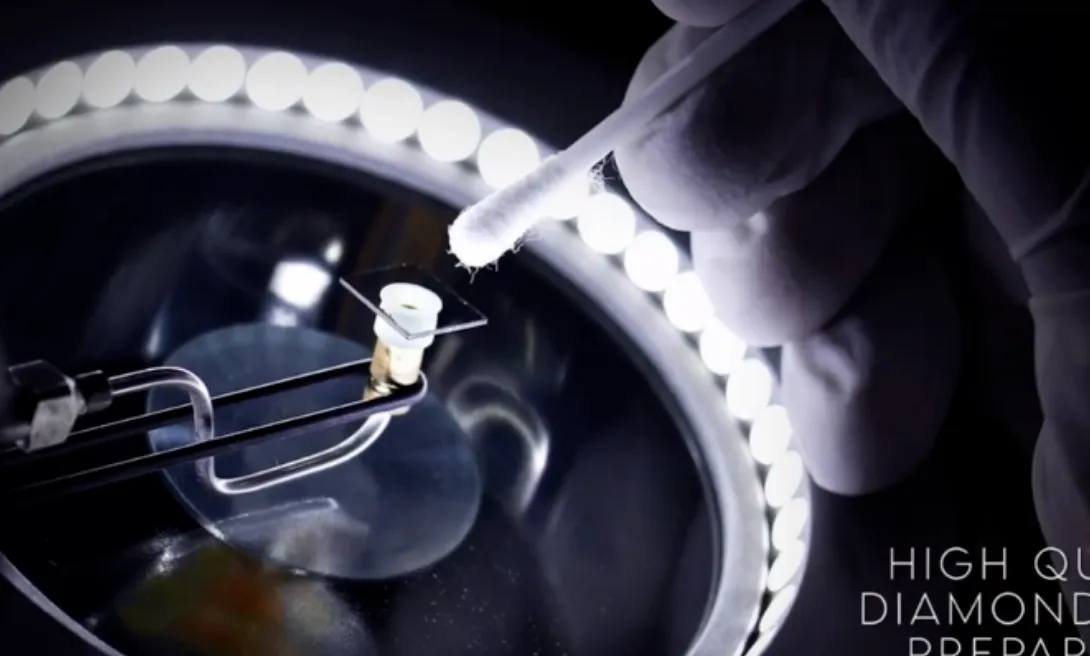
The transformation before and after polishing is stunning—the rough slice becomes completely crystal clear, ready for the next stage of the CVD diamond growth process.
Step 2: Diamond Synthesis in the CVD Chamber
Next, the polished seeds enter the core phase of the CVD diamond growth process.
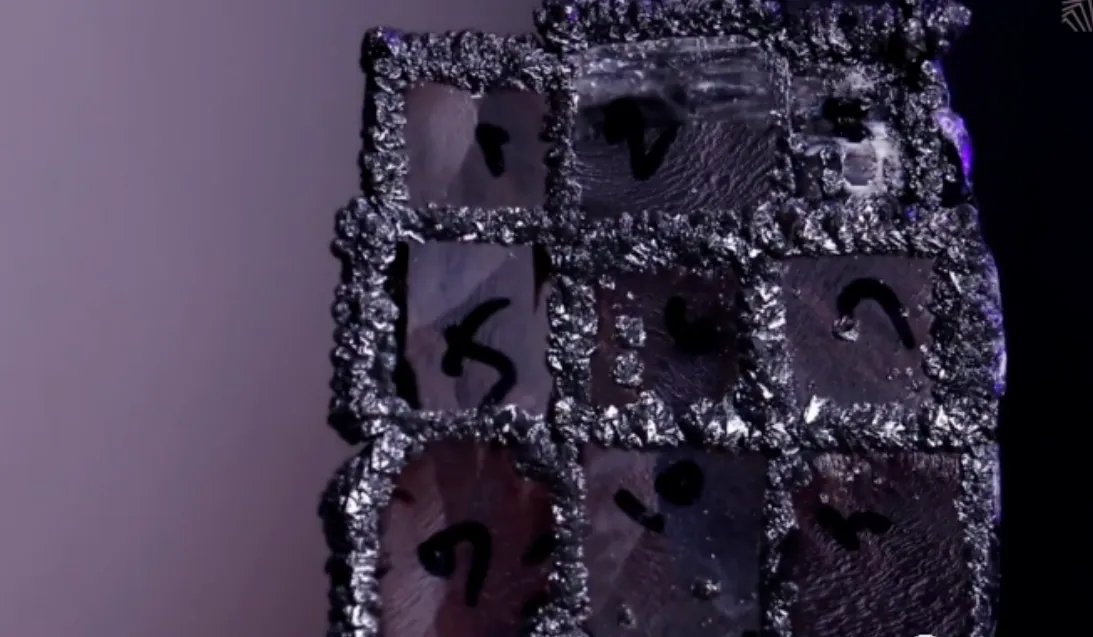
Using precise tweezers, technicians place the diamond seed plates onto a specialized metal substrate holder, leaving optimal space between them for uniform growth. The seeds are then sealed inside the reactor chamber of the CVD diamond growth process machine.
To ensure flawless crystallization, advanced control systems stabilize key parameters:
- Temperature & Pressure
- Gas Flow Rates & Microwave Power
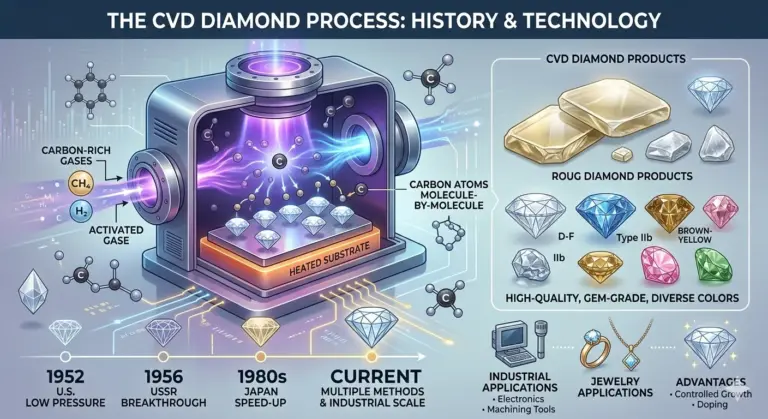
The chamber is injected with a precise mixture of methane and hydrogen gases. A powerful microwave beam heats the gases into a high-temperature plasma state (reaching around 1500°C). At this temperature, methane molecules break down, releasing carbon atoms. These carbon atoms rain down onto the cooler diamond seeds, replicating their crystalline structure and causing them to grow layer by layer.
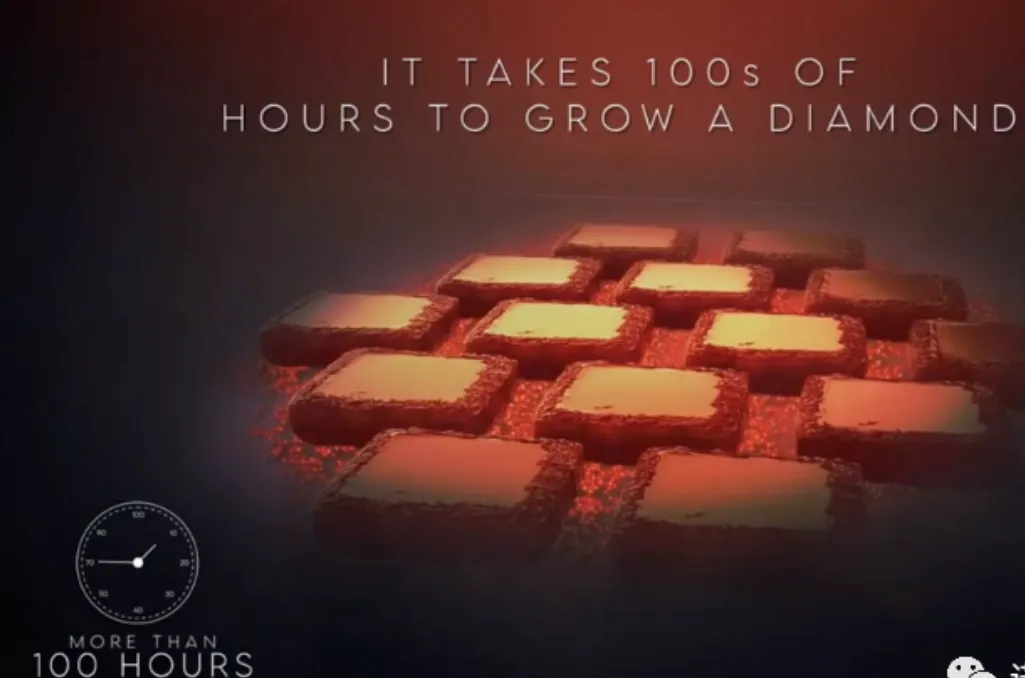
Typically, diamonds grow at a rate of roughly 0.006 mm per hour. After about 100 hours in this continuous CVD diamond growth process, a rough diamond crystal encrusted with a graphite outer layer is successfully harvested.

Step 3: Cutting and Faceting the Rough Diamond
Once the raw crystal is removed from the chamber, the post-processing stage of the CVD diamond growth process begins.
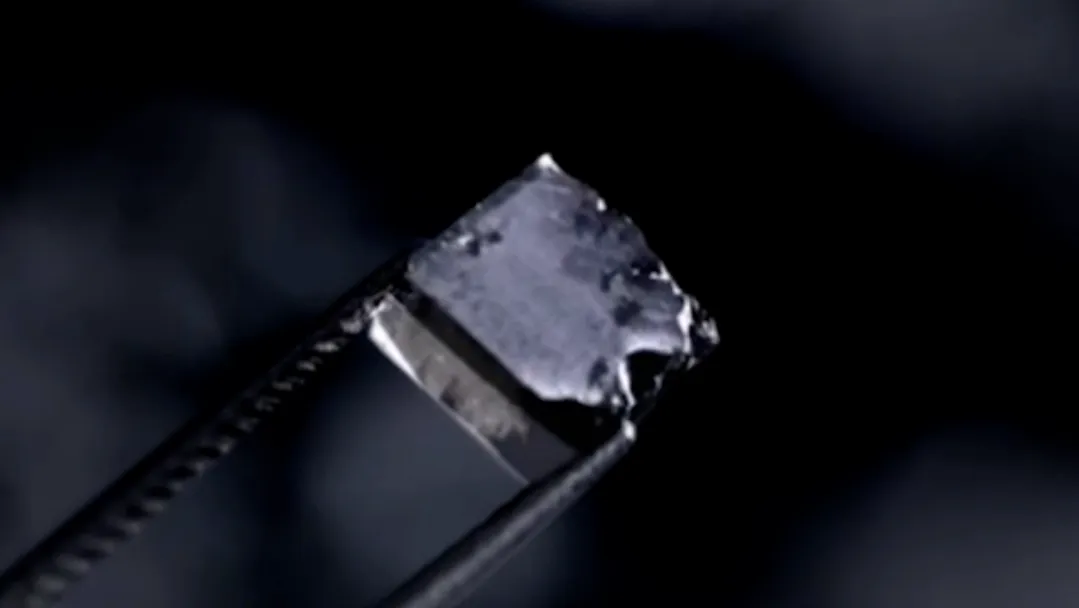
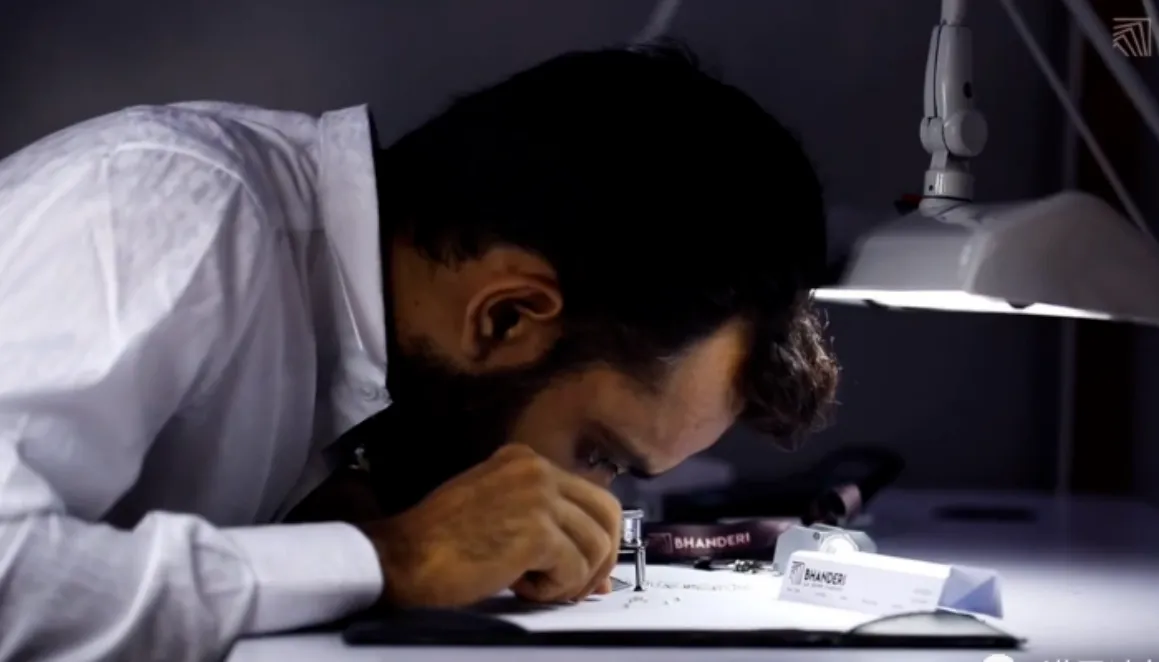
- Inspection & Planning: Technicians use 10x magnification loupes to analyze internal inclusions and flaws. Advanced 3D computer software models the rough stone to calculate the optimal cutting lines for maximum yield and brilliance.
- Laser Cleaving & Bruting: High-precision lasers cut the diamond into its rough geometric shape, which is then passed to experienced artisans for final faceting and smoothing.
Step 4: Quality Control and Final Polish
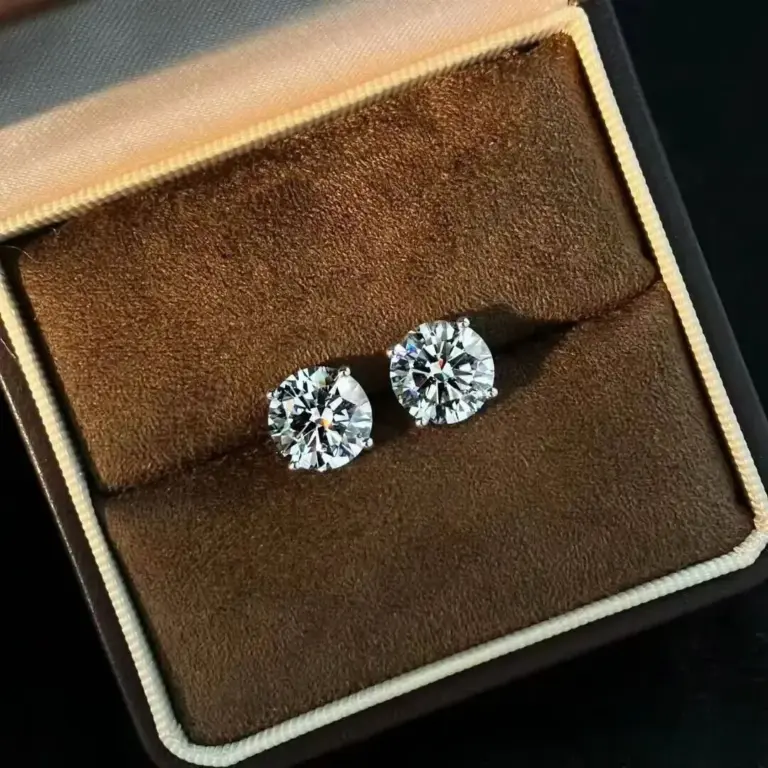
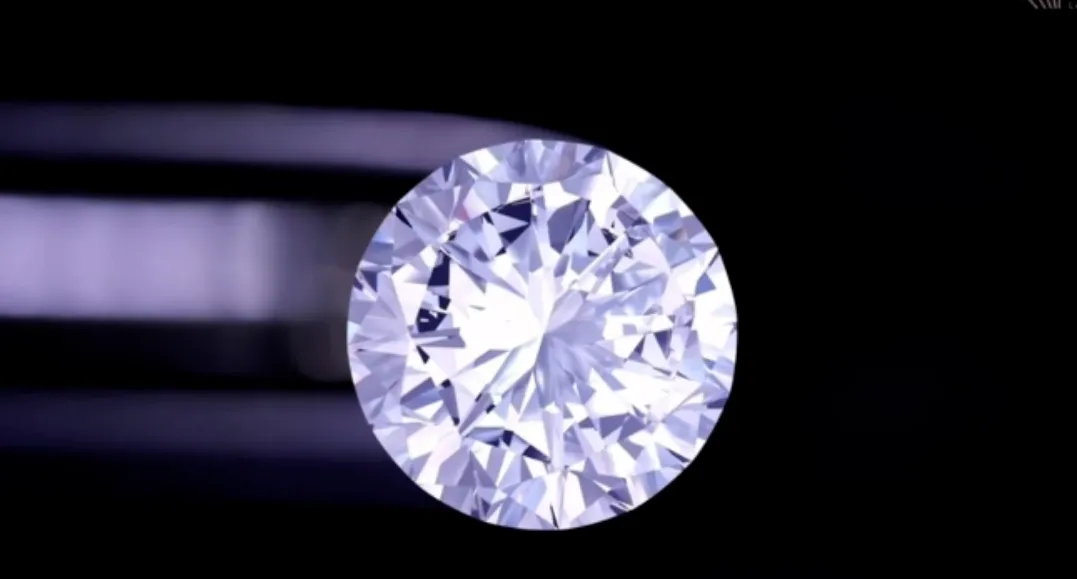
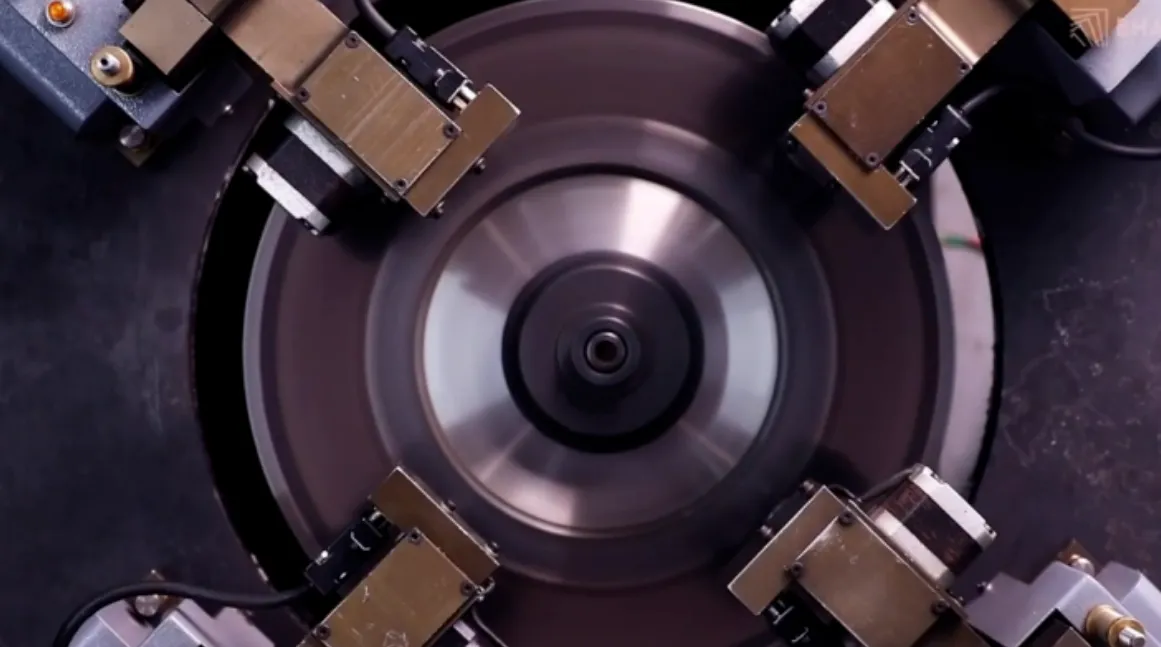
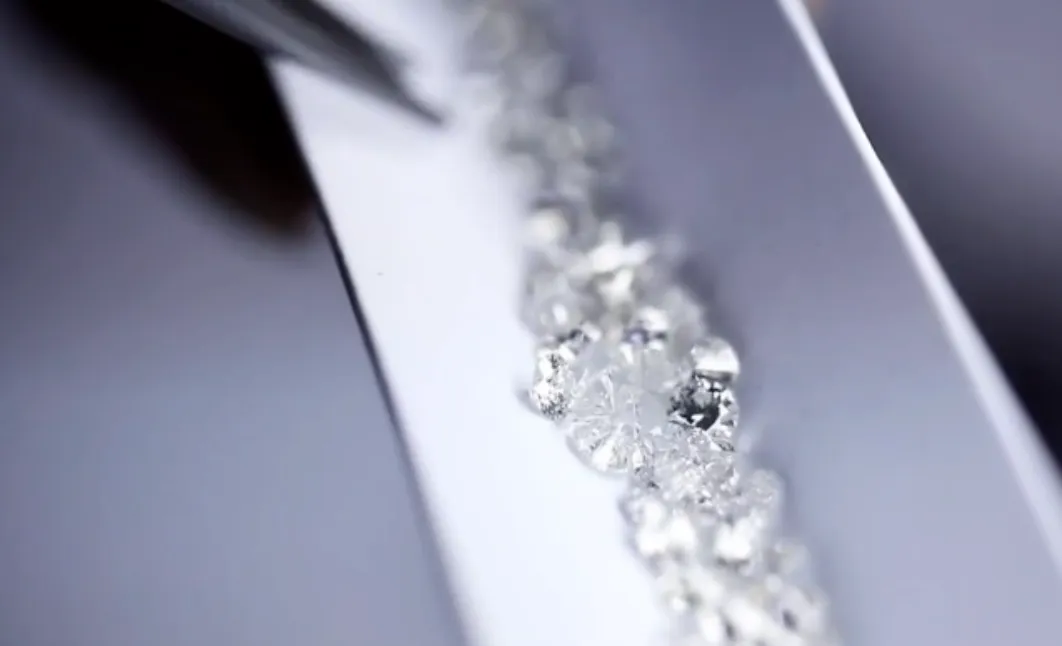
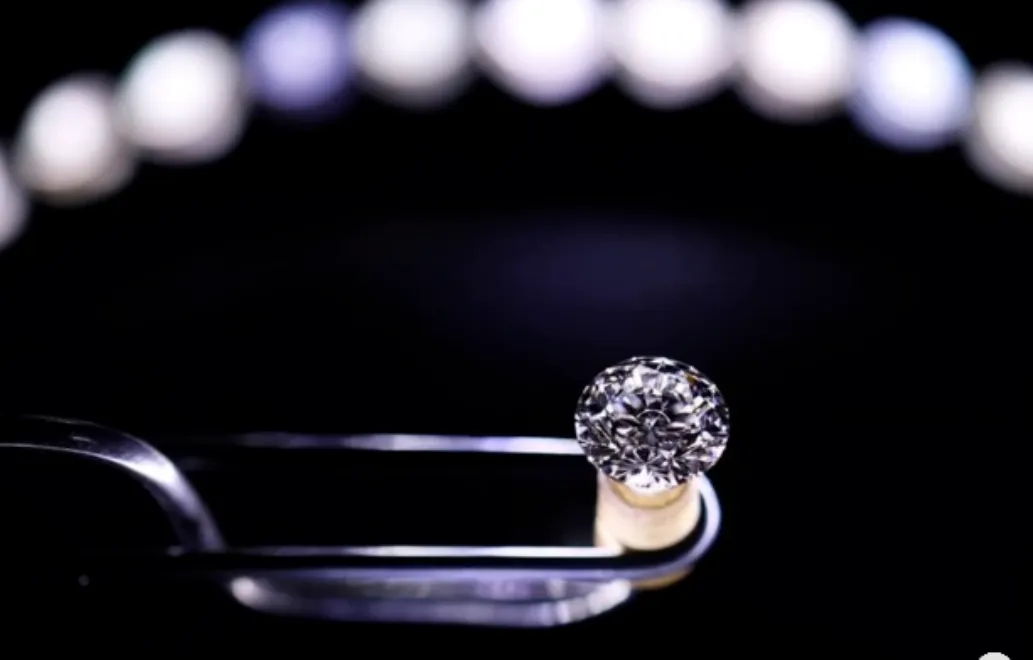
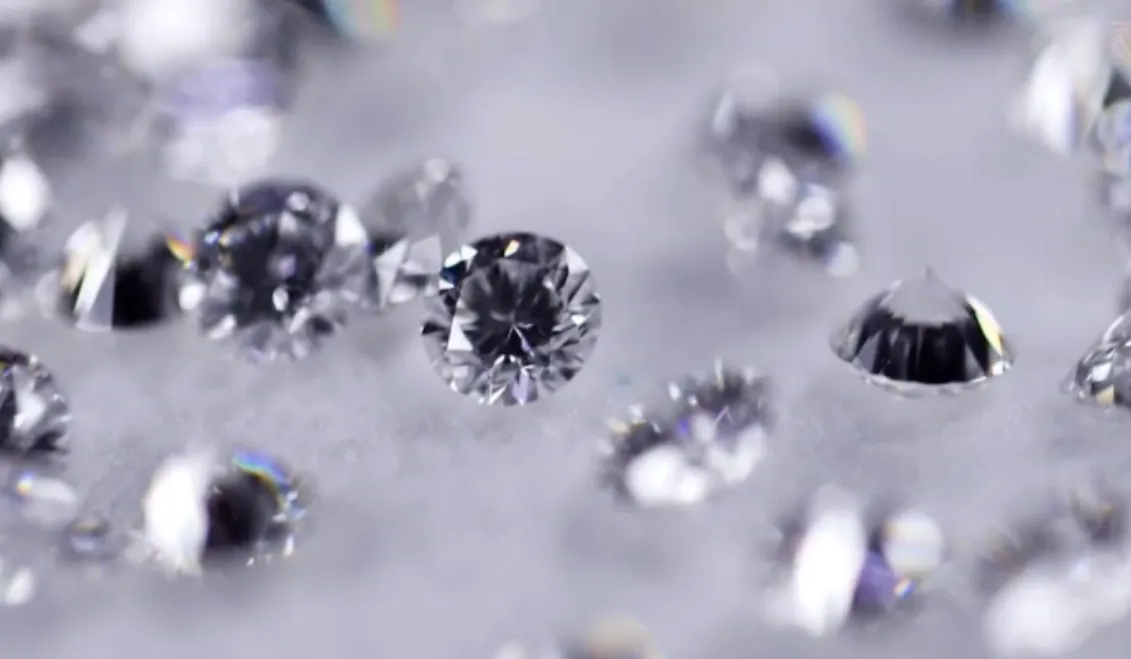
The shaped gemstone undergoes fine faceting on automatic polishing wheels until it achieves maximum fire and brilliance. After a final, rigorous quality control check, a dazzling, market-ready diamond created via the CVD diamond growth process is ready for the global luxury or industrial market.
Chemical Vapor Deposition (CVD) is a sophisticated technique where chemical gases or vapors react on a substrate surface to synthesize high-purity coatings or nanomaterials. Beyond jewelry, it is a foundational technology in the semiconductor, aerospace, and AI hardware cooling industries for depositing thin-film materials, insulators, and advanced metal alloys.
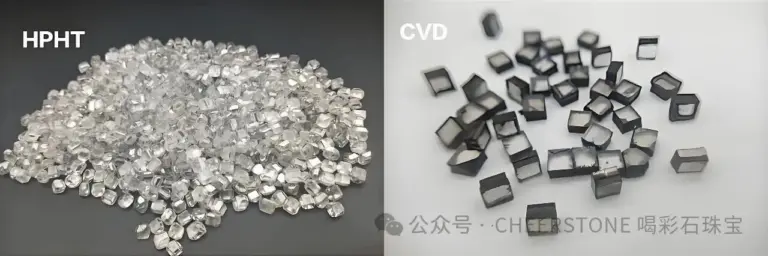
In this article, we have introduced the CVD diamond growth process, one of the two primary methods currently used to produce lab-grown diamonds. The other method is known as the high-pressure, high-temperature (HPHT) process. If you would like to learn more about the HPHT process, please refer to our article titled “The HPHT Lab-Grown Diamond Production Process.”
The main content of this article is provided by Nobadi Materials Technology. For more information, please visit their official website at www.ndbkj.com
The CVD Diamond Manufacturing Process: Revolutionizing the Diamond Industry
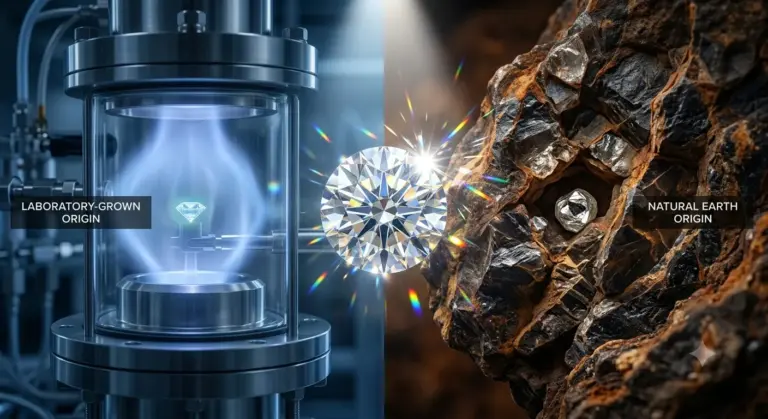
In the CVD process, a diamond seed is placed in a vacuum chamber where methane and hydrogen gases are introduced. The chamber is heated to 800–1,000 degrees Celsius to simulate the natural conditions found deep underground and the plasma as hot as the sun’s outer layers. Through chemical reactions triggered by low-pressure gas pockets, aerodynamic forces, and microwave beams generated by wind energy, methane is broken down into carbon atoms, which settle onto the seed crystal at the bottom. Through a gradual chain reaction, this process cultivates a rough diamond with the same molecular structure, hardness, and other physical and chemical properties as mined diamonds. Only after undergoing professional cutting and polishing does it become a diamond that sparkles with a rainbow of fire. The effort, technology, and cost involved are incomparable to those of HPHT diamonds.