The Future and Market Trends of Lab-Grown Diamonds
Lab-Grown Diamond Market: Sustained Growth Momentum
The diamond industry is undergoing a profound transformation, at the heart of which lies the booming lab-grown diamond (LGD) market. A recent report by Bain & Company indicates that this segment is no passing trend but a force poised to further solidify its position in the broader diamond market. The analysis highlights the key drivers fueling this growth and what it means for the future of both natural and lab-grown diamonds.
Consumer Awareness: A Catalyst for Growth
Rising Public Recognition
One of the primary drivers behind the expansion of the lab-grown diamond market is growing consumer awareness. Once a niche product with limited visibility, lab-grown diamonds have rapidly gained public attention. This surge in recognition stems from targeted marketing campaigns, educational outreach, and increased media coverage. As consumers learn more about the characteristics, value propositions, and ethical considerations of lab-grown diamonds, they are increasingly open to viewing them as a viable alternative to natural diamonds.
This heightened awareness is especially pronounced among younger demographics, who tend to be more receptive to new technologies and more concerned about ethical and environmental issues. For these consumers, LGDs offer an ideal choice aligned with their values and preferences.
Demand Dynamics: Shifting Consumer Preferences
Price Competitiveness
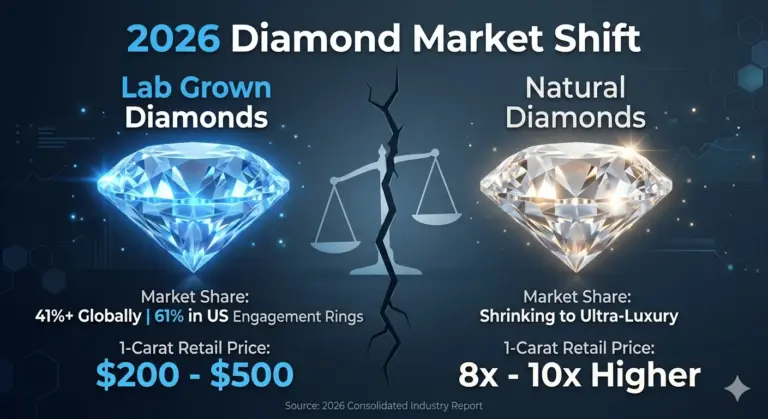
As awareness of lab-grown diamonds grows, demand has surged, driven by several factors including price competitiveness, ethical approval, and evolving consumer tastes. Lab-grown diamonds typically carry a significant price advantage over natural diamonds of equivalent size and quality, making them a top choice for budget-conscious buyers. This price gap allows consumers to afford larger or higher-quality diamonds within their budgets, further boosting market demand.
Ethical and Environmental Appeal
Furthermore, lab-grown diamonds are widely perceived as more ethically sound and environmentally sustainable than natural diamonds, contributing to their rising popularity. While debates persist over the environmental impact of diamond mining, lab-grown diamonds are generally regarded as a more responsible option, particularly among consumers prioritizing sustainability and ethical sourcing. Always verify procurement integrity and authentication protocols to ensure ethically sourced diamonds.
Market Share: Expanding Footprint
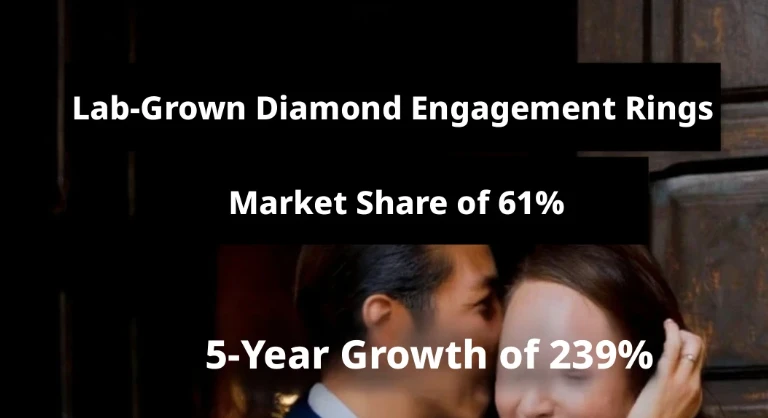
Bain & Company’s report projects that lab-grown diamonds will continue to capture a larger share of the diamond market. This forecast is based on rising consumer awareness and demand, coupled with an increasing supply of lab-grown diamonds in diverse cuts, sizes, and qualities. As the LGD market matures, competition is expected to intensify, attracting new entrants and prompting existing players to expand their product lines.
Natural Diamond Industry’s Response
This market share expansion has not been without challenges. The natural diamond industry has actively sought to distinguish natural diamonds from lab-grown counterparts, emphasizing rarity, heritage, and emotional value. Nonetheless, growing market acceptance and demand for lab-grown diamonds signal their enduring presence and increasingly prominent role in the diamond market.
Impact on the Diamond Industry
Challenges and Opportunities for Stakeholders
The sustained growth of the lab-grown diamond market has profoundly impacted the entire diamond industry. Natural diamond producers, retailers, and other stakeholders must adapt to these changes and develop strategies to remain competitive. This may involve highlighting unique natural diamond attributes such as rarity and origin, and investing in marketing and education to underscore natural diamonds’ value and appeal.
Retailers’ Strategic Positioning
For retailers, the rise of lab-grown diamonds presents both challenges and opportunities. Retailers must determine how to position lab-grown diamonds in their product portfolios and craft sales strategies to meet rising market demand. This could include offering a wider selection of lab-grown diamonds, providing clear, accurate information about their characteristics and value, and training sales teams to effectively communicate the advantages of both natural and lab-grown diamonds.
Emphasis on Supply Chain Transparency
Additionally, the growth of the lab-grown diamond market underscores the importance of transparency and traceability in the diamond supply chain. Consumers are increasingly concerned about diamond origin and ethical sourcing, whether natural or lab-grown. Retailers and suppliers must provide this information to build trust and maintain consumer confidence. Global jewelry sourcing indices can serve as valuable tools to navigate these complexities.
The Future of Diamonds: Coexistence and Differentiation
Looking ahead, the diamond market is likely to feature the coexistence of natural and lab-grown diamonds, each appealing to distinct consumer groups and serving different purposes. Natural diamonds will remain prized for their rarity, heritage, and emotional significance, while lab-grown diamonds will gain favor for their affordability, ethical credentials, and technological innovation.
The Key to Success: Differentiation
In this evolving market, differentiation is the key to success. Natural diamond producers and retailers must effectively communicate the unique attributes of natural diamonds and highlight the value they offer consumers. Meanwhile, lab-grown diamond producers and retailers must continuously innovate to enhance product quality and supply. By focusing on differentiation and providing consumers with clear, accurate information, stakeholders in both natural and lab-grown diamond sectors can thrive in the years ahead.
Navigating Market Dynamics: Key Success Strategies
To adapt to evolving diamond market dynamics, businesses must adopt proactive, well-informed strategies. Below are key considerations:
- Understand Consumer Preferences: Conduct in-depth market research to identify evolving preferences and priorities of target consumers. This will help tailor product offerings and marketing messages to resonate with their needs.
- Embrace Transparency: Disclose the origin and characteristics of both natural and lab-grown diamonds openly. Provide consumers with clear, accurate information to build trust and confidence.
- Invest in Education: Educate sales teams and consumers on the differences between natural and lab-grown diamonds. Help them understand the unique value of each to enable informed purchasing decisions.
- Build a Differentiated Brand: Cultivate a strong brand identity that stands out from competitors. Focus on unique strengths and values, and communicate them effectively to target audiences.
- Leverage New Technologies: Adopt technologies that enhance operational efficiency and sustainability, such as blockchain for supply chain tracking or investments in renewable energy.
- Foster Collaboration: Partner with other industry stakeholders to address shared challenges and seize opportunities. This may include participating in industry initiatives or forming alliances with complementary businesses.
Conclusion: Embracing the Future of Diamonds
Driven by rising consumer awareness, demand, and acceptance, the lab-grown diamond market is poised for continued growth. While the natural diamond industry faces challenges in this evolving landscape, it also presents opportunities for differentiation and innovation. By understanding consumer preferences, prioritizing transparency, and investing in education, businesses can navigate shifting diamond market dynamics and thrive in the years ahead. The future will likely see natural and lab-grown diamonds coexisting, each delivering unique value and appeal to distinct consumer segments.