“What Americans Think About Lab-Grown Diamonds” I asked GROK for you!
Work was pretty slow today, so I logged onto Platform X out of boredom and came across GROK, the AI agent on the platform. So I asked it this question: “What do Americans think of lab-grown diamonds?”
Here is GROK’s response to the question “What Americans Think About Lab-Grown Diamonds” (I asked GROK for you!). It seems to reflect the views of a large portion of the population regarding lab-grown diamonds.
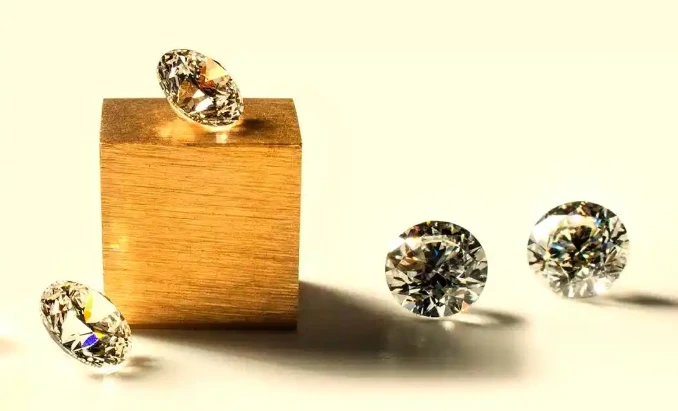
Americans’ opinions on lab-grown diamonds are quite polarized, but acceptance is growing rapidly, especially among younger generations. Here’s a summary of the latest mainstream views in 2025–2026:
Young people have a positive attitude toward lab-grown diamonds
- Excellent Value: Lab-grown diamonds of the same quality and size are typically 70–90% cheaper than natural diamonds, allowing many people to buy bigger and higher-quality stones.
- Environmental and Ethical Benefits: They avoid the environmental damage caused by traditional diamond mining and the issue of “blood diamonds.” This matters a lot to many consumers, especially Gen Z and Millennials.
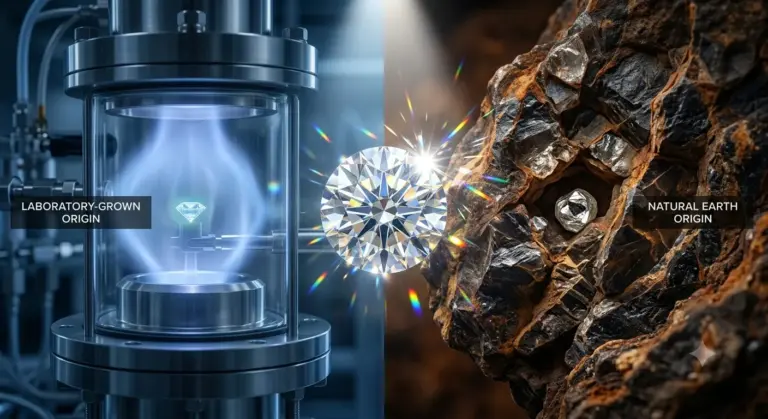
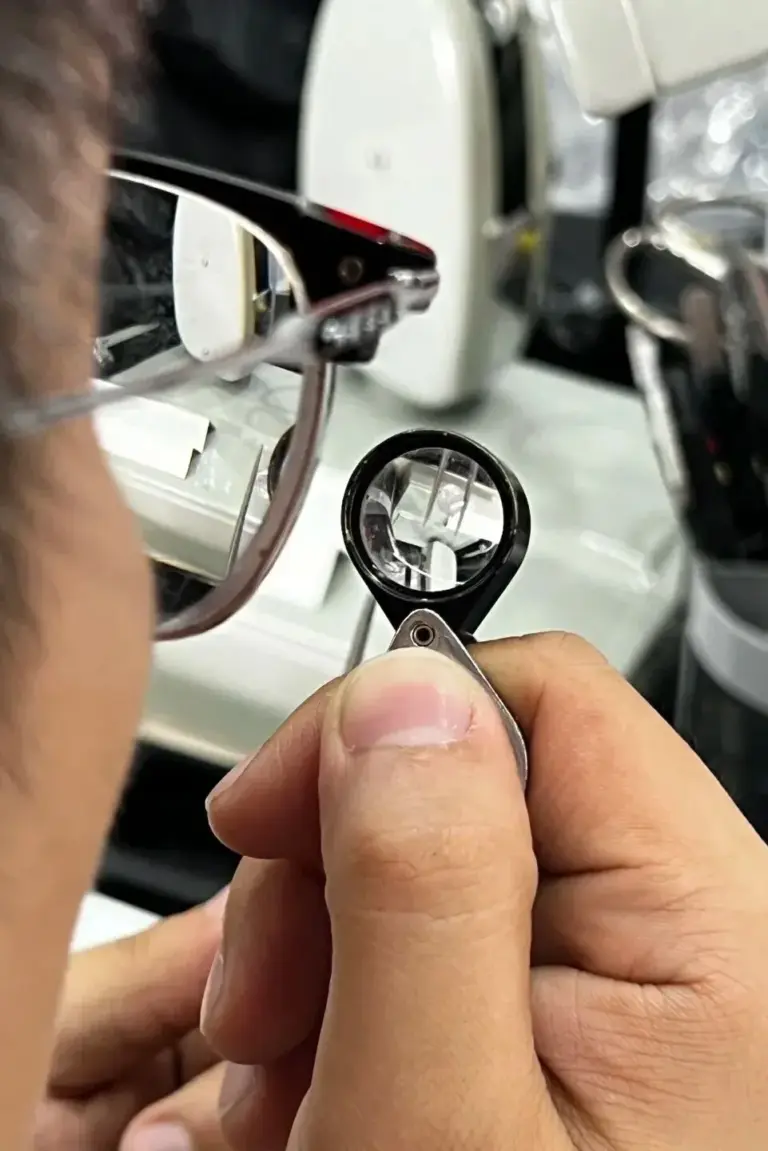
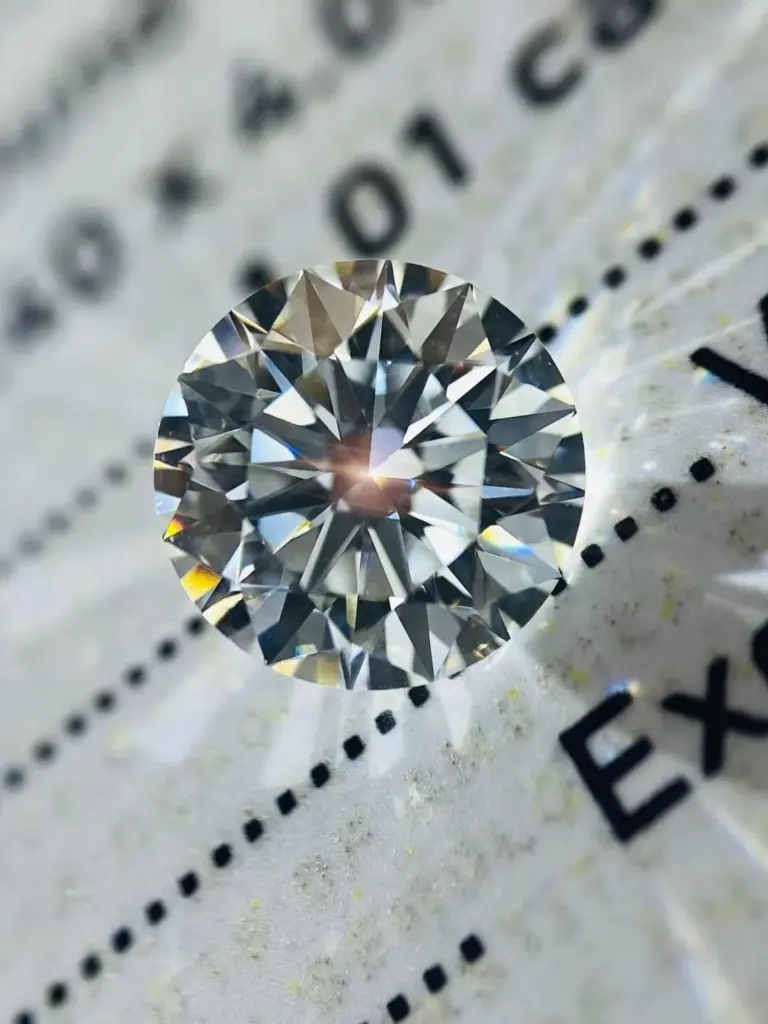
- Identical Properties: Experts and buyers agree that chemically and physically, lab-grown and natural diamonds are exactly the same. Aside from their origin, they are nearly impossible to distinguish with the naked eye or even with professional equipment.
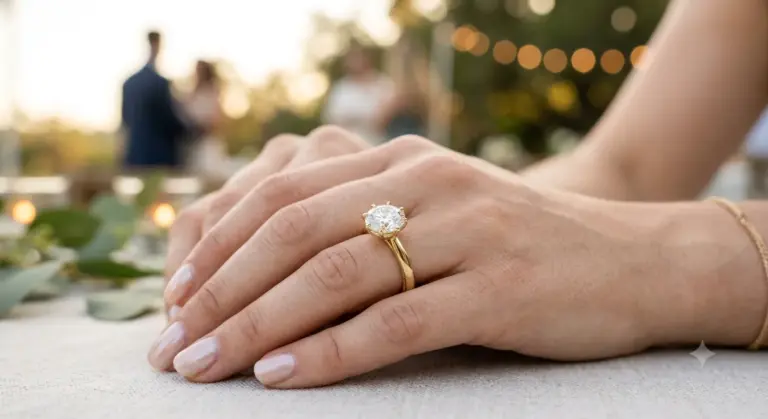
- Market Data: Lab-grown diamonds now account for over 45–60% of engagement rings in the U.S. (figures vary slightly by source). Roughly two-thirds of Gen Z buyers choose lab-grown diamonds, and nearly half of Millennials do as well.
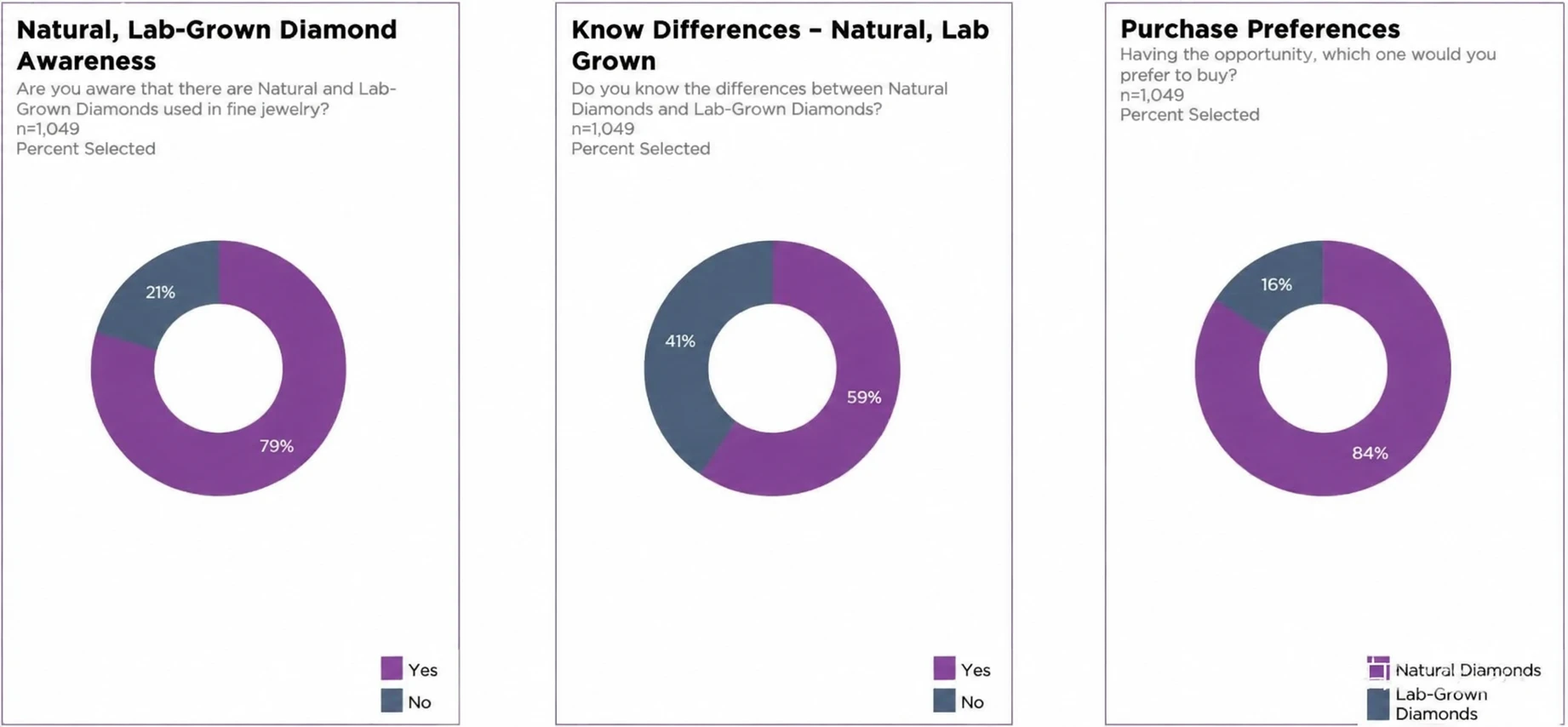
Some people have reservations or negative views regarding lab-grown diamonds
- Resale Value and Emotional Significance: Many people still believe natural diamonds are more “rare,” carry more story and sentimental value, and can be passed down through generations. Because lab-grown diamonds are mass-produced, their resale value is much lower and they barely hold value.
- Traditional Mindset: Some older consumers and those seeking classic luxury still prefer natural diamonds, feeling that lab-grown ones are “not special enough.”
- Brand Influence: Traditional giants like De Beers continue to emphasize the unique status of natural diamonds.
Summary of Findings on “What Americans Think About Lab-Grown Diamonds”
Younger American consumers are becoming increasingly practical. They see lab-grown diamonds as the smart choice (“Why pay several times more for the same sparkle?”). Meanwhile, in the high-end luxury market, natural diamonds continue to hold onto their image of rarity and exclusivity.
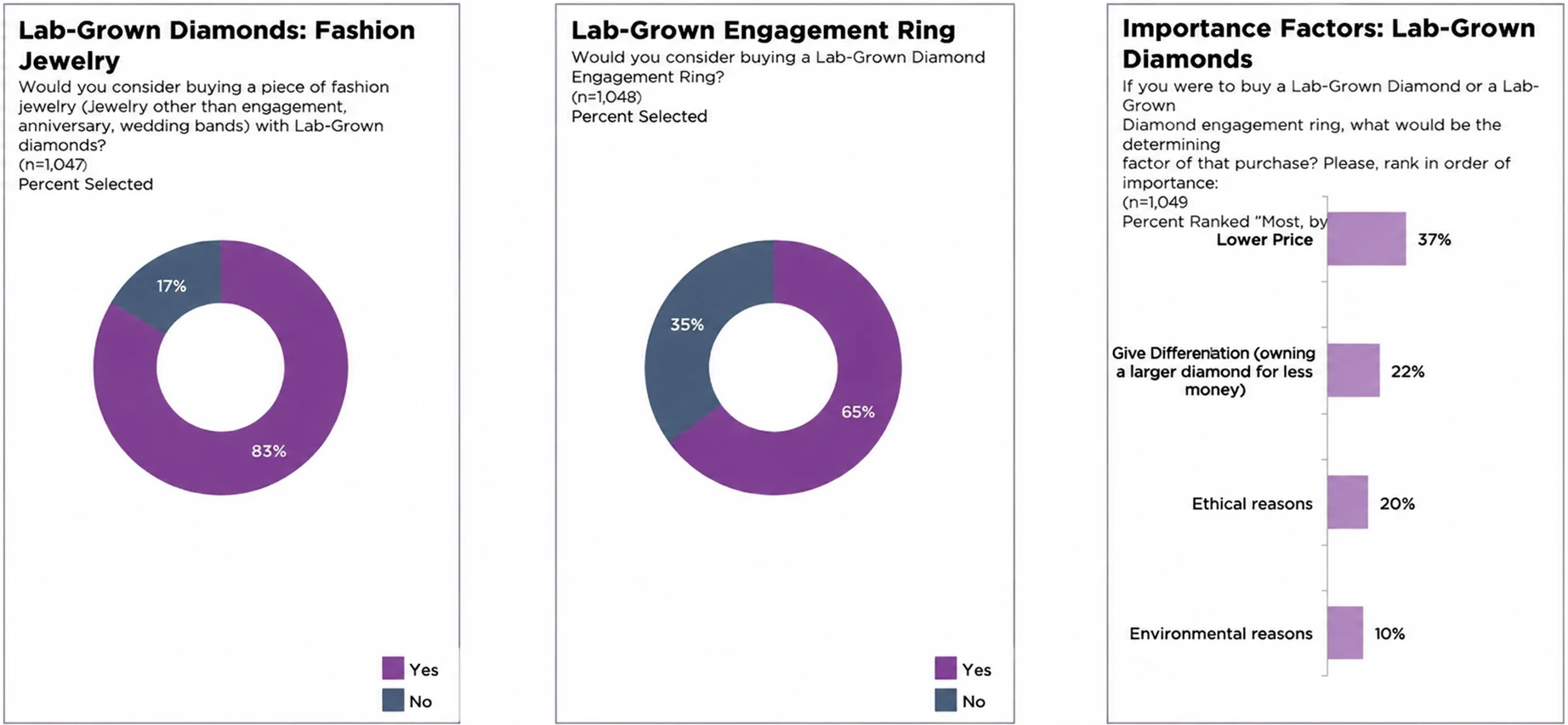
Through GORK’s Q&A on “What Americans Think About Lab-Grown Diamonds,” we’ve found that the rise of lab-grown diamonds in recent years has indeed led to a gradual shift in consumer attitudes.
Gemstone consumers are increasingly returning to a more rational approach to purchasing, gradually freeing themselves from the influence of advertisements by certain major brands.
However, as we can see from the exchange above, some marketers in the gemstone industry are still reluctant to let go of their old ways of thinking. If they don’t embrace lab-grown diamonds soon, they will likely be left behind by the times.
What do you think? What are your thoughts on the results above? We’d love to hear your comments below, or you can log in to the X system yourself and ask GROK.