Do Rich People Buy Lab Diamonds? The Surprising Truth About Wealthy Consumers
Do rich people buy lab diamonds? It’s a fascinating question that challenges our traditional view of luxury. Whether you are a consumer looking for reassurance or a jewelry enthusiast curious about high-society trends, the answer is a resounding yes—rich people absolutely buy lab-grown diamonds.
While the inherent rarity of natural diamonds makes them the preferred choice for long-term investments, wealthy individuals frequently integrate lab-grown diamonds into their lives.
However, their purchasing motivations differ significantly from the general public. Instead of viewing them as traditional symbols of marital commitment or stores of value, affluent buyers focus on fashion versatility, large-carat visual impact, and environmental ethics.
Why Do Rich People Buy Lab Diamonds? Primary Driving Factors
Wealthy consumers generally possess high financial literacy. They are acutely aware that because lab diamonds can be mass-produced, they lack the scarcity required to serve as investment assets. Consequently, they do not view them as financial wealth storage. Instead, they treat them as high-end, everyday accessories.
When answering the question, “Why do rich people buy lab diamonds?” we can look at four primary scenarios:
High-End Everyday Wear and Fashion Versatility
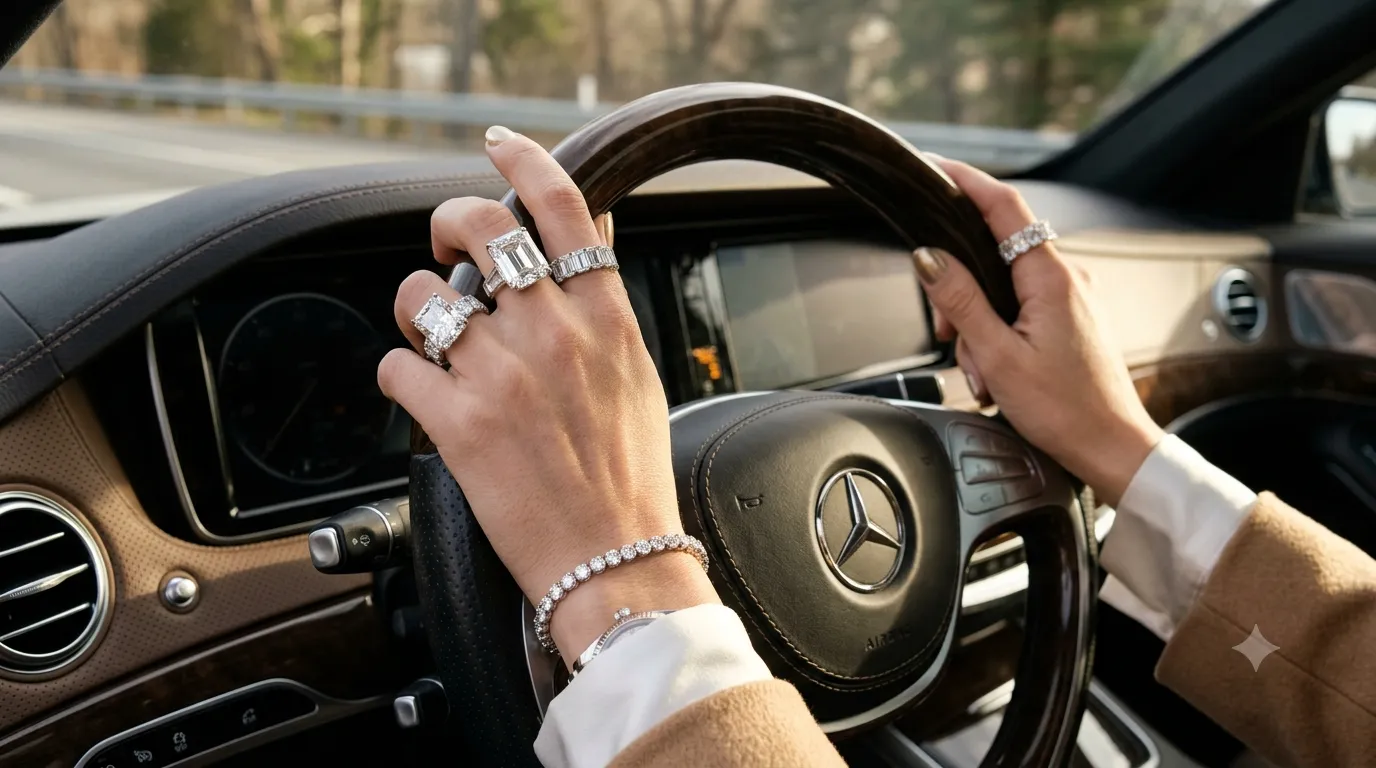
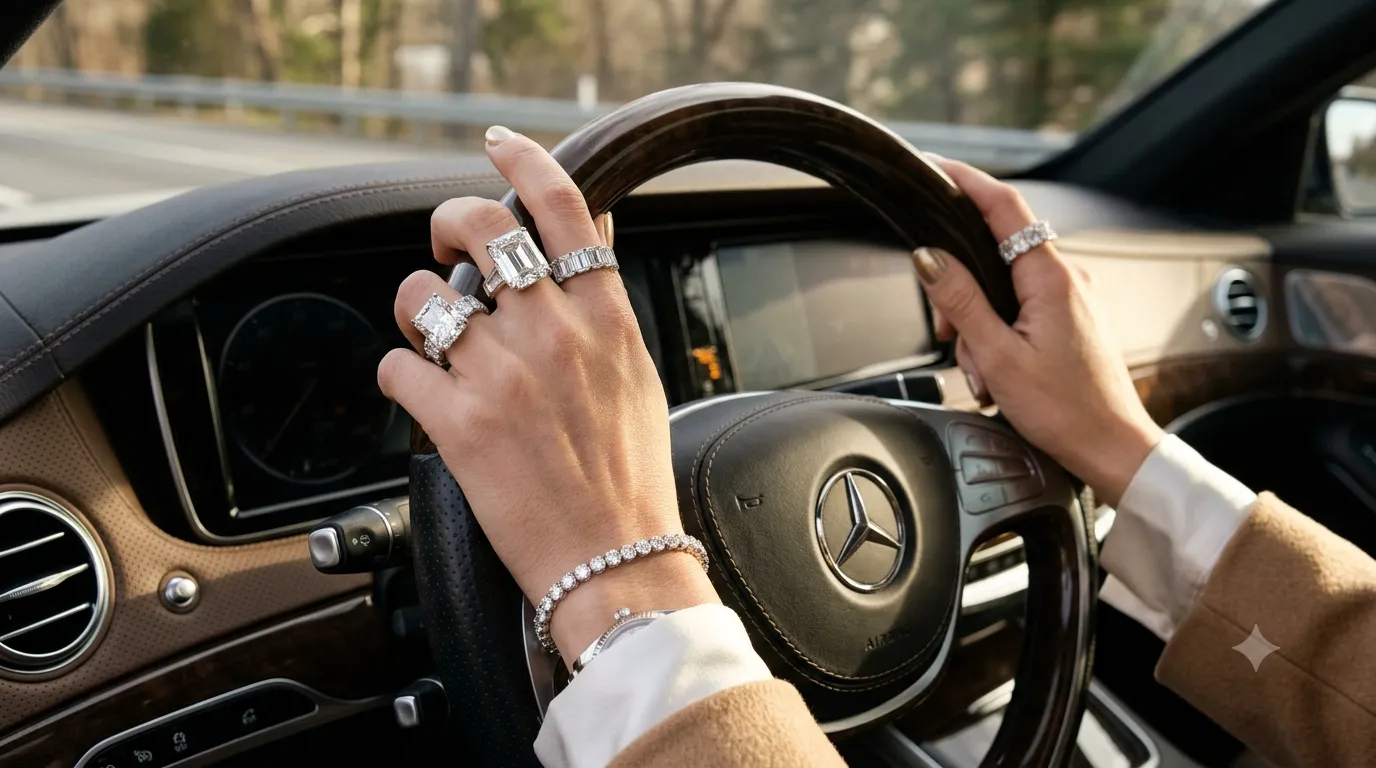
Affluent individuals often treat lab-grown diamonds as their “statement fashion jewelry.” They understand that with the same budget, lab diamonds allow them to acquire much larger carat sizes. Achieving the identical visual statement with natural diamonds would cost five to ten times more, which feels impractical for non-formal, casual wear. Surveys show that roughly 35% of high-net-worth consumers are highly willing to purchase lab-grown diamonds strictly for daily fashion accessorizing.
Maximum Visual Impact for Large-Carat Customization
For luxury custom projects—such as diamond-encrusted sports cars, iced-out high-end watches, or extravagant gala necklaces—the demand for a large volume of identical, high-quality pavé or large stones is immense. Sourcing matching natural diamonds of this scale is incredibly difficult due to supply constraints. In these scenarios, choosing lab-grown diamonds provides the perfect, seamless aesthetic solution without compromising on quality.
Aligning with Eco-Friendly and Ethical Values
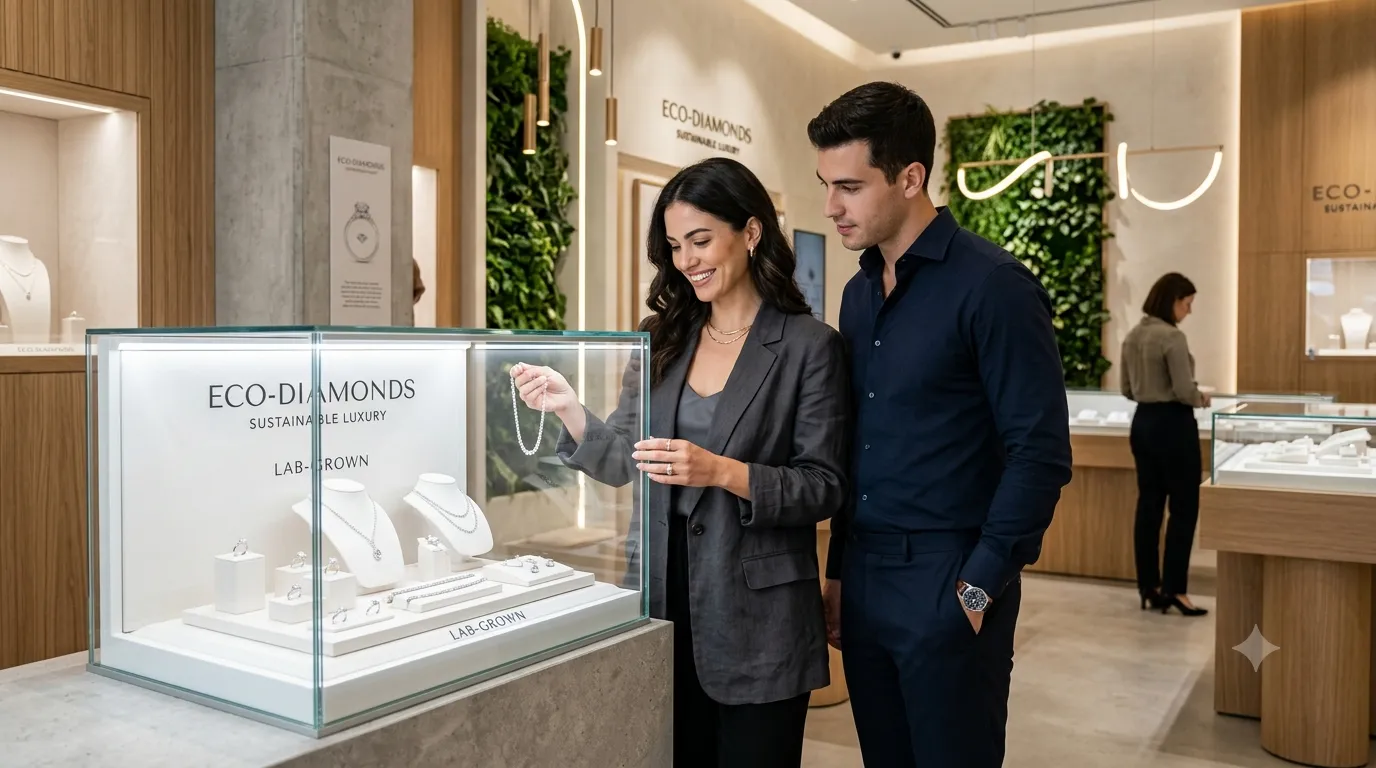
High-income demographics often place a premium on corporate social responsibility and environmental sustainability. For these consumers, lab diamonds represent a low-carbon, conflict-free alternative. Buying them is a way to project their progressive eco-values to the world. This is precisely why luxury conglomerates like LVMH, Prada, and Fred have successfully launched high-end lab-grown diamond collections targeting this exact audience.
Curiosity and Acceptance Among the Next Generation of Wealth
Market research indicates a strong generational shift. Among high earners in the US and UK with an annual income exceeding £150,000/$200,000, over 55% express a strong willingness to buy lab-grown diamonds. This acceptance rate is notably higher than that of average-income demographics, driven by a desire for tech-forward and innovative luxury.
When Do Wealthy Consumers Avoid Lab-Grown Diamonds?
While we have established that rich people do buy lab diamonds for certain lifestyle needs, there are strict boundaries where they still firmly draw the line. Due to social norms and prestige, they will generally reject lab-grown options in the following contexts:
Engagement Rings, Heirlooms, and Fine Art Investments
Natural diamonds take billions of years to form under the earth, making them inherently rare. For highly formal and emotional milestones—such as a high-society engagement ring—wealthy buyers almost exclusively choose natural stones. This stems partially from status anxiety; in elite social circles, affluent individuals are hyper-aware of social prestige and fear negative judgment if peer groups discover they opted for a manufactured stone for a milestone life event. Furthermore, because lab gems lack scarcity, they are completely excluded from heirloom curation or asset allocation.
Traditional Symbols of Social Status
In elite circles, the ruling philosophy is often that “mass-produced items lack exclusivity.” When attending high-profile gala events where jewelry is used as a direct proxy for net worth and status, wealthy individuals rely on the exclusivity of rare, natural stones to signal their position.
3 Typical Scenarios: How the Affluent Use Lab Diamonds
To summarize, affluent buyers know exactly when to choose lab diamonds and when to stick to natural gems. These are their three most common purchase categories:
- High-Rotation Statement Jewelry: Rings, earrings, and pendants that follow seasonal fashion trends. Buying lab diamonds avoids the massive sunk costs of natural diamonds while allowing frequent style updates.
- Luxury Brand Collaborations: Purchasing from avant-garde collections by Prada or Fred. Here, the buyer is paying for the brand’s design premium and prestige, rather than the raw material value of the gemstone itself.
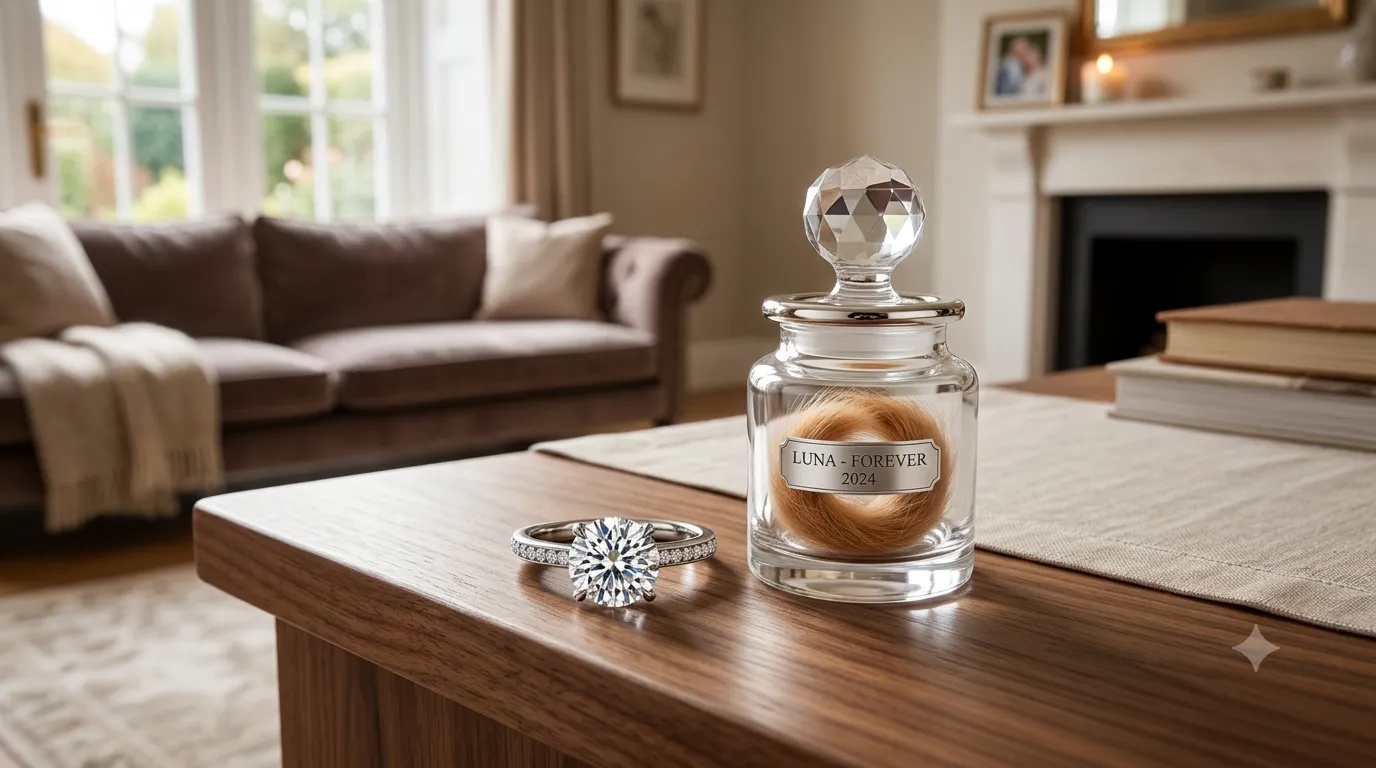
- Bespoke Memorial Diamonds: This is a rapidly growing niche market among affluent pet owners. Through advanced carbon-isolation technology, a pet’s hair or ashes can be transformed into a customized diamond. It serves as a beautiful, everlasting tribute to a beloved companion.
Interested in Custom Diamond Creation?
If you are looking to turn a meaningful biological sample (such as pet hair or ashes) into a certified, bespoke diamond, please leave a comment below. Our team specializes in connecting clients with high-end, upstream customization labs to bring your vision to life.