Lab Grown Diamonds: The Complete 2026 Buyer’s Guide
Table of Contents
What are lab-grown diamonds? Are they different from natural diamonds?
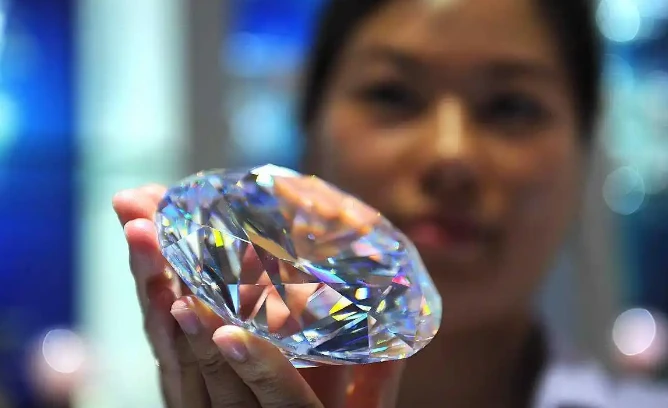
Lab grown diamonds, also known as cultured diamonds or lab created diamonds, are 100% real diamonds made in a controlled laboratory. They have identical physical, chemical, and optical properties to natural mined diamonds.
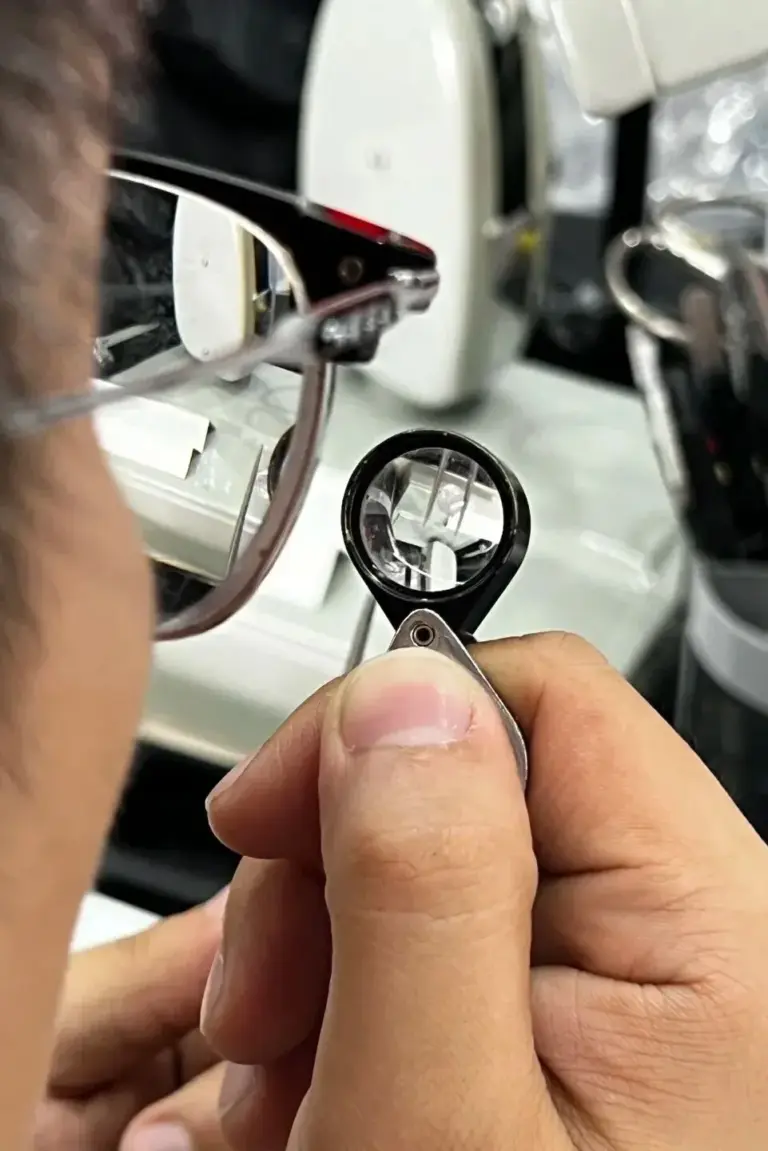
The only differences are microscopic and can only be identified by professional gemological tools, such as Diamond View and UV-Vis spectrometers. To the naked eye, lab grown diamonds look exactly the same as natural diamonds.
Unlike simulants like moissanite and cubic zirconia (CZ), lab grown diamonds are real diamond crystals, not imitations. They have completely replaced old diamond alternatives and become the best affordable choice for diamond jewelry.
How Are Lab Grown Diamonds Made?
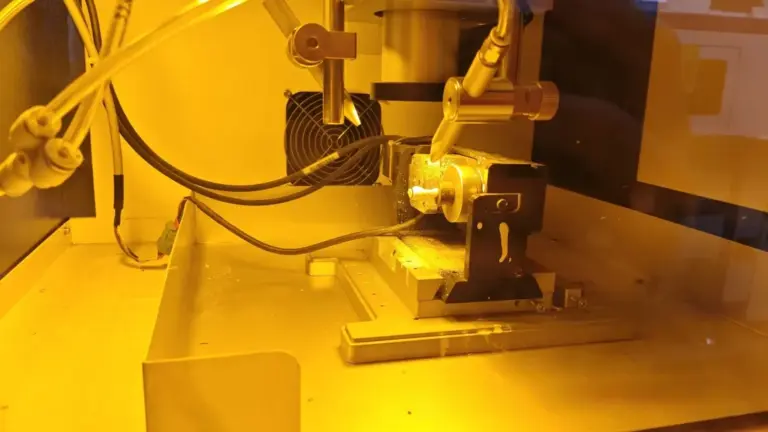
ab grown diamonds copy the natural diamond formation process to turn carbon into diamond structure. A 1-carat finished lab diamond can be grown in just 15 days, while natural diamonds take billions of years.
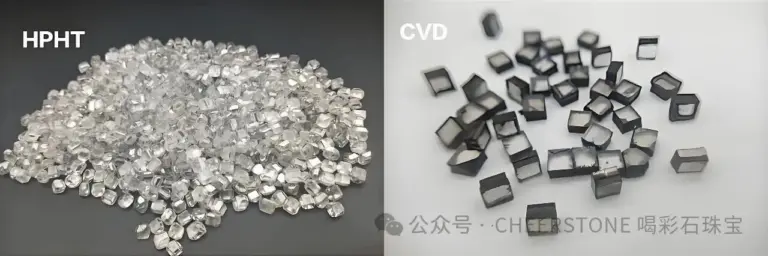
There are two main production methods:
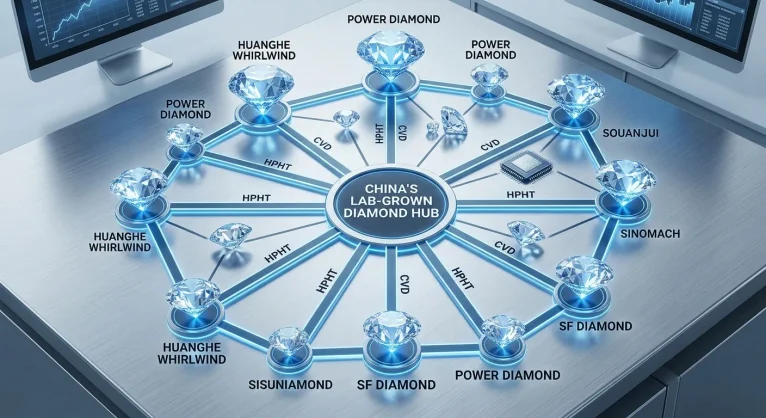
HPHT (High Pressure High Temperature)
- Mainly used for diamonds under 2 carats
- Produces high color grades
- Clarity needs slight selection

CVD (Chemical Vapor Deposition)
- Mainly used for diamonds over 2 carats
- Delivers high clarity
- May need heat treatment to improve color
These two methods have no quality difference and similar wholesale prices at the same grade. You don’t need to worry about the growth method — just check the certificate.
Lab Grown Diamond 4Cs Grading: How to Choose
Lab grown diamonds use the same 4Cs grading system as natural diamonds, plus fluorescence. Overall quality is extremely high.
1. Carat Weight
Most popular range: 0.5ct – 2ct. Most buyers choose larger carats for better value.
2. Color
Grading scale: D (colorless) to Z.
Nearly all lab grown diamonds are D–F color (top tier).
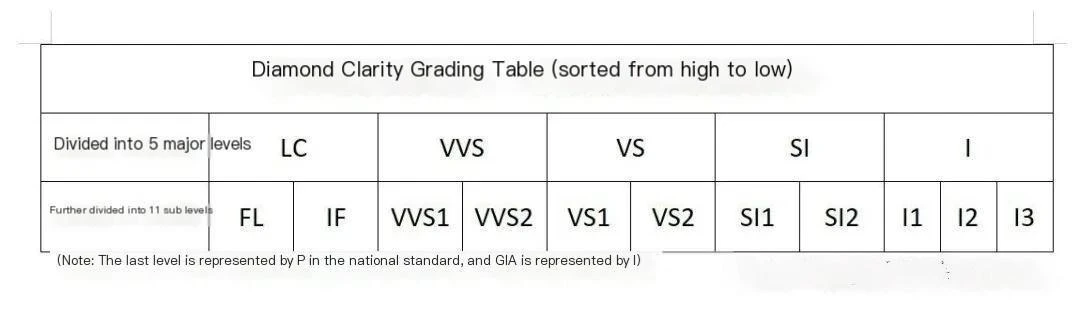
3. Clarity
Grading scale: FL, IF, VVS1/2, VS1/2, SI1/2, I1–3.
Most lab diamonds are VS clarity or higher.
4. Cut
Most lab diamonds are cut to 3EX (Excellent) for maximum fire and brilliance.
5. Fluorescence
Recommended: None (N). Fluorescence only shows under UV light and does not affect daily wear.
Best Recommended Grade
D/E VS1 3EX None
Lab Grown Diamond Certifications: Which Is Best?
IGI (International Gemological Institute)
- Most popular for lab grown diamonds
- Lower cost, high international recognition
- IGI India and IGI Shanghai use the same standard
- Best choice for most buyers
GIA
Available but expensive — not necessary for lab diamonds.
NGTC
Chinese national authority, mainly for finished jewelry.
Conclusion: IGI is fully sufficient.
Lab Grown vs Natural Diamond Price Comparison 2026
Lab grown diamonds cost only 10%–20% of natural diamonds of the same quality.
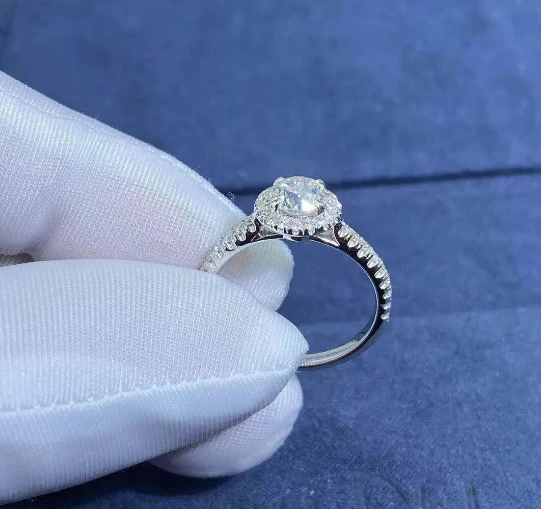
- 0.5ct lab diamond ring: ~$700+ | natural: ~$2,000+
- 0.7ct lab diamond ring: ~$850+ | natural: ~$2,800+
- 1ct lab diamond ring: ~$1,000+ | natural: $5,500–$8,500
- 1.5ct lab diamond ring: ~$1,300+ | natural: $12,500–$21,000
- 2ct lab diamond ring: ~$1,700+ | natural: $21,000–$35,000
With the same budget, you can get 2–3 times larger carat weight with lab grown diamonds.
Where to Buy Lab Grown Diamonds
Big mainstream jewelry brands rarely offer lab grown diamonds. The market is dominated by wholesalers and custom jewelers with no brand premium.
To get the lowest price and best quality, buy directly from professional diamond suppliers.
Are Lab Grown Diamonds Good for Engagement Rings?
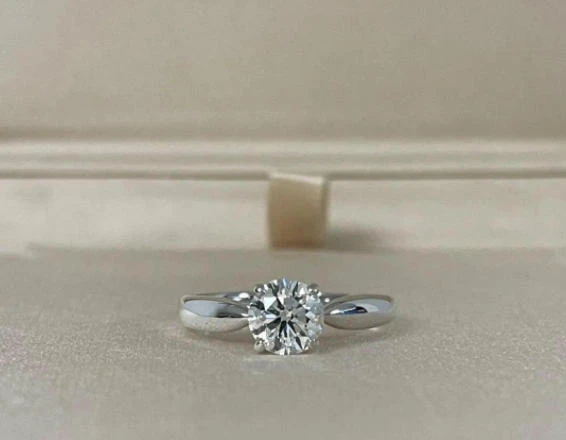
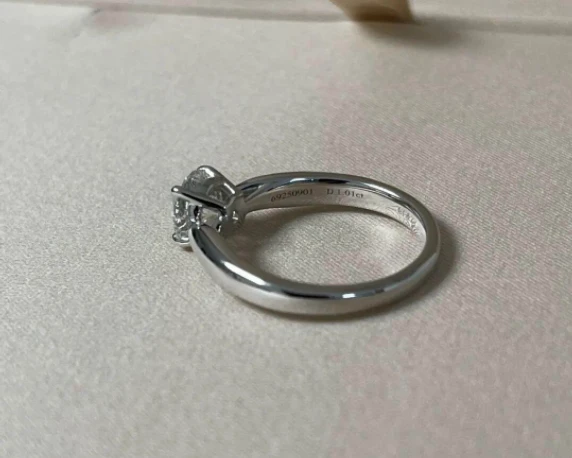
- Same visual look as natural diamonds
- Much lower price
- Larger, whiter, cleaner diamonds for less money
- Eco-friendly and modern, perfect for young people
You can save your budget for gold jewelry while wearing a stunning diamond ring.
Final Thoughts
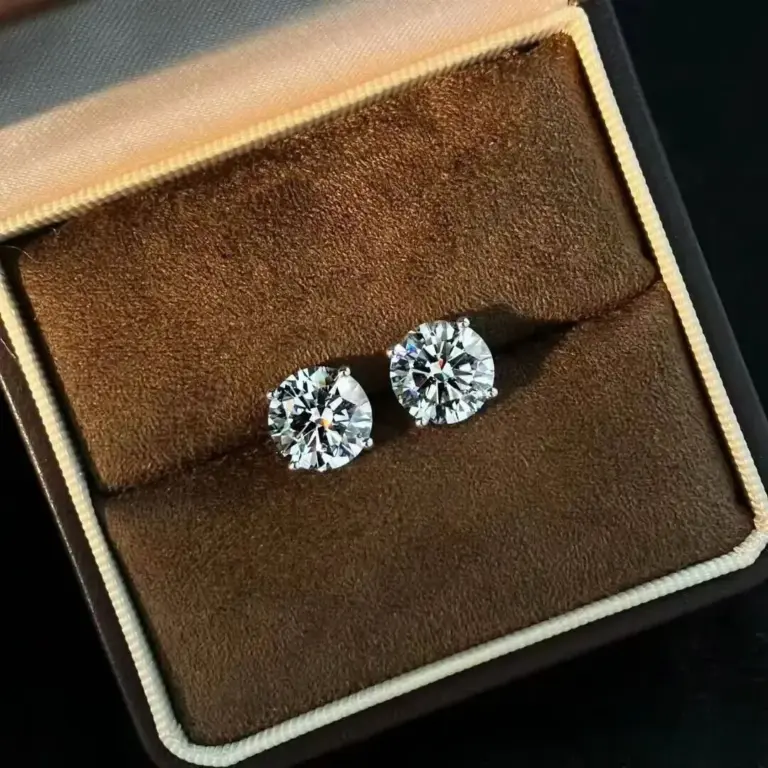
Lab grown diamonds are real, high-quality, affordable, and ideal for engagement rings, earrings, pendants, and daily wear. With consistent top-grade quality and unbeatable prices, they are the best diamond choice in 2026.
References: