Will Luxury Brands Use Lab-Grown Diamonds? (2026 Industry Truth)
Quick Summary:
Yes. Some of the biggest names in luxury already are—just not in the way traditionalists want you to think. LVMH-backed Fred and TAG Heuer, Prada, and mass-premium giant Pandora publicly use laboratory-grown (lab-created) diamonds in current collections. But heritage haute joaillerie houses like Cartier and Van Cleef & Arpels still keep natural diamonds as their core. What’s really happening is category segregation, not a simple yes/no.
Table of Contents
Which Luxury Brands Already Use Lab-Grown Diamonds?
Let’s name names. If you’re googling “will luxury brands use lab-grown diamonds,” the actual news isn’t speculation—it’s already happening:
LVMH Group: investment + pilot lines
LVMH Luxury Ventures led a ~$90M funding round in Israeli lab-grown diamond startup Lusix (2022), signalling long-game interest in upstream capability.
TAG Heuer put lab-grown diamonds front and centre with the Carrera Plasma, using CVD-grown diamonds on the dial, bezel, and even the crown in vivid fancy colours that are nearly impossible to source consistently from mines.
Fred (LVMH) launched Audacious pieces featuring lab-grown blue diamonds inspired by Mediterranean sea light—where consistent colour and clarity come from controlled growth, not geological luck.
Pandora: the “Diamonds for All” scale play
Prada’s Eternal Gold fine jewellery line uses recycled gold + laboratory-grown diamonds, including a proprietary triangular “Prada Cut.” It’s positioned as traceable luxury, not discount jewellery
Pandora began pivoting to lab-grown diamonds in its premium collections (Nova line, etc.) and frames each stone’s carbon footprint at a fraction of mined output—then sells it at flat, transparent pricing instead of opaque “rarity” markups.
Independent luxury voices
- Jean Dousset (Cartier descendant) offers GIA-certified lab-grown diamond lines, leaning into heritage craft without mined-stone gatekeeping.
- Brilliant Earth / Vrai and similar “ethical luxury” retailers built entire brands on lab-created stones + traceable metals.
Bottom line: The question “Do luxury brands use lab-grown diamonds?” is already answered by their product pages. The smarter question is which tier, and under what narrative.
Who Refuses—and Why De Beers Shut Down Lightbox
Heritage maisons: Cartier, Van Cleef, Harry Winston
These houses still centre natural diamonds in core high jewellery and bridal lines. Their entire premium rests on:
| What they sell | Why does lab-grown threaten it |
|---|---|
| Billions of years of geological origin | Lab diamonds grow in ~2–4 weeks |
| Scarcity = pricing power | Supply can be scaled; scarcity becomes a choice, not a fact |
| Emotional inheritance narrative (“heirloom,” “forever”) | Hard to pitch “forever” when the stone’s market price drops fast |
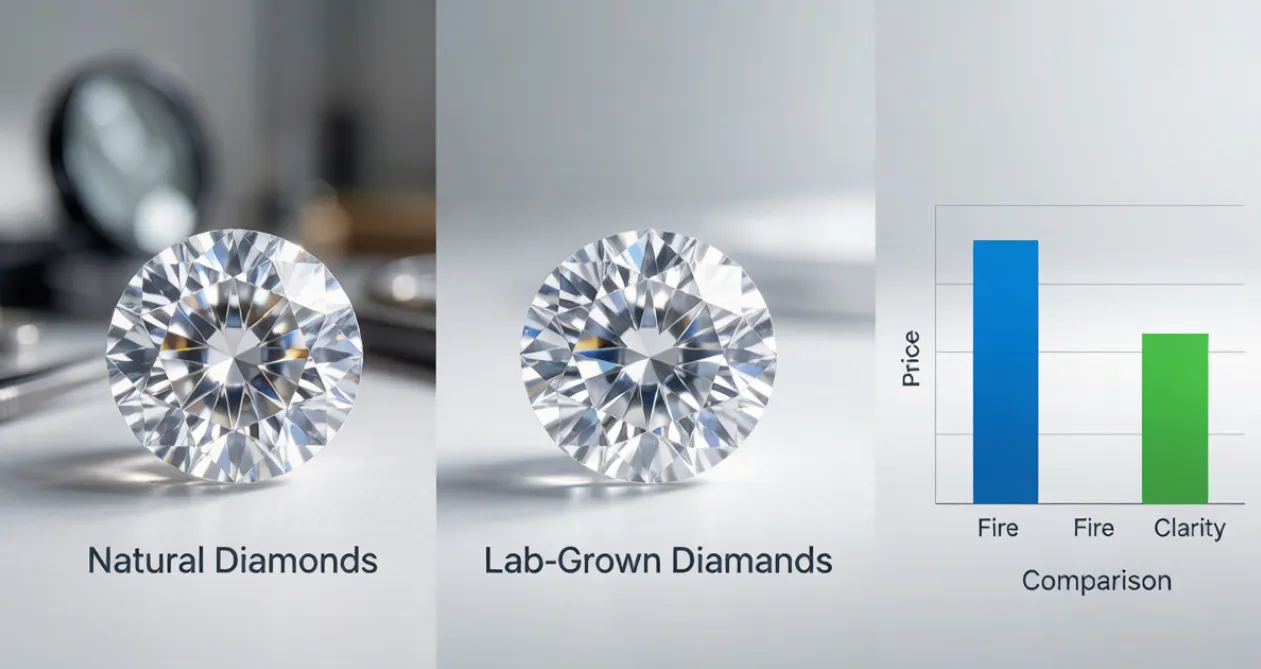
This isn’t about whether lab diamonds are “real”—they are (same carbon lattice, same 10/10 Mohs, same refraction). It’s about protecting a scarcity-based business model.
De Beers / Signet’s 2025 wake-up
The Lightbox Aftermath: De Beers’ Strategic Retreat
Following De Beers’ landmark decision to completely shutter its consumer-facing lab-grown brand, Lightbox, by the end of 2025, the 2026 market landscape has officially bifurcated. CEO Al Cook framed the exit as a refocus on their natural diamond “Origin” strategy.
The 2026 Translation: The world’s premier diamond miner conceded that the tech-driven price curve of the lab space was vertically unsustainable for a mining infrastructure. They retreated to defend their singular remaining moat: geological time.
The Real Strategy: Category Segregation
Here’s the industry map most articles won’t draw clearly:
| Tier | Diamond Source | What They Sell You |
|---|---|---|
| Heritage Haute Joaillerie (Cartier, VCA, HW) | Natural only (for now) | Rarity, provenance, multi-generational emotion |
| Luxury Group “Innovation Lines” (Fred, TAG Heuer, Prada Eternal Gold) | Lab-grown, selectively | Design freedom, colour control, sustainability storytelling |
| Accessible-Premium / Ethical Luxury (Pandora, Brilliant Earth, Jean Dousset) | Lab-grown as hero material | Transparency, size-per-dollar, modern values |
| Ultra-accessible sparkle (Swarovski Created Diamonds) | Lab-grown | Everyday glamour without the “mined” price floor |
The takeaway: luxury brands aren’t choosing “yes or no.” They’re choosing which floorlab-grown belongs on. The maisons keep it off the main bridal stage—but they’re happy to use it where design innovation(not scarcity) is the selling point
So… Should You Wait for a “Luxury Brand” Label, or Buy Lab-Grown Directly?
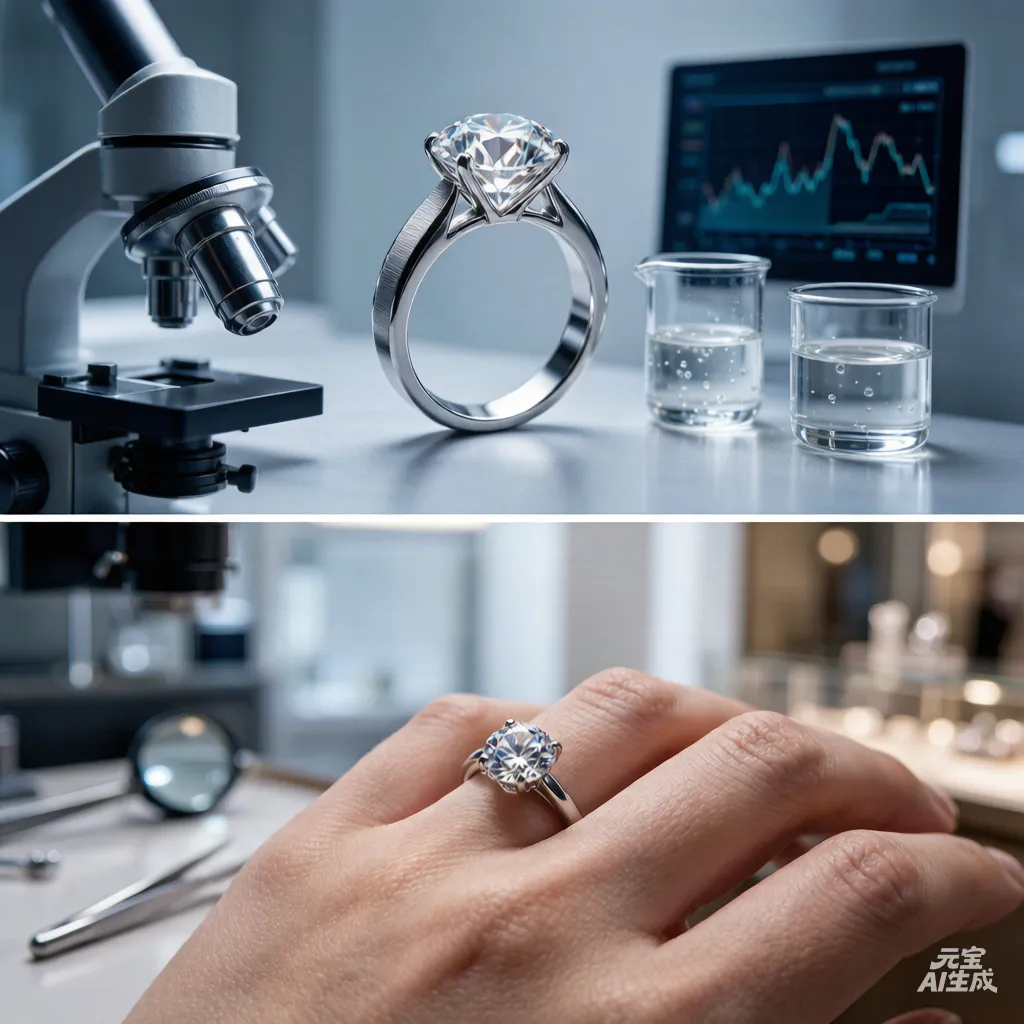
Here’s the uncomfortable truth: the glossy ads won’t print:
You’re not paying for the diamond. You’re paying for the name on the box that justifies the scarcity story.
If what you actually want is sparkle, durability, and a stone you love looking at, here’s why buying a certified lab-grown diamond directly from a transparent seller often beats the “luxury brand” path:
1. Lab-grown diamonds are real diamonds
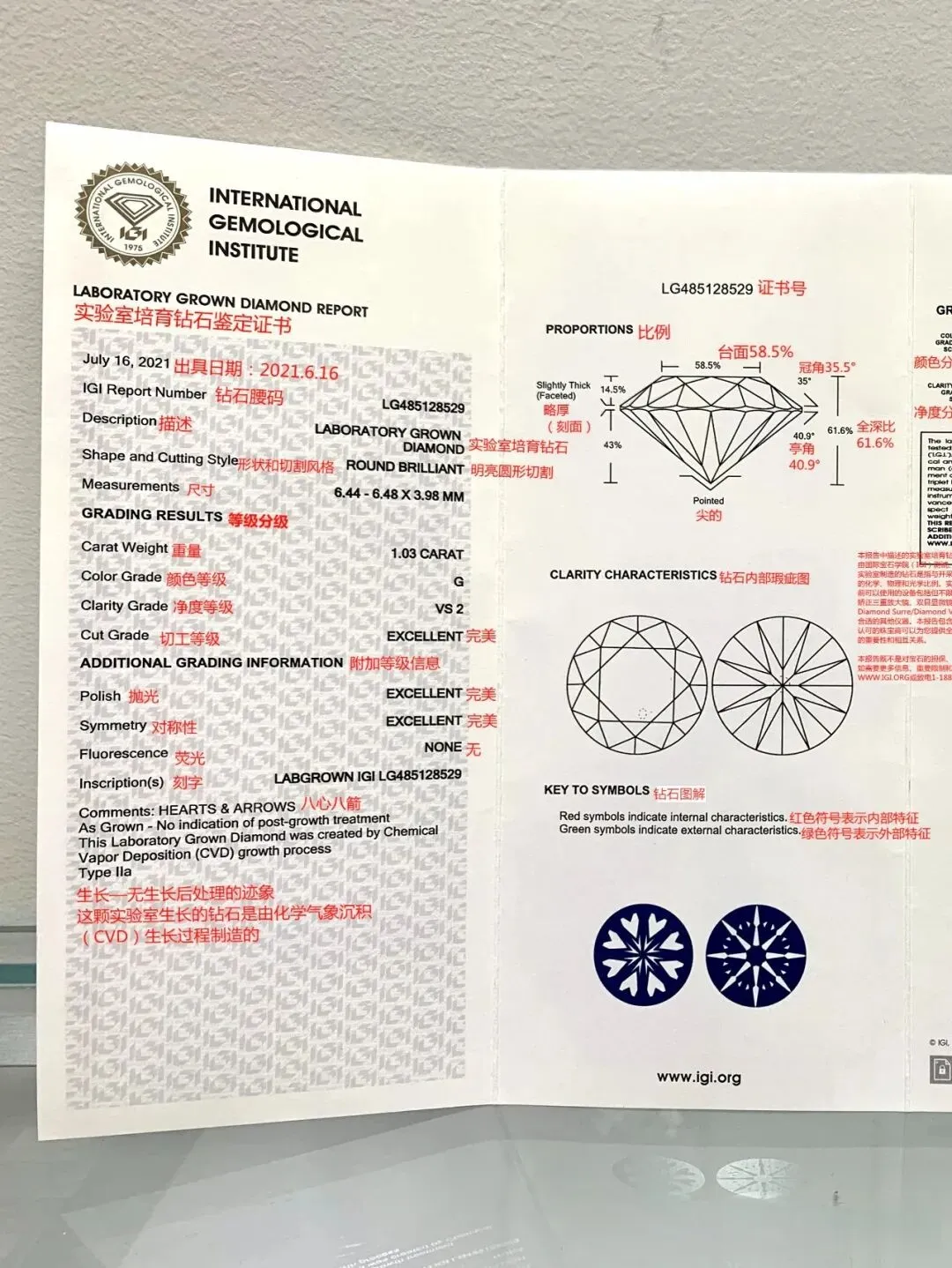
Both GIA and IGI certify lab-grown diamonds. They share the same chemical composition (pure carbon), crystal structure, hardness (10/10 Mohs), and optical fire as mined stones. The FTC classifies them as genuine diamonds—only the origin differs.
(Note: GIA updated its lab-grown reporting from Oct 2025 onward to use descriptive tiers like Premium / Standardrather than hyper-granular traditional 4C numbers—because >95% of lab stones cluster in high colour/clarity ranges anyway.)
2. Same budget = way more diamond
Conservatively, a comparable lab-grown stone often runs 60–85%+ less than a mined equivalent, depending on size and market timing
| Budget | Mined Diamond (Typical Retail) | Lab-Grown Diamond (2026 Value) |
| $2,000–$3,000 | ~0.3–0.5ct, visible tint or inclusions | 1.0–1.5ct+, GIA Standard (E-J, VS) or IGI Ideal Cut |
| $5,000–$8,000 | ~0.5–0.8ct commercial piece | 1.5–2.5ct+, GIA Premium (D, VVS) or IGI D-F / VVS |
| $10,000+ | ~0.8–1.2ct top-tier natural | 3.0ct+ Showstopper + Bespoke 18K Setting |
Shopping Intelligence for 2026: Note how grading reports differ. Since GIA retired traditional 4C numbers for lab stones, an allintitle: 1.5 carat diamond ring lab grown search will show a clear divide: smart buyers choose IGI certificates when they want granular D-to-Z color specs, and GIA Quality Assessments when they target a blanket “Premium” designation. Either way, you are redirecting the luxury scarcity tax into visible, breathtaking fire.
Traceability, you don’t have to squint at
With mined stones, “conflict-free” is often a paper trail. With lab-grown from a serious seller, you get:
- Laser inscription linked to certificate number
- Documented growth method (CVD / HPHT) and any treatment disclosure
- Recycled/responsible gold or platinum options
- No artisanal mining exploitation shadow
“Resale value” fear—debunked honestly
We’ll be straight with you: most jewellery—natural included—loses a big chunk at retail exit because you’re paying for brand margin, not bullion. Lab-grown’s secondary market is thinner today, yes—but ask yourself honestly:
Am I buying this as a financial asset, or as something I want to wear and feel amazing in 300 days a year?
If it’s the latter (and it almost always is), spending 70% less to get 200% more visual impact is the better math.
You get the design freedom luxury brands reserve for their mood boards
Because material cost doesn’t punish every extra pointer or pave stone, lab-grown lets you:
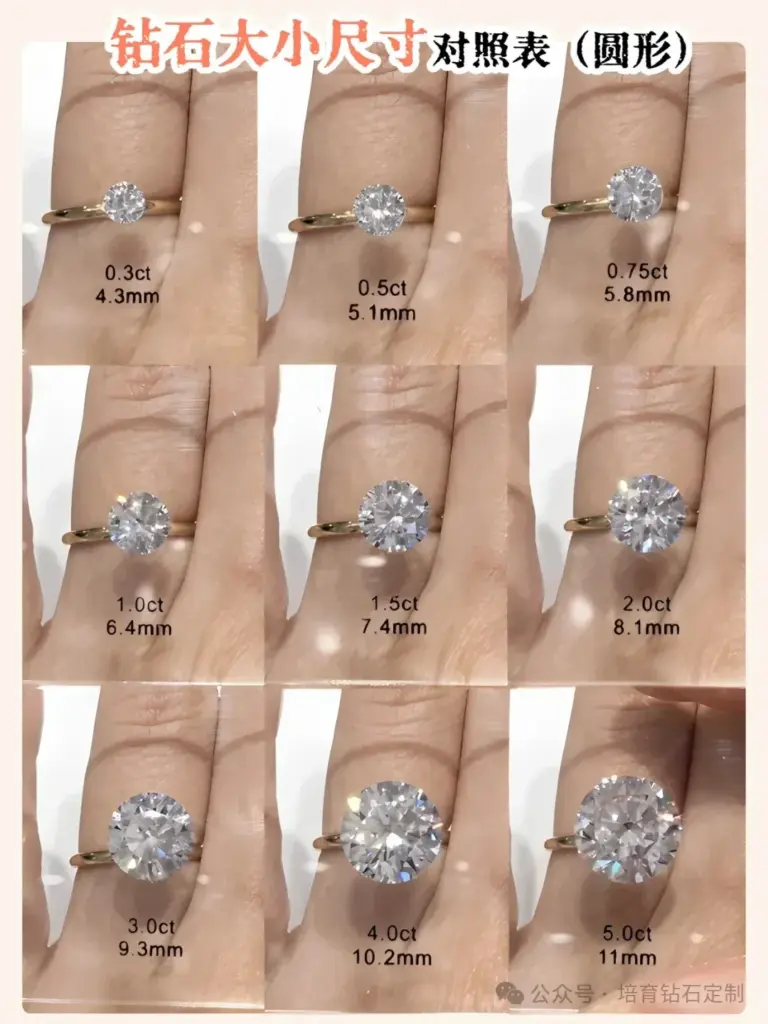
- Size up to 2ct / 3ct+ without the anxiety
- Explore fancy colours (pink, blue, champagne) at sane prices
- Choose asymmetric, architectural, or heavy-pave settings that would be cost-prohibitive in natural settings
Check out our curated collection of certified lab-grown diamond rings directly from the growers.”
How to Buy a Certified Lab-Grown Diamond Safely
Don’t let “lab-grown” become a cover for corners being cut. Use this checklist:
| ✅ | Checkpoint | What to Look For |
|---|---|---|
| 1 | Third-party certificate | IGI or GIA report explicitly stating “Laboratory-Grown” / growth method (CVD or HPHT) |
| 2 | Inscription matches cert | Laser inscription on the girdle should match the report number—verify with a loupe |
| 3 | 4Cs still matter | Prioritise above all (Excellent/Ideal). Colour/Clarity = personal budget balance, not vanity |
| 4 | Metal integrity | 18K (750) or PT950 stamp; avoid brass-filled mystery alloys sold as “gold tone” |
| 5 | Return & resize policy in writing | If they can’t state it clearly, walk away |
| 6 | No “cheap/fake” language | FTC-compliant sellers say lab-grown / lab-created / cultured—not misleading “synthetic” in consumer copy |
Pro tip for Google searchers: Search “[your city] certified lab-grown diamond jeweler”or “IGI GIA lab created diamond [carat] engagement ring”for the highest-intent local results.
FAQ — Answering the “People Also Ask” Google Pulls
Do Cartier or Tiffany use lab-grown diamonds?
Cartier and Tiffany & Co.’s core high-jewellery and classic bridal lines still run on natural diamonds and traceability/mine-origin storytelling. Neither has rolled lab-grown into their flagship solitaire bridal lineup. That said, the LVMH orbit (Fred, TAG Heuer) and competitors like Prada already do—so the “never” absolutism is outdated.
Are lab-grown diamonds “fake” or “synthetic”?
Not fake. They’re crystallised carbon with the same lattice as mined diamonds. Gemologically, they’re real diamonds; the word “synthetic” in technical contexts means synthesised, not imitation. Cubic zirconia and moissanite are simulants—a lab-grown diamond is the real stone, just grown in a reactor.
Why did De Beers shut down Lightbox?
Because lab-grown pricing kept falling, and competing with your own lower-price product while trying to protect natural diamond premiums is a losing tug-of-war. The shutdown was a defensive brand-positioning move, not a scientific indictment of lab diamonds.
Will lab-grown diamonds ever “replace” natural?
They’ve already replaced natural in search demand for many everyday categories (~4:1 ratio in US searches per some 2026 analyses). But natural diamonds retain cultural gravity in proposal/legacy moments. Expect parallel markets—not total replacement.
The Bottom Line
Luxury groups use lab-grown diamonds where it serves their design layout, and reject them where they threaten their legacy mining margins. That isn’t hypocrisy—it’s calculated business.
But you don’t have to fund their gatekeeping. If you want a larger, brighter, flawlessly cut diamond on a budget that makes economic sense, lab-grown isn’t a compromise on luxury. It’s the version where you keep the capital—and own the sparkle.
💎 Ready to bypass the luxury markup?
- Discover our direct-from-grower vault of Certified Lab-Grown Diamond rings (IGI & GIA assessed).
- Skip the boutique premium and craft your heirloom with our Upstream Bespoke Jewellery Design Service.
Finally, thank you very much for reading this far. We hope you found this helpful. We invite you to check out more “Diamond Facts” on our site, and we’d love to hear your valuable feedback.