Natural Diamond vs Lab-Grown Diamond: 4 Key Differences You Must Know
Just like the ice in your refrigerator shares the exact same chemical composition as the ice in a glacier, natural diamonds vs lab-grown diamonds are fundamentally made of the same substance: carbon. The only real difference is that natural diamonds are treasures grown by Mother Nature, while lab-grown diamonds are products of modern technology.
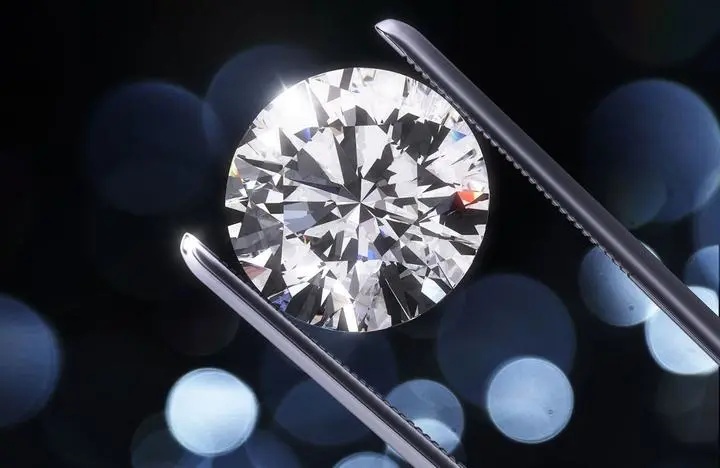
Diamonds, known as the “King of Gemstones,” have always been a hot topic, and their high-tech counterpart is now equally popular. Unlike diamond simulants such as Moissanite or Cubic Zirconia (CZ), a lab-grown diamond is a “real diamond” cultivated in a laboratory by replicating the natural crystallization process. In today’s market, they are officially referred to as “laboratory-grown diamonds” or “cultivated diamonds.”
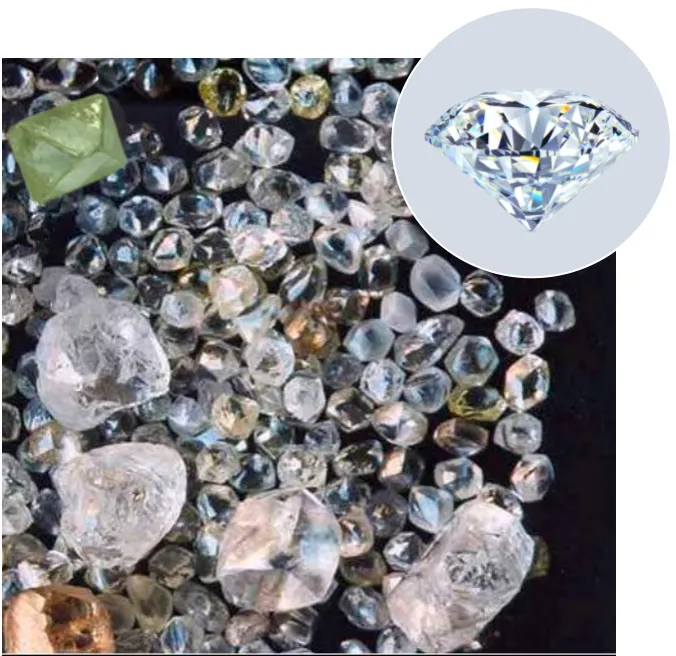
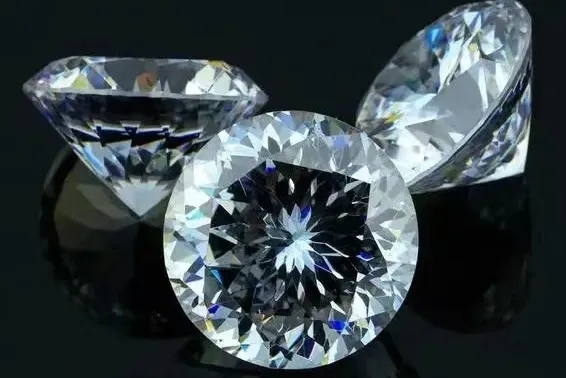
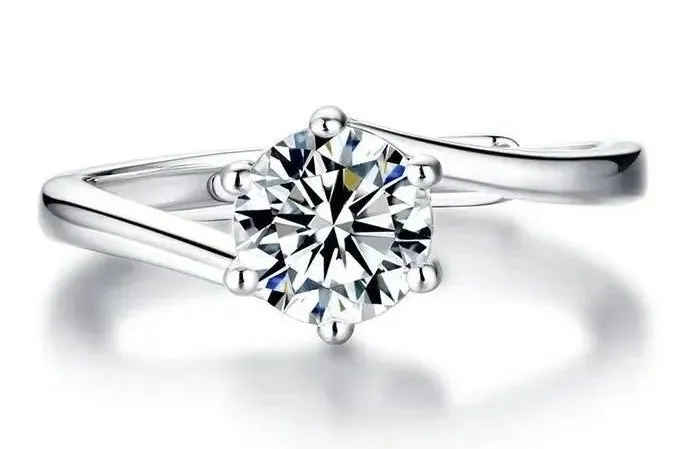
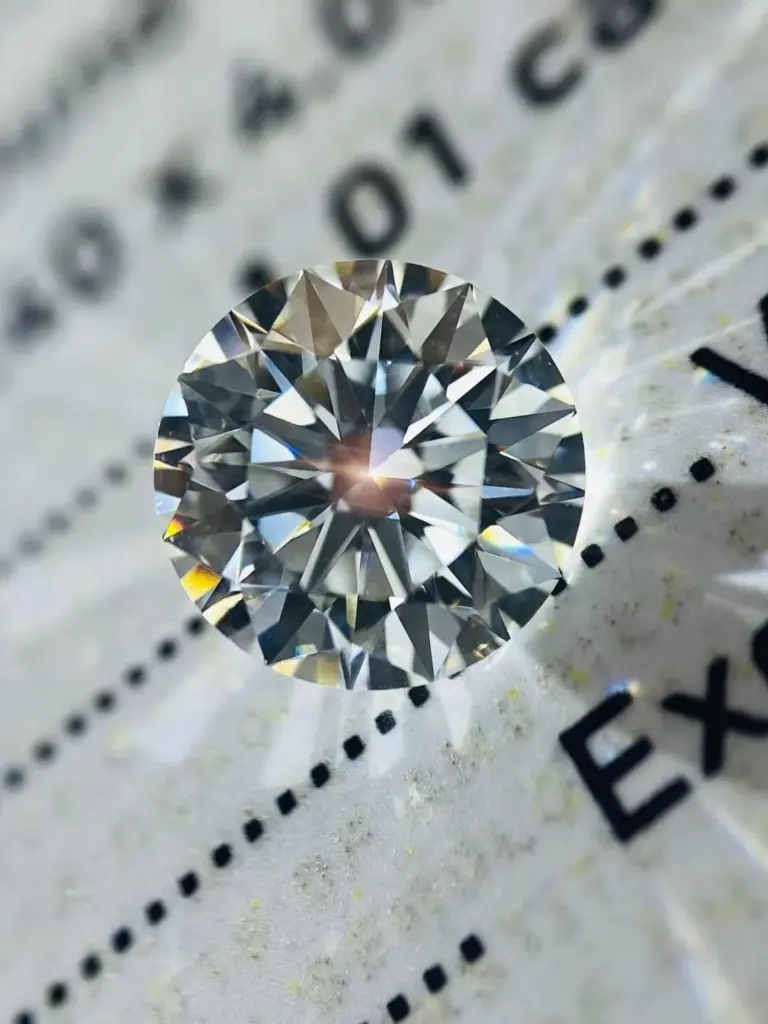
Once cut and polished, it is virtually impossible to spot the difference between natural and lab-grown diamonds with the naked eye. Lab-grown diamonds share identical chemical compositions, crystal structures, refractive indices, relative densities, dispersion, hardness, thermal conductivity, and electrical resistivity with natural diamonds. Only advanced, specialized laboratory equipment can tell them apart.
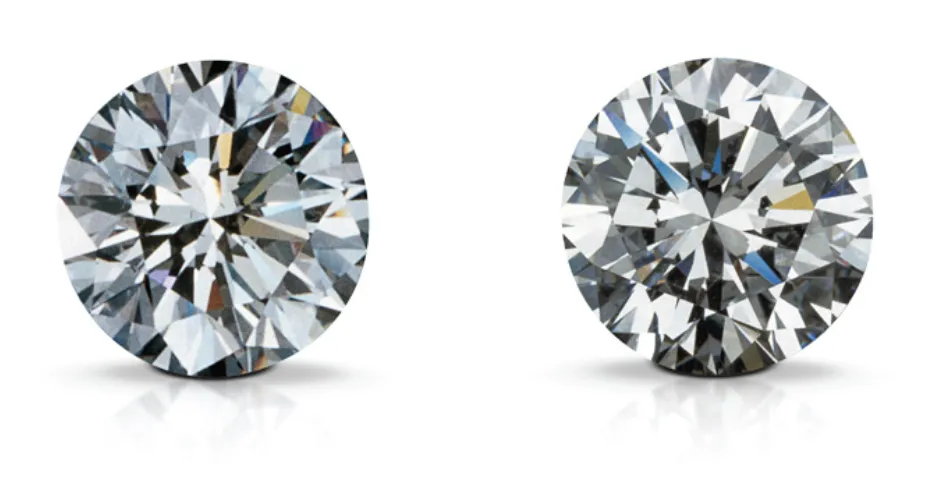
Although both are “real diamonds,” “natural origin” remains the core value in the jewelry world. The rarity and romantic symbolism of natural diamonds are things a lab-created alternative cannot fully replicate. Therefore, knowing how to tell if a diamond is lab-grown is essential for consumers and jewelers alike.
Natural diamond vs lab-grown diamond——Different Formation Processes
Natural Diamonds
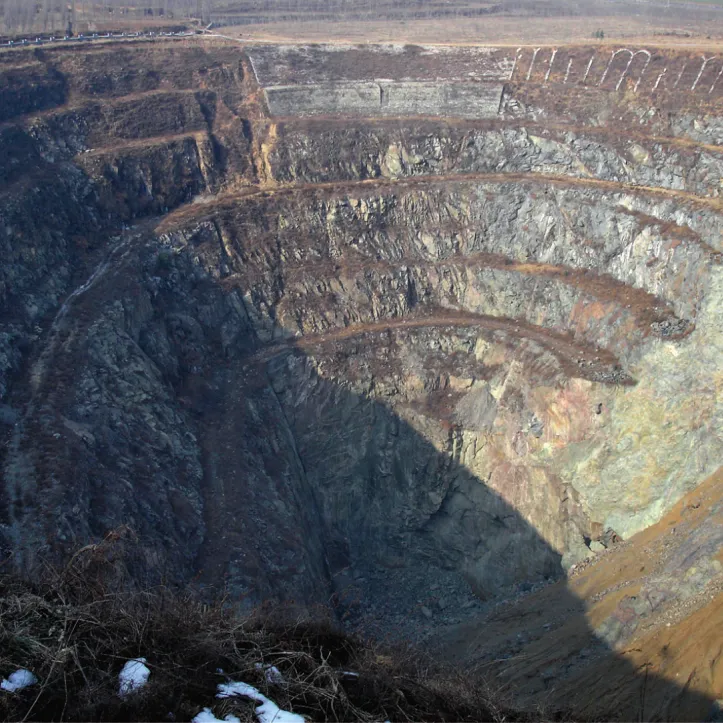
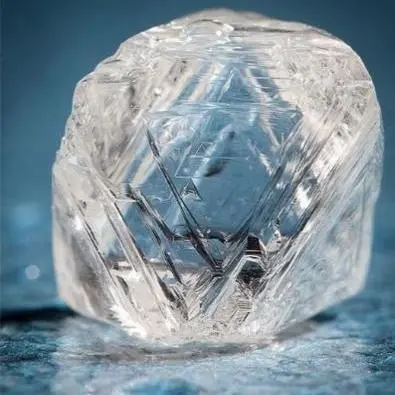
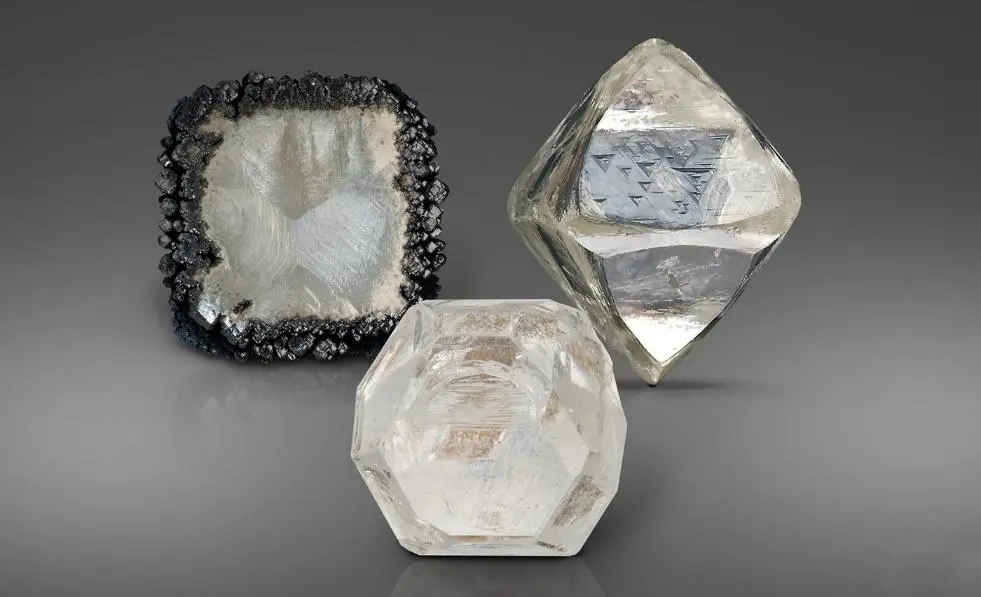
Natural diamonds formed billions of years ago deep within the Earth’s mantle under extreme heat and pressure. Volcanic activity later brought them to the surface, where they await mining. The most common crystal habits for natural diamonds are octahedrons, dodecahedrons, and a combination of both.
natural-diamond-vs-lab-grown-diamond——Two Methods for Creating Lab-Grown Diamonds
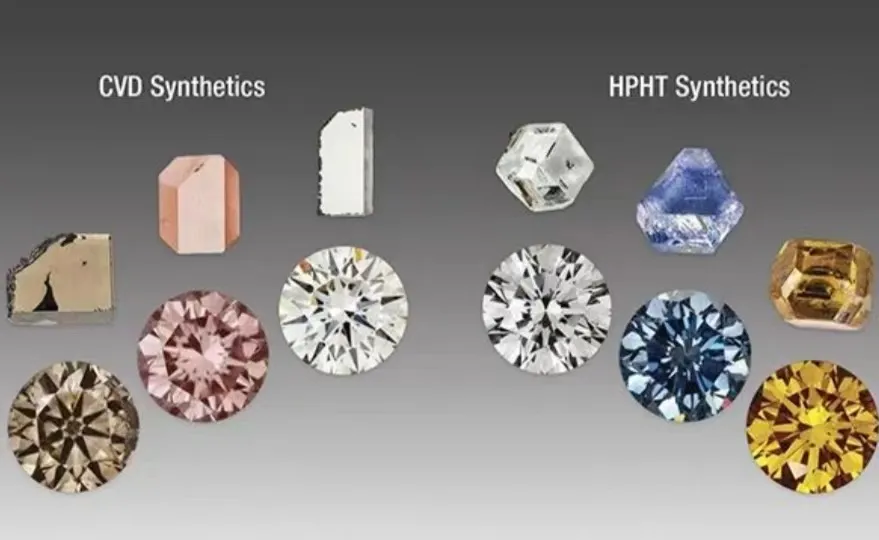
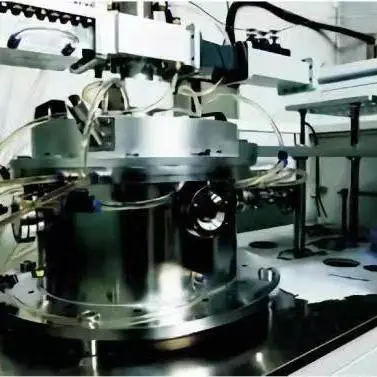
The primary methods for producing lab-grown diamonds are the High-Pressure, High-Temperature (HPHT) process and Chemical Vapor Deposition (CVD). We have previously published an article titled “HPHT Lab-Grown Diamond Production Process” on this site; feel free to click here to read it if you’re interested.
An Introduction to the High-Temperature, High-Pressure Method for Manufacturing Synthetic Diamonds

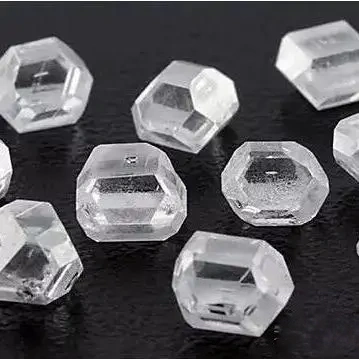
The HPHT Method: This process replicates the extreme conditions found deep within the Earth. Graphite is dissolved into carbon atoms under intense heat and pressure, and a metal catalyst is used to help form the diamond crystal. HPHT diamonds typically grow into well-formed cuboctahedron shapes.
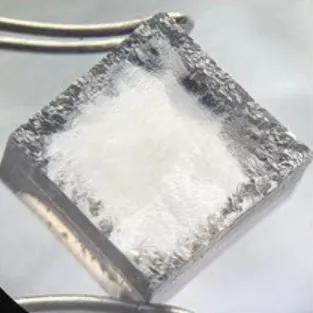
The CVD Method: This technique places a diamond seed inside a vacuum chamber filled with carbon-rich gas (like methane). The gas is broken down into carbon and hydrogen atoms, and the carbon atoms deposit onto the diamond seed layer by layer. CVD diamonds typically grow in flat, plate-like shapes.
Natural diamond vs lab-grown diamond——Differences in internal structures
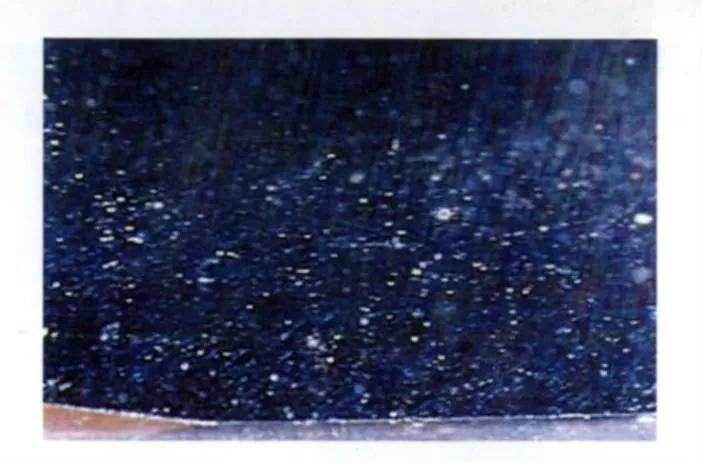
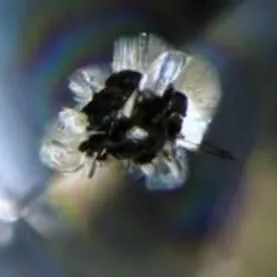
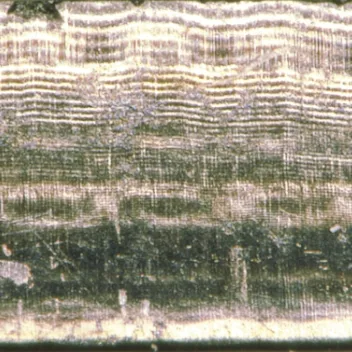
Due to their vastly different growth environments, you can tell the difference by analyzing lab-created diamond inclusions versus natural ones.
Natural Diamond Inclusions: Natural diamonds often contain natural mineral inclusions trapped during formation, such as diamond negative crystals, graphite, olivine, and garnet
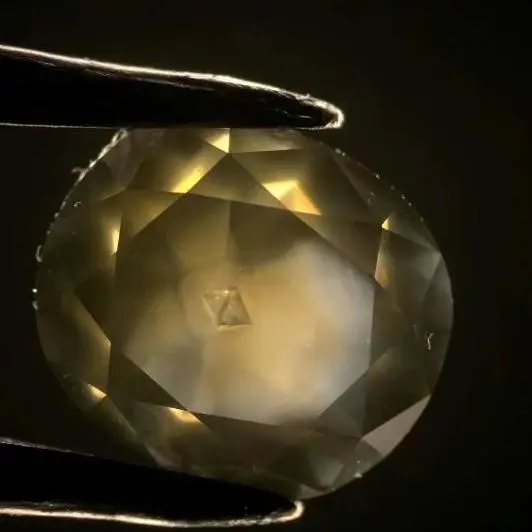
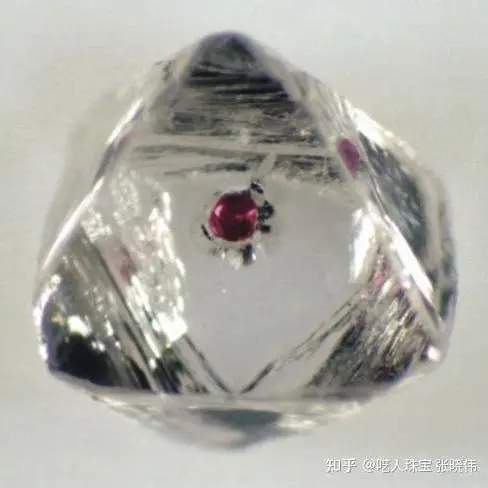
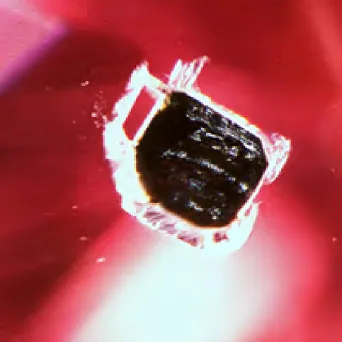
HPHT Diamond Inclusions: HPHT diamonds frequently contain metallic inclusions from the molten metal catalyst. Under reflected light, these inclusions exhibit a distinct metallic luster.
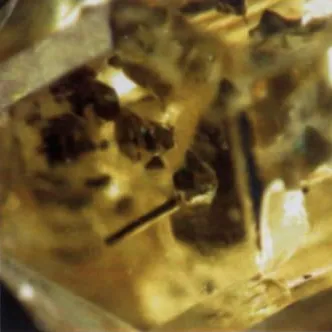
CVD Diamond Inclusions: CVD diamonds typically display irregular dark inclusions, pinpoint inclusions, and sub-surface parallel growth layers.
Natural diamond vs lab-grown diamond——Specialized Instrument Testing
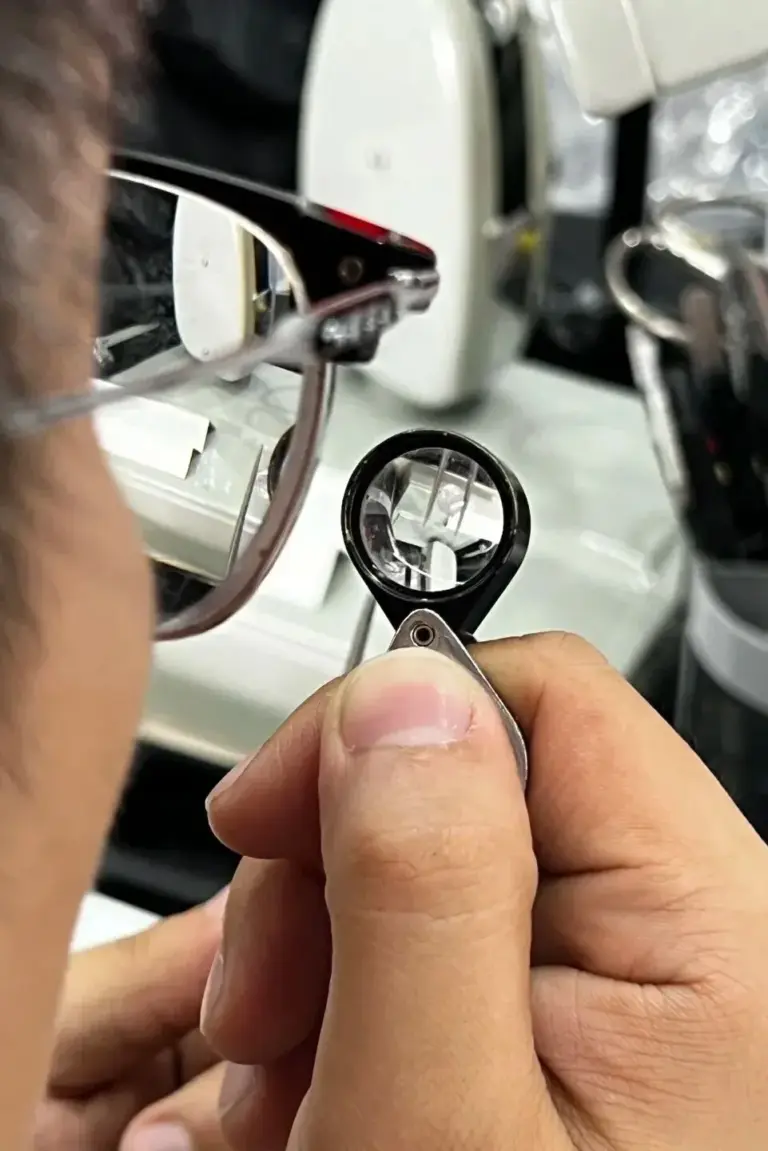
Specialized instruments are required to definitively resolve the lab-grown diamond vs natural diamond puzzle. Tools like DiamondSure and DiamondView are widely used in gemological labs, alongside cathode luminescence and absorption spectroscopy.
DiamondSure: If the machine displays “Pass,” it is a natural diamond. A “Refer for further tests” result means the stone requires advanced screening.

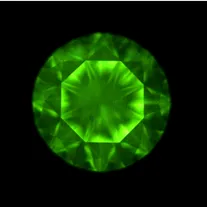
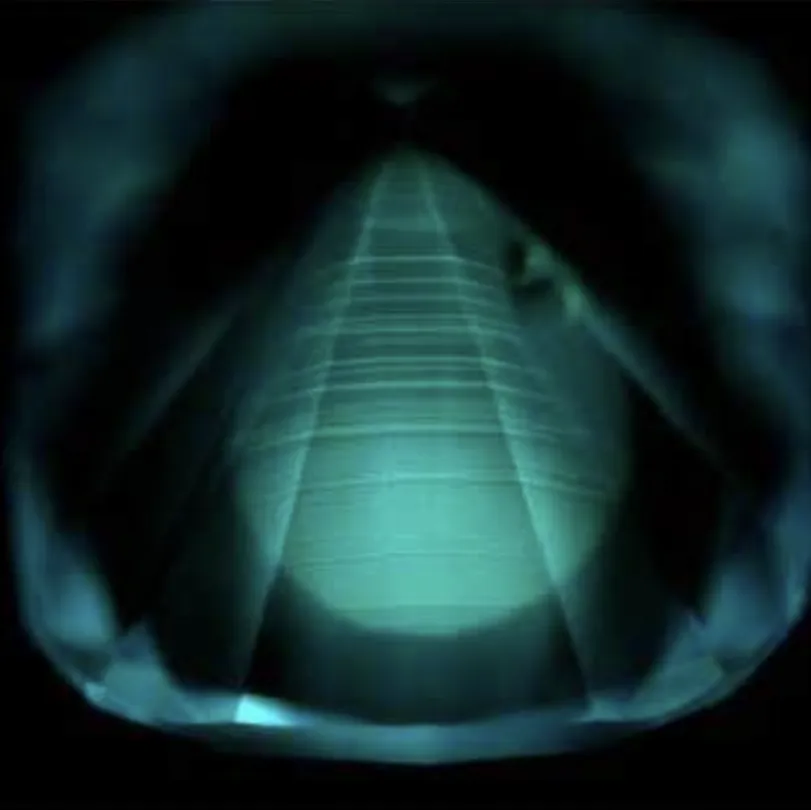
DiamondView: This device uses short-wave ultraviolet (UV) fluorescence to analyze the growth patterns on the diamond’s surface.
Natural diamonds display an octahedral growth pattern under DiamondView.
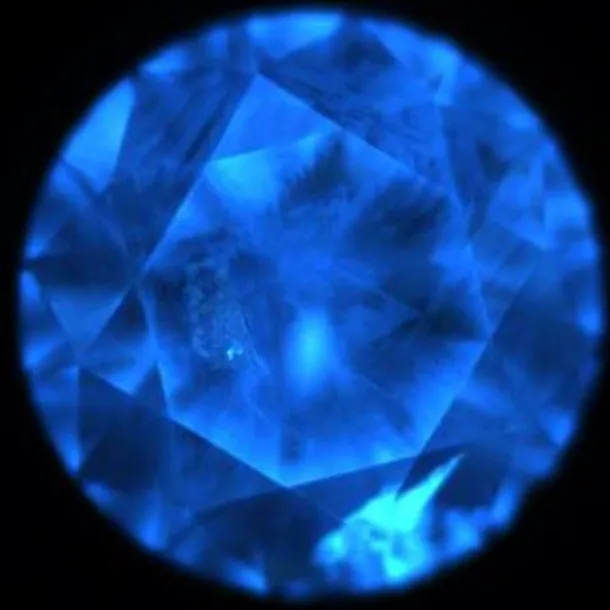
HPHT diamonds show a distinctive cuboctahedral fluorescence with geometric growth sectors.
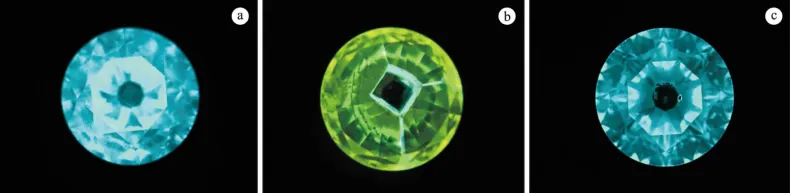
CVD diamonds often exhibit a strong orange-to-red fluorescence with curved growth layers.
Natural diamond vs lab-grown diamond-Discrepancies in Certificate Findings
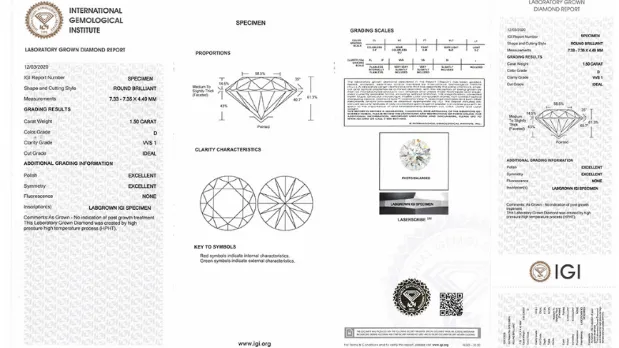
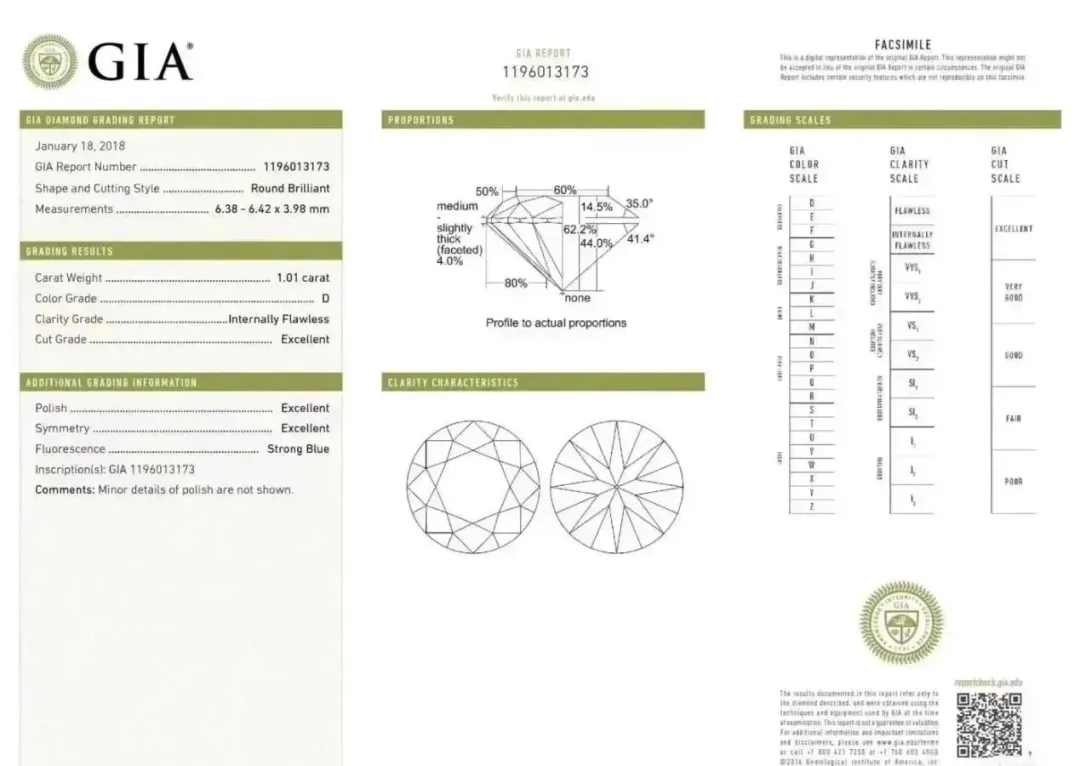
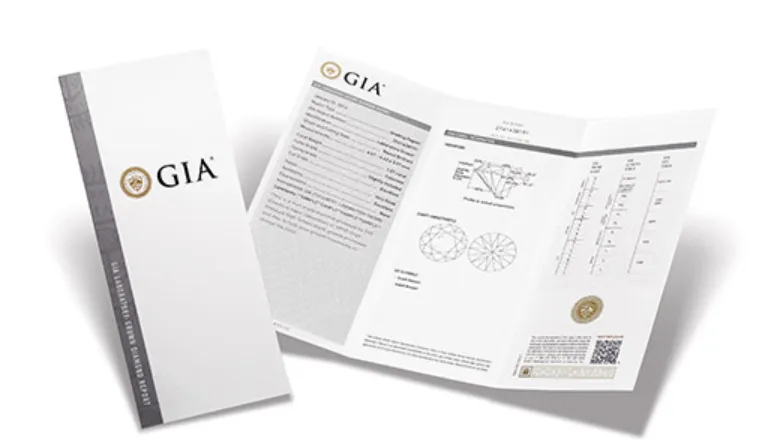
To accommodate the booming market, authoritative gemological institutes worldwide—such as IGI, GIA, and NGTC—now issue dedicated grading reports for lab-created stones.
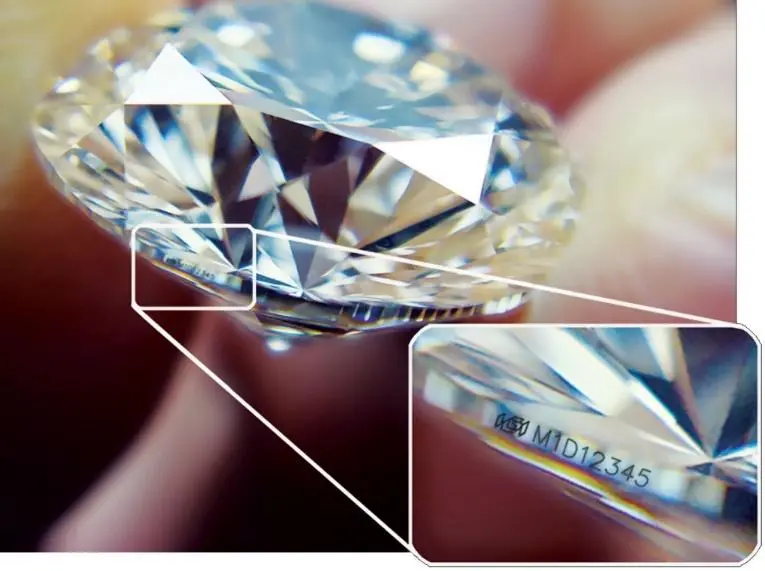
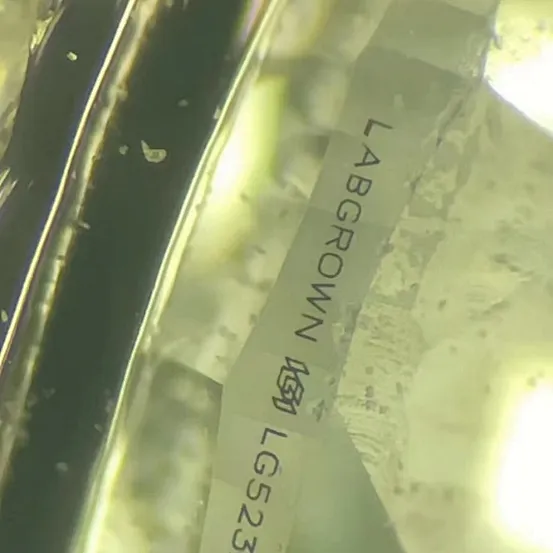
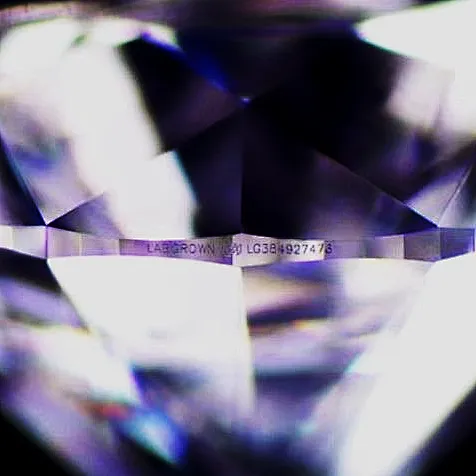
IGI (International Gemological Institute): As a pioneer in grading lab-grown stones, IGI reports explicitly state the result as a “Laboratory Grown Diamond.” The laser inscription on the diamond’s girdle will include the prefix “LABGROWN.”
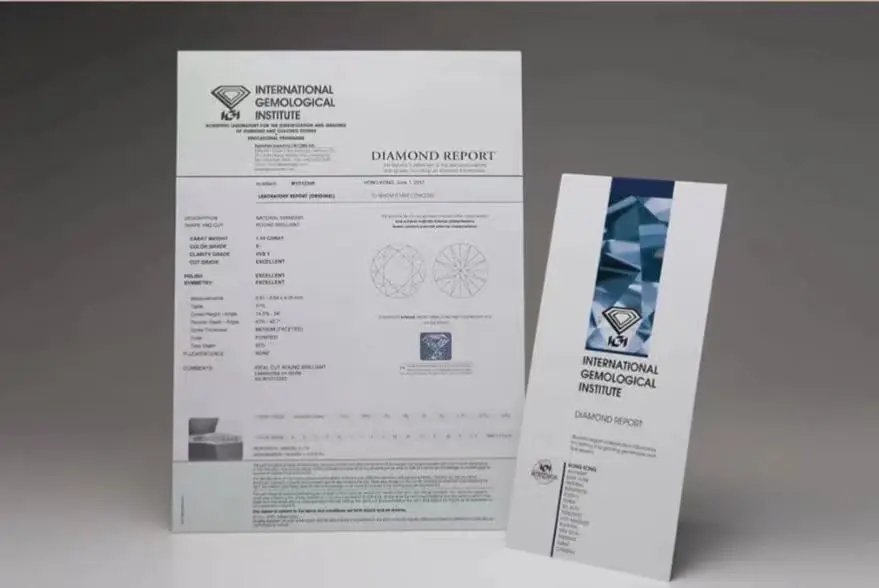

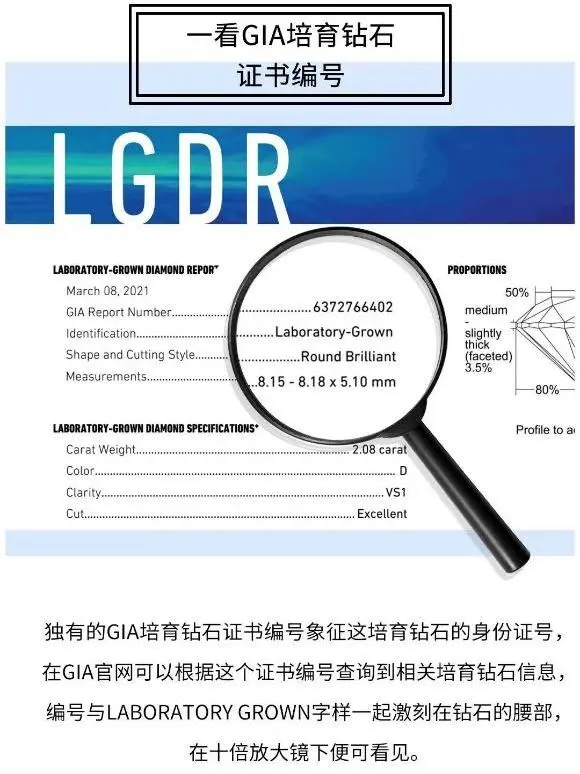
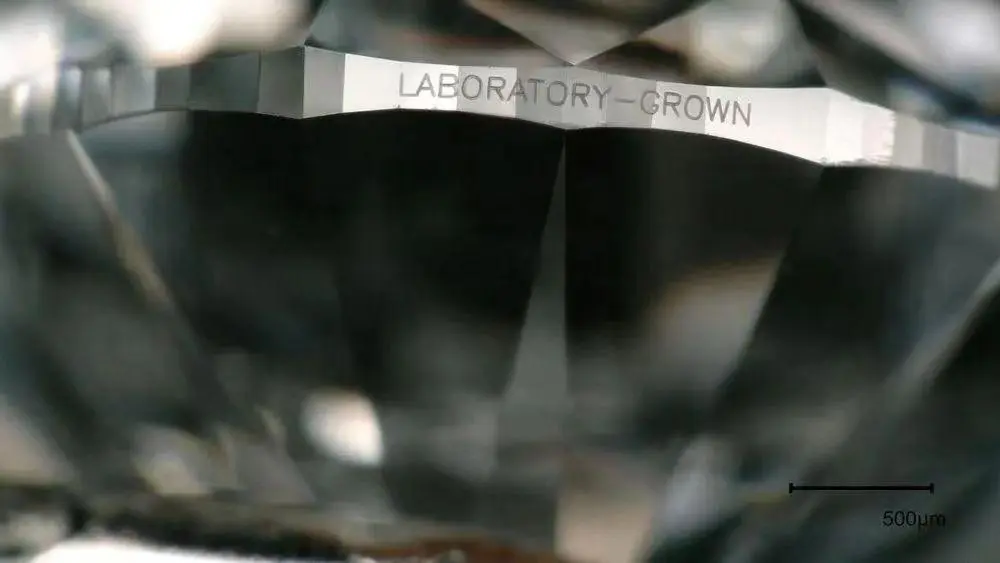
GIA (Gemological Institute of America): As the world’s most trusted grading authority, GIA launched its digital-first lab-grown reports in December 2020. The inscription on the girdle will clearly read “Laboratory-Grown” alongside its report number.

Conclusion
When evaluating a natural diamond vs lab-grown diamond, both have their unique appeal, though their origins and market values differ significantly. Today, younger consumers are increasingly embracing lab-grown diamonds for their blend of technology and creativity, which injects fresh innovation and vitality into modern jewelry design.