Is It Worth Buying a Lab-Grown Diamond? An Honest Guide to Saving Money
Whether is it worth buying a lab-grown diamond ultimately comes down to your personal perspective and lifestyle. If you fully accept how these stones are made and your goal is simply to get the largest, most brilliant diamond possible for the least amount of money, then a lab-grown diamond is absolutely worth buying.
The Reality Check: What Are They, Exactly?
Technically speaking, lab-grown diamonds are synthetic diamonds. However, the jewelry industry prefers the term “lab-grown” or “cultured.” Let’s be honest: calling them “synthetic” makes some shoppers feel like they are getting a fake product. In the minds of most consumers, a gemstone is only “real” if it is mined from the earth, and anything man-made is labeled “fake.” Using the term “lab-grown” is just a subtler, more appealing way to describe the technology.
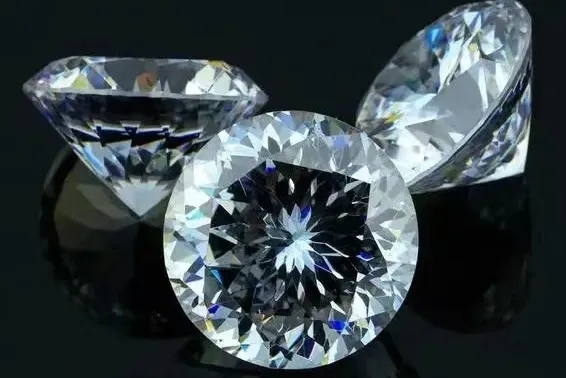
In reality, lab-grown diamonds share the exact same physical, chemical, and optical properties as natural diamonds. The only difference is that scientists create them. Their crystal structure, fire, and hardness are identical to mined diamonds. They look exactly the same to the naked eye.
In fact, they can only be told apart using specialized laboratory equipment—such as a DiamondView machine to check growth patterns, a UV-Visible spectrometer to analyze absorption lines, or an infrared spectrometer to detect microscopic trace elements. Because these differences only exist at a microscopic level, a lab-grown diamond offers the exact same visual effect when worn.
How Are Synthetic Diamonds Grown?
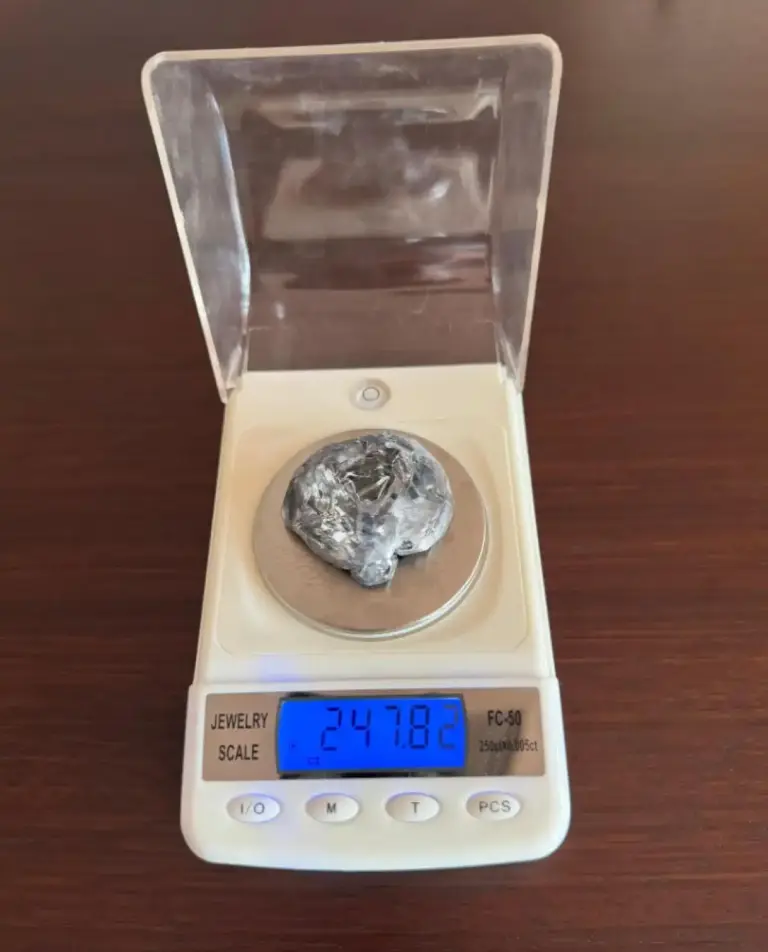
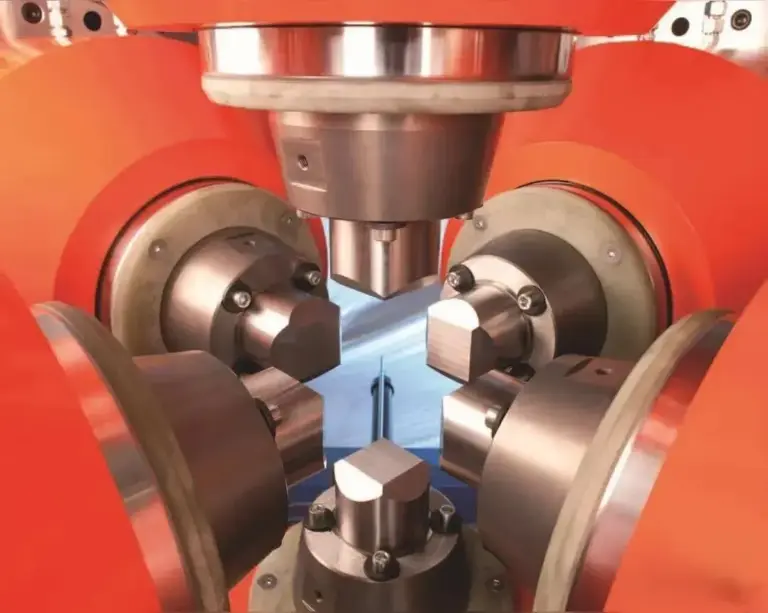
To put it simply, laboratory equipment replicates the extreme conditions found deep within the Earth, forcing carbon molecules into a diamond crystal structure in a fraction of the time. Today, growing a rough diamond that yields a polished 1-carat stone takes only about 15 days. In contrast, a high-quality natural diamond can take thousands or even millions of years to form. Because top-tier natural diamonds are extremely scarce globally, turning to technology makes perfect sense.
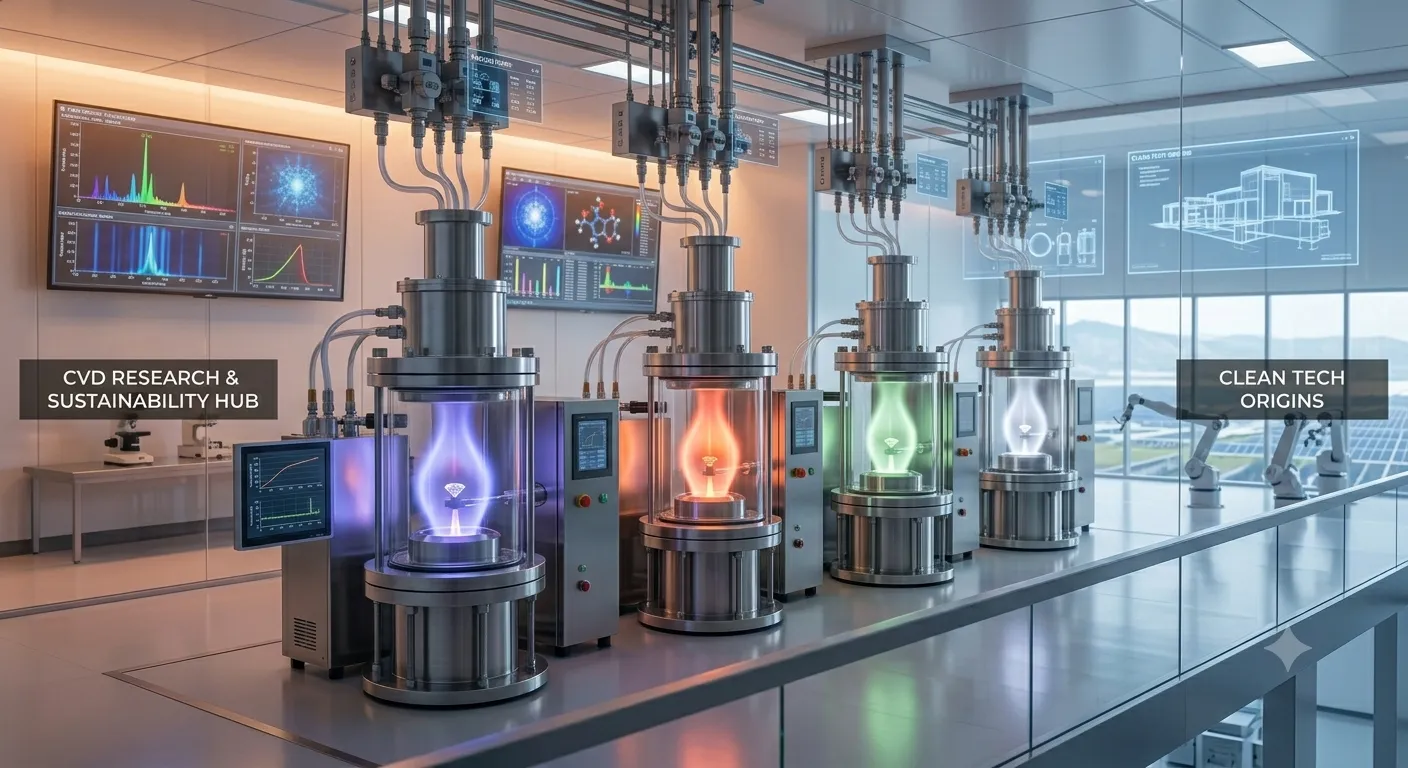
When researching whether it is worth buying a lab-grown diamond, you will run into two main manufacturing methods:
- HPHT (High Pressure High Temperature): This method produces a cubical or granular growth structure and is highly efficient for growing larger carat weights.
- CVD (Chemical Vapor Deposition): This process creates a tabular, plate-like growth structure and is frequently used for stones under 2 carats.
From a consumer standpoint, neither method is inherently “better” than the other; both have minor pros and cons but yield a virtually identical product. In the wholesale market, their prices are exactly the same. There is no need to stress over the creation method—simply look at the IGI grading certificate to verify the stone’s final quality.
A Note on Post-Growth Color Treatments
Some synthetic stones undergo secondary treatments (like heat processing) after they are grown to improve their color grade.
This will always be noted in the comments section of an IGI certificate. Some retailers use this to create consumer anxiety, claiming that “treated” lab diamonds are inferior. This is just marketing noise. Since these are all manufactured stones anyway, you shouldn’t worry about post-growth treatments.
Treatment is just an optimization process that elevates the diamond’s clarity and color, making it look even more dazzling on your finger.
The Price Difference: Natural vs. Lab-Grown
Because lab diamonds can be mass-produced in factories rather than extracted from expensive, dwindling mines, they completely lack the rarity factor of natural stones. Consequently, they are drastically cheaper.
If you are working with a set budget, choosing a cultured stone allows you to get a much larger diamond for a fraction of the price. The thousands of dollars you save can be pocketed and spent on travel, a down payment, or any other important area of your life. This unparalleled cost-efficiency is the primary reason so many modern couples choose them.
What Is the Sweet Spot for Carat Size?
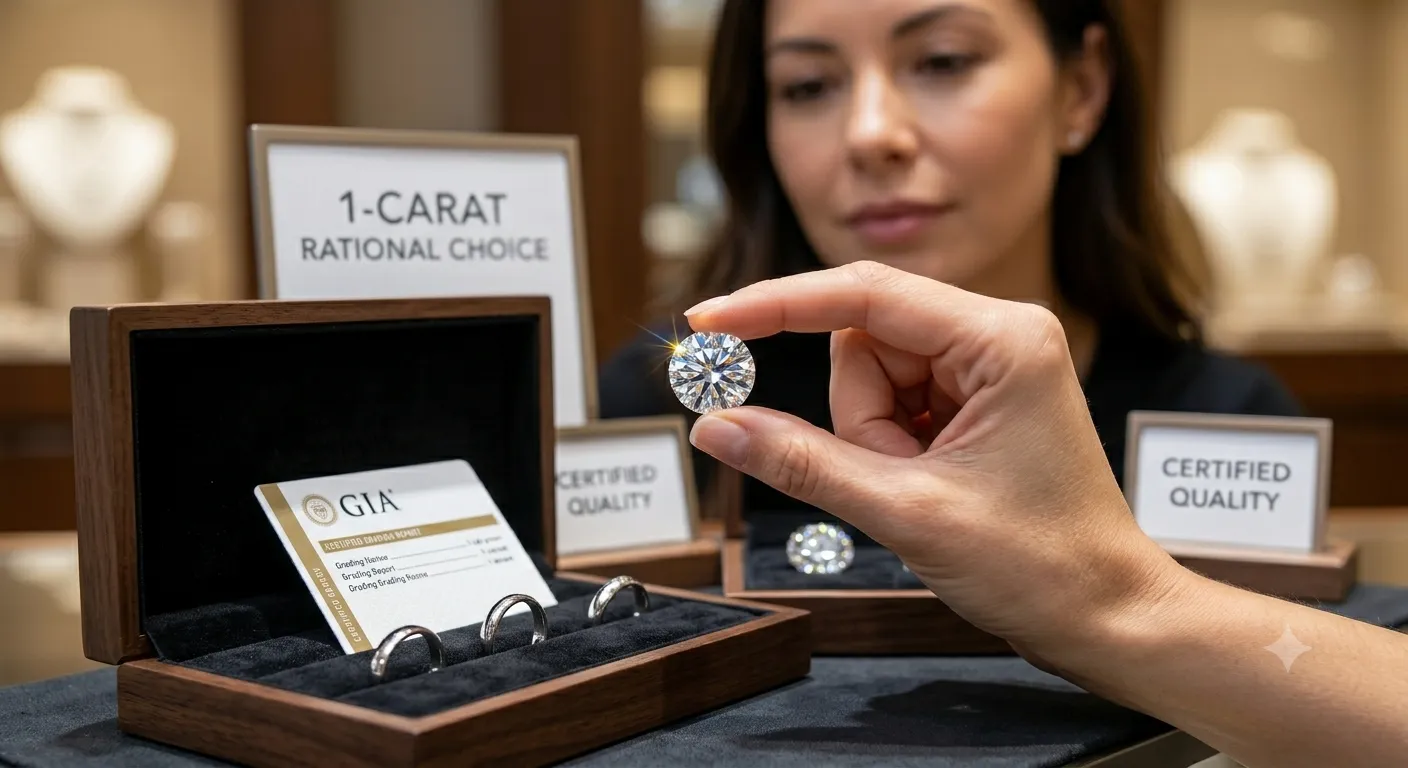
Even when considering is it worth buying a lab-grown diamond, it is generally best not to overdo the size. Buying a stone between 0.50 and 1.50 carats is usually the sweet spot.
If you wear a massive, multi-carat diamond, it can look overly flashy, and people might automatically assume it is fake—even though it is chemically a real gemstone. Furthermore, massive lab-grown diamonds still cost a significant chunk of money, which defeats the purpose of saving.
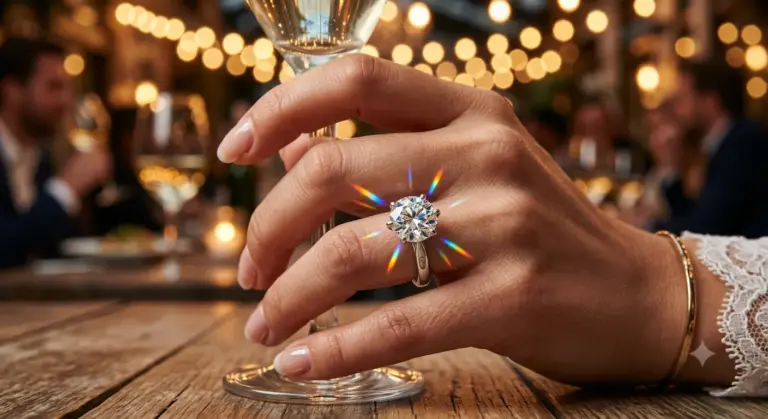
Sticking to a 0.50 to 1.50-carat custom ring ensures that nobody looking at it with the naked eye will ever be able to tell whether it came from a lab or a mine.
How to Avoid the “Brand Markup” Trap
Currently, the lab-grown diamond market is highly fragmented, with major inventory concentrated among smaller independent custom jewellers. In the US and Asian markets, a few specialized boutique brands have emerged, but their retail prices are far from cheap.
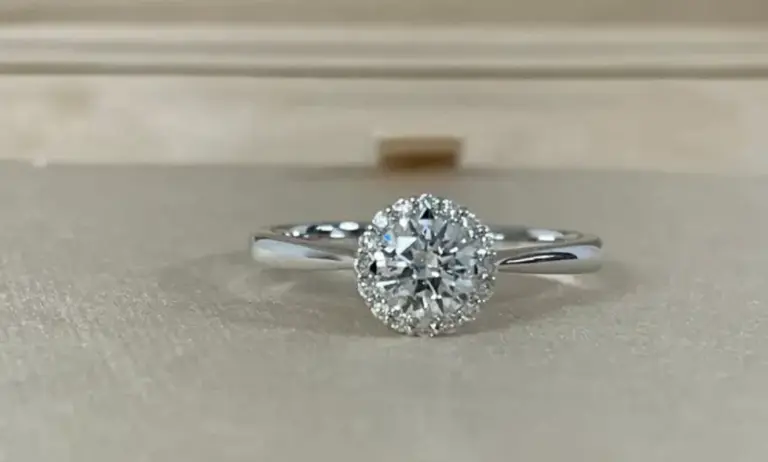
For instance, a 1-carat lab diamond ring at a trendy retail brand can easily cost $2,000 to $2,500. Just like traditional jewelry, whenever a brand name is attached, you are paying a massive premium for marketing and overhead.
If your goal is to save money, your strategy should be simple: look for the absolute lowest price for a certified stone. The most cost-effective route is to bypass traditional retail stores entirely and work directly with an upstream wholesale custom jeweler.
If you are interested in sourcing a high-quality, fully certified stone at true wholesale pricing, feel free to drop a comment below or reach out via our “About Us” page. Without a direct connection to the wholesale supply chain, it is very difficult to find top-tier quality at a bottom-tier price.
Final Verdict: Is It Really Worth It?
So, let’s return to the ultimate question: is it worth buying a lab-grown diamond?
If you view jewelry practically and value science over tradition, it is absolutely worth it. You get to enjoy a massive, stunning diamond without the financial stress.
However, if you are buying an engagement ring to propose, there is one critical caveat: you must know how your partner feels about it.
Some women simply cannot accept a lab-grown stone for a marriage proposal; they value the traditional romance and rarity of a natural, earth-mined gem.
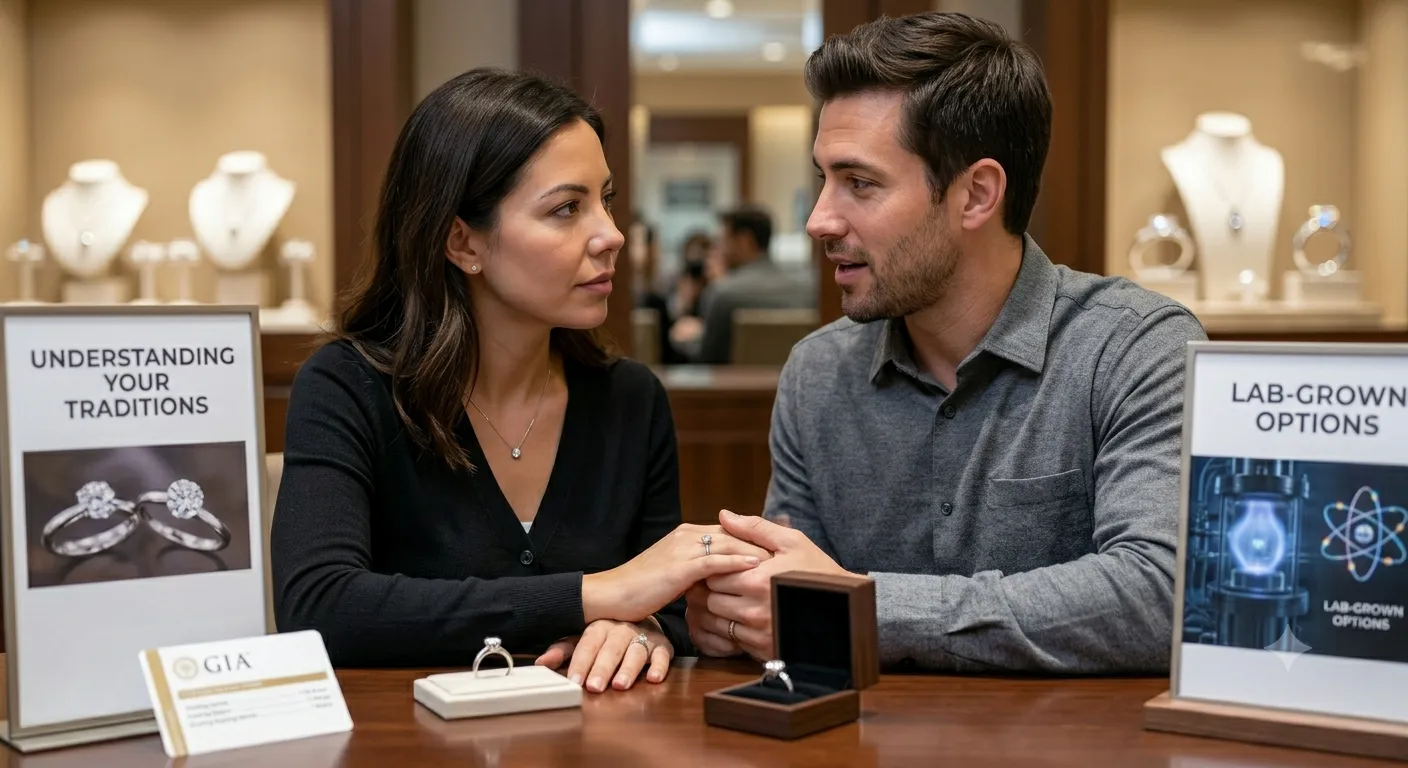
If your partner isn’t familiar with how lab stones work, feel free to share this guide with her. Once both of you are on the same page and agree on the budget, you can make a confident decision together. For the everyday household, saving that money is an incredibly smart financial move.